What does Psalms 130:6 mean?
"My soul waiteth for the Lord more than they that watch for the morning: I say, more than they that watch for the morning." - Psalms 130:6
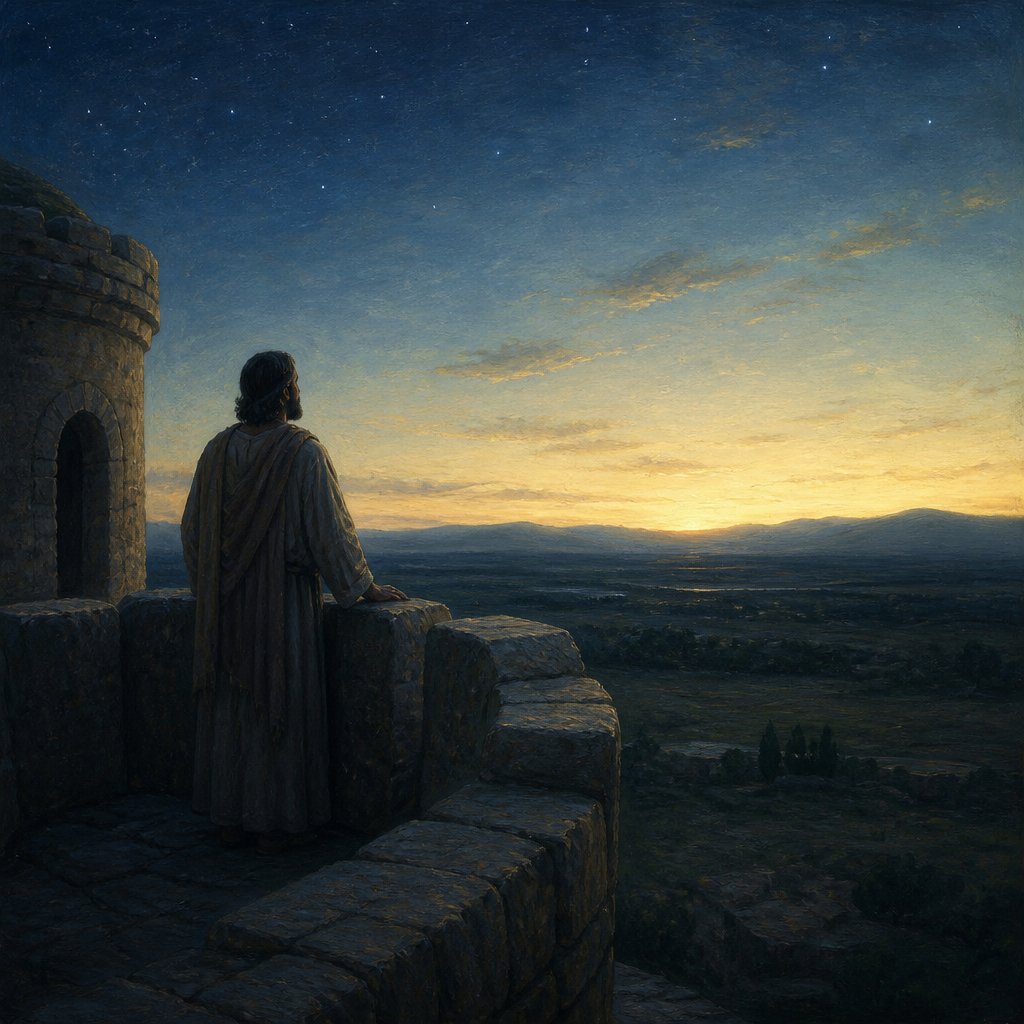
The verse Psalms 130:6 from the King James Version states: "My soul waiteth for the Lord more than they that watch for the morning: I say, more than they that watch for the morning." This verse is part of a larger psalm that is an expression of trust and hope in God's forgiveness and redemption. It is a powerful expression of longing and anticipation for the fulfillment of God's promises, particularly in times of distress and despair. In order to fully understand the meaning and significance of this verse, it is important to consider its context within the broader themes of the Book of Psalms and the historical and cultural context of the time in which it was written.
The Book of Psalms is a collection of 150 lyrical poems and prayers that are attributed to various authors, including King David and other unknown poets. The psalms cover a wide range of human experiences and emotions, including praise, thanksgiving, lament, and petition. They are often deeply personal and intimate expressions of the psalmist's relationship with God, reflecting their struggles, doubts, and ultimate trust in God's faithfulness.
Psalms 130 is one of the seven penitential psalms, which are prayers for forgiveness and deliverance from sin. The entire psalm is a cry for mercy and redemption, expressing the psalmist's desperation and hope in God's unfailing love and forgiveness. The verse in question, Psalms 130:6, is a vivid image of longing and anticipation for God's intervention and salvation. The psalmist's soul is depicted as waiting with an intensity that surpasses even the anticipation of the morning, suggesting a profound yearning for the dawn of God's deliverance.
The metaphor of waiting for the morning is a powerful and universal image that conveys the idea of hope and expectation. In the ancient world, the dawn symbolized renewal, enlightenment, and the end of darkness and despair. It was a time of new beginnings and the promise of a new day. By using this metaphor, the psalmist is expressing the depth of their longing for the fulfillment of God's promises and the dawning of a new hope in their life.
The verse also touches on the theme of patience and perseverance in the face of adversity. The psalmist's soul is depicted as actively waiting for the Lord, indicating a deliberate and steadfast commitment to trusting in God's timing and faithfulness. This theme resonates with the broader biblical message of endurance and faith in God's promises, even in the midst of trials and tribulations.
Furthermore, the verse speaks to the universal human experience of longing for divine intervention and redemption. It reflects the innate human desire for meaning, purpose, and deliverance from suffering. The psalmist's intense yearning for the Lord's presence and salvation resonates with people from all walks of life who seek hope and assurance in the midst of uncertainty and despair.
In addition to its thematic significance, Psalms 130:6 also contains symbolic and allegorical meaning. The waiting for the morning can be seen as a metaphor for the journey of faith and the eventual realization of God's redemptive plan. The morning represents the fulfillment of God's promises and the triumph of light over darkness, pointing to the ultimate hope of salvation and restoration in the Christian faith.
In conclusion, Psalms 130:6 from the King James Version is a profound expression of trust, hope, and longing for God's mercy and redemption. It encapsulates the human experience of waiting for divine intervention and the ultimate fulfillment of God's promises. Its themes of patience, perseverance, and the universal yearning for hope and salvation resonate with people of faith throughout history. The verse's rich imagery and symbolism make it a powerful and timeless expression of the human longing for God's presence and deliverance.
Have questions about Psalms 130:6?
Dive deeper into this scripture with Bible Chat — an AI-powered tool for exploring God's Word through conversation. Ask questions, get context, and grow in your understanding of the Bible.
Get Our Apps


Psalms 130:6 Artwork

Psalms 130:6 - "My soul waiteth for the Lord more than they that watch for the morning: I say, more than they that watch for the morning."
"My soul waiteth for the Lord more than they that watch for the morning: I say, more than they that watch for the morning." - Psalms 130:6

Psalms 130:4 - "But there is forgiveness with thee, that thou mayest be feared."

Psalms 130:7 - "Let Israel hope in the LORD: for with the LORD there is mercy, and with him is plenteous redemption."

"The entrance of thy words giveth light; it giveth understanding unto the simple." - Psalms 119:130

"And he shall redeem Israel from all his iniquities." - Psalms 130:8

Psalms 130:2 - "Lord, hear my voice: let thine ears be attentive to the voice of my supplications."
"But there is forgiveness with thee, that thou mayest be feared." - Psalms 130:4

Psalms 130:8 - "And he shall redeem Israel from all his iniquities."

"Let Israel hope in the LORD: for with the LORD there is mercy, and with him is plenteous redemption." - Psalms 130:7

Psalms 119:130 - "The entrance of thy words giveth light; it giveth understanding unto the simple."

Psalms 130:1 - "Out of the depths have I cried unto thee, O LORD."

Psalms 130:3 - "If thou, LORD, shouldest mark iniquities, O Lord, who shall stand?"
!["I wait for the LORD, my soul doth wait, and in his word do I hope.
My soul [waiteth] for the Lord more than they that watch for the morning: [I say, more than] they that watch for the morning." - Psalm 130:5-6](https://media.bible.art/b7fb09c9-fbf4-4f06-8674-abf8e7c80f8c-thumbnail.jpg)
"I wait for the LORD, my soul doth wait, and in his word do I hope. My soul [waiteth] for the Lord more than they that watch for the morning: [I say, more than] they that watch for the morning." - Psalm 130:5-6

Psalms 130:5 - "I wait for the LORD, my soul doth wait, and in his word do I hope."
"I wait for the LORD, my soul doth wait, and in his word do I hope." - Psalms 130:5
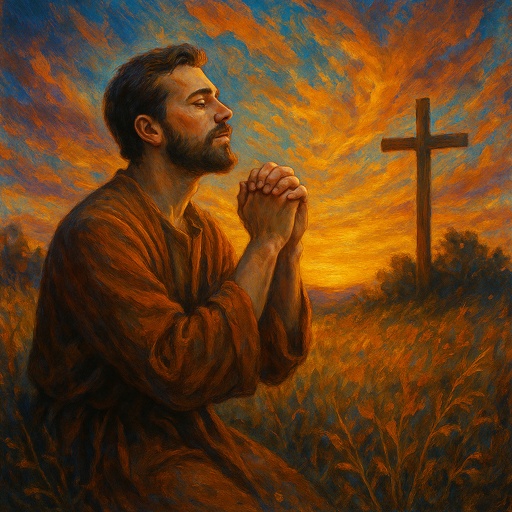
"I wait for the LORD, my soul doth wait, and in his word do I hope." - Psalms 130:5
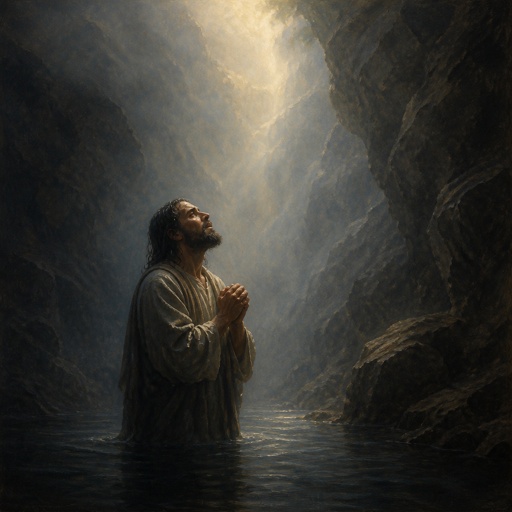
"Out of the depths have I cried unto thee, O LORD." - Psalms 130:1
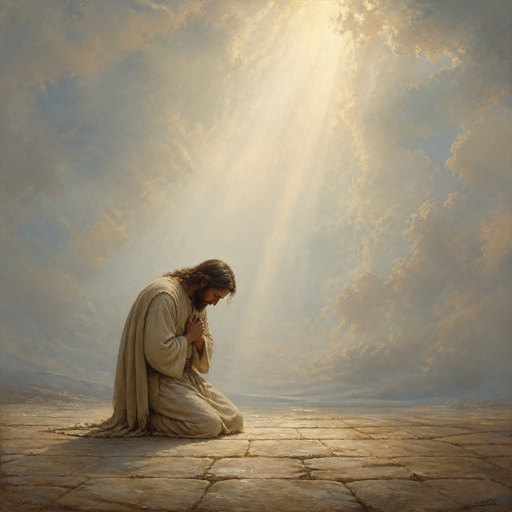
"If thou, LORD, shouldest mark iniquities, O Lord, who shall stand?" - Psalms 130:3
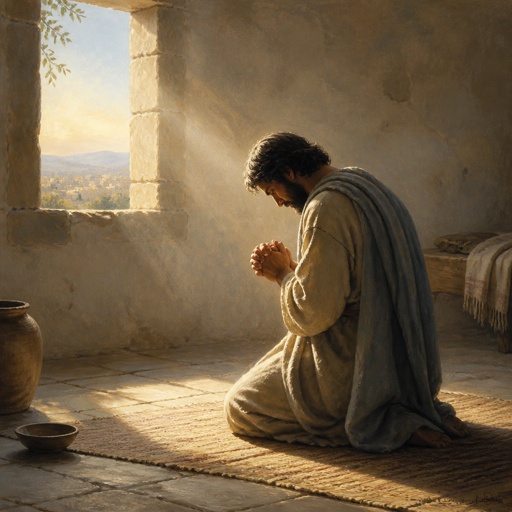
"Lord, hear my voice: let thine ears be attentive to the voice of my supplications." - Psalms 130:2

Psalms 126:6
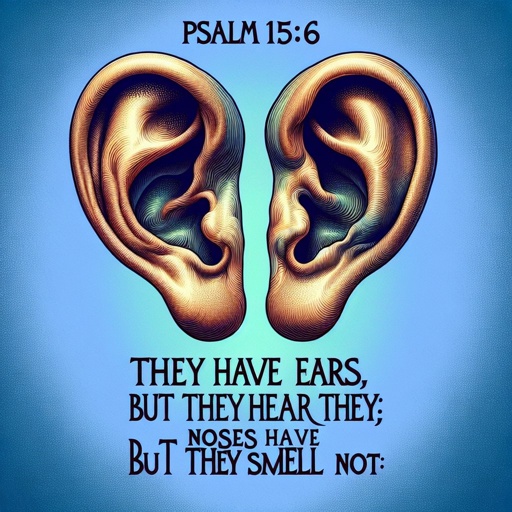
Psalms 115:6 - "They have ears, but they hear not: noses have they, but they smell not:"

Psalms 30:6 - "And in my prosperity I said, I shall never be moved."

Psalms 129:6 - "Let them be as the grass upon the housetops, which withereth afore it groweth up:"

Psalms 144:6 - "Cast forth lightning, and scatter them: shoot out thine arrows, and destroy them."
!["I wait for the LORD, my soul doth wait, and in his word do I hope.
My soul [waiteth] for the Lord more than they that watch for the morning: [I say, more than] they that watch for the morning." - Psalms 130:5-6](https://media.bible.art/76772fbb-8cd9-4d0e-9d2e-aedc6849d7b1-thumbnail.jpg)
"I wait for the LORD, my soul doth wait, and in his word do I hope. My soul [waiteth] for the Lord more than they that watch for the morning: [I say, more than] they that watch for the morning." - Psalms 130:5-6

Psalms 74:6 - "But now they break down the carved work thereof at once with axes and hammers."

Psalms 6:6

Psalms 80:6 - "Thou makest us a strife unto our neighbours: and our enemies laugh among themselves."

Psalms 114:6 - "Ye mountains, that ye skipped like rams; and ye little hills, like lambs?"