What does Psalms 130:5 mean?
"I wait for the LORD, my soul doth wait, and in his word do I hope." - Psalms 130:5

“I wait for the LORD, my soul doth wait, and in his word do I hope.” (Psalm 130:5, KJV)
Psalm 130 is one of the “songs of degrees,” a pilgrim psalm shaped like a movement from desperate need to settled confidence. It begins “out of the depths,” with the psalmist crying to God for mercy, acknowledging that if the LORD were to “mark iniquities” none could stand, yet confessing that “there is forgiveness” with Him. By the time the psalm reaches verse 5, the cry from the depths has not vanished, but it has been transformed. The speaker is no longer merely pleading for rescue; he is choosing a posture before God. Psalm 130:5 is the hinge where penitence becomes patient faith and where confession becomes expectation.
The first theme is waiting, not as passivity but as a disciplined, reverent persistence. “I wait for the LORD” places the object of expectation squarely on a Person, not on a change of circumstance. The psalmist is not simply waiting for relief, clarity, or vindication; he is waiting for the LORD Himself, for His coming help, His response, His presence, His saving action. In Scripture, waiting for the LORD often carries the sense of confident dependence, the refusal to seize control through sinful shortcuts, and the willingness to let God’s timing be God’s timing. This verse presents waiting as worship: a conscious act of trust offered to the covenant God.
The verse deepens that idea by repeating it and moving it inward: “my soul doth wait.” The emphasis shifts from an outward stance to an inward reality. The “soul” in KJV language gathers the whole inner person—desire, fear, conscience, and hope. This is not superficial optimism or mere words in a crisis. The psalmist describes an inner anchoring: his very self is set to wait. In the context of the psalm’s earlier admissions of sin and need for forgiveness, “my soul doth wait” also implies that the deepest unrest of guilt and distance from God can only be healed by God. The soul that has felt “the depths” learns to rest, not because the depths are pleasant, but because the LORD is faithful.
Then the verse supplies the ground of that waiting: “and in his word do I hope.” The psalmist’s hope is not self-generated; it is tethered to revelation. “His word” is the reliable speech of God—what God has said about His character, His mercy, His forgiveness, His covenant faithfulness. This matters because the psalm is dealing with guilt and the fear of divine judgment. If a person looks only inward at sin, the result is despair; if a person looks only outward at circumstances, the result is instability. The psalmist looks to God’s “word,” meaning he lets God define reality, especially the reality of forgiveness and steadfast mercy. Hope here is not wishfulness; it is expectation built on the trustworthiness of God’s declared promises.
There is also symbolism woven into the verse through the larger psalm. The psalm begins in “depths,” imagery that suggests drowning, chaos, or the pit—an emotional and spiritual place where human strength cannot reach the bottom. Waiting for the LORD in that setting is like fixing one’s eyes toward the shore while still in the water. The “word” becomes a lifeline: not an abstract text but a spoken certainty that God forgives and redeems. Later verses compare this waiting to watchmen waiting for the morning, reinforcing the picture that darkness does not have the last word. Morning is not made by the watchman; it comes because God has ordained time and light. In the same way, forgiveness and deliverance do not originate in the sinner; they come from the LORD who speaks mercy.
Psalm 130:5 is significant because it defines how faith responds when sin has been faced honestly. It does not deny the seriousness of iniquity; it has already confessed it. It does not presume upon forgiveness casually; it seeks it with humility. Yet it refuses to remain in despair, because it believes God’s own testimony about Himself. The verse shows a spiritual rhythm: repentance leads to waiting, and waiting is sustained by hope grounded in God’s word. It is the voice of a soul that has learned that God’s mercy is not earned by frantic effort but received through trusting endurance. In the KJV’s simple cadence, the verse teaches that the safest place for an awakened conscience is not in self-punishment or self-justification, but in patient dependence upon the LORD, clinging to what He has spoken.
Have questions about Psalms 130:5?
Dive deeper into this scripture with Bible Chat — an AI-powered tool for exploring God's Word through conversation. Ask questions, get context, and grow in your understanding of the Bible.
Get Our Apps


Psalms 130:5 Artwork

Psalms 130:5 - "I wait for the LORD, my soul doth wait, and in his word do I hope."

"I wait for the LORD, my soul doth wait, and in his word do I hope." - Psalms 130:5
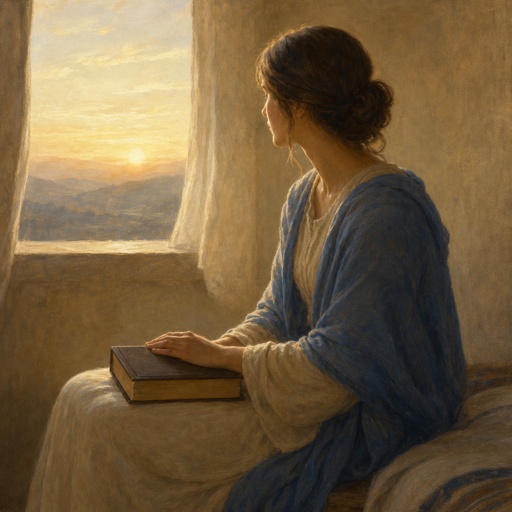
"I wait for the LORD, my soul doth wait, and in his word do I hope." - Psalms 130:5
!["I wait for the LORD, my soul doth wait, and in his word do I hope.
My soul [waiteth] for the Lord more than they that watch for the morning: [I say, more than] they that watch for the morning." - Psalms 130:5-6](https://media.bible.art/76772fbb-8cd9-4d0e-9d2e-aedc6849d7b1-thumbnail.jpg)
"I wait for the LORD, my soul doth wait, and in his word do I hope. My soul [waiteth] for the Lord more than they that watch for the morning: [I say, more than] they that watch for the morning." - Psalms 130:5-6

Psalms 130:6 - "My soul waiteth for the Lord more than they that watch for the morning: I say, more than they that watch for the morning."

Psalms 130:4 - "But there is forgiveness with thee, that thou mayest be feared."

Psalm 130:5-7, patience, watchful waiting

Psalms 130:7 - "Let Israel hope in the LORD: for with the LORD there is mercy, and with him is plenteous redemption."

"The entrance of thy words giveth light; it giveth understanding unto the simple." - Psalms 119:130

"And he shall redeem Israel from all his iniquities." - Psalms 130:8

Psalms 130:2 - "Lord, hear my voice: let thine ears be attentive to the voice of my supplications."
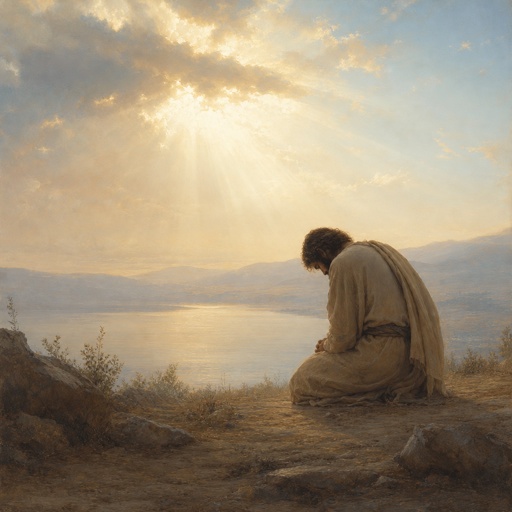
"But there is forgiveness with thee, that thou mayest be feared." - Psalms 130:4

Psalms 130:8 - "And he shall redeem Israel from all his iniquities."

"Let Israel hope in the LORD: for with the LORD there is mercy, and with him is plenteous redemption." - Psalms 130:7

Psalms 119:130 - "The entrance of thy words giveth light; it giveth understanding unto the simple."

Psalms 130:1 - "Out of the depths have I cried unto thee, O LORD."

Psalms 130:3 - "If thou, LORD, shouldest mark iniquities, O Lord, who shall stand?"
!["I wait for the LORD, my soul doth wait, and in his word do I hope.
My soul [waiteth] for the Lord more than they that watch for the morning: [I say, more than] they that watch for the morning." - Psalm 130:5-6](https://media.bible.art/b7fb09c9-fbf4-4f06-8674-abf8e7c80f8c-thumbnail.jpg)
"I wait for the LORD, my soul doth wait, and in his word do I hope. My soul [waiteth] for the Lord more than they that watch for the morning: [I say, more than] they that watch for the morning." - Psalm 130:5-6

"My soul waiteth for the Lord more than they that watch for the morning: I say, more than they that watch for the morning." - Psalms 130:6

Psalms 98:5 - "Sing unto the LORD with the harp; with the harp, and the voice of a psalm."
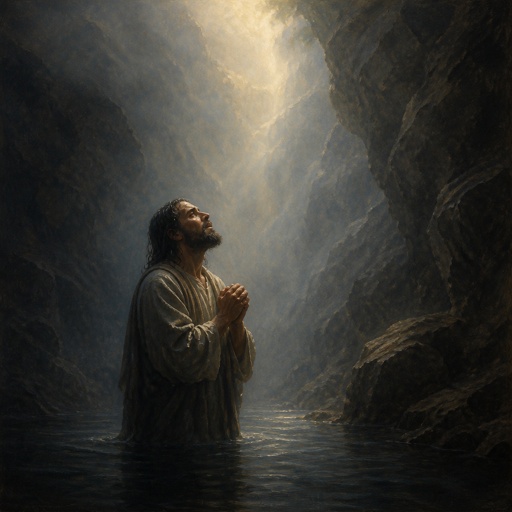
"Out of the depths have I cried unto thee, O LORD." - Psalms 130:1
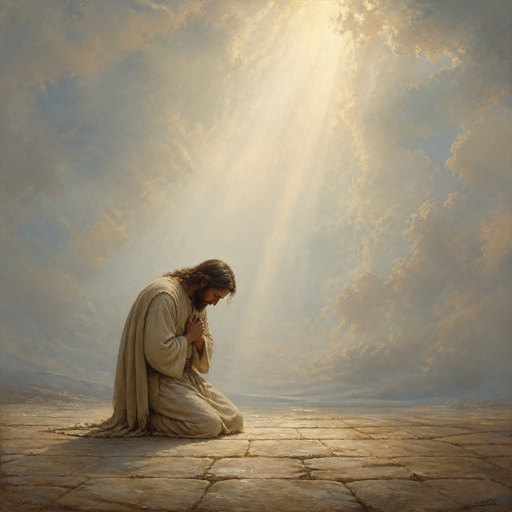
"If thou, LORD, shouldest mark iniquities, O Lord, who shall stand?" - Psalms 130:3
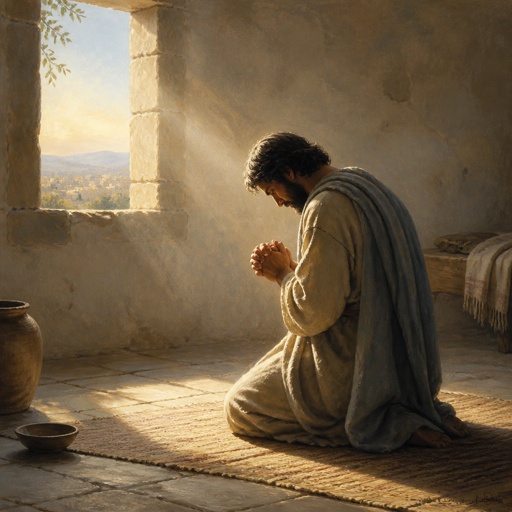
"Lord, hear my voice: let thine ears be attentive to the voice of my supplications." - Psalms 130:2

"Sing unto the LORD with the harp; with the harp, and the voice of a psalm." - Psalms 98:5

Psalms 98:5 - "Sing unto the LORD with the harp; with the harp, and the voice of a psalm."

Psalms 98:5 - "Sing unto the LORD with the harp; with the harp, and the voice of a psalm."

Psalms 98:5 - "Sing unto the LORD with the harp; with the harp, and the voice of a psalm."

Psalms 98:5 - "Sing unto the LORD with the harp; with the harp, and the voice of a psalm."

Psalms 98:5 - "Sing unto the LORD with the harp; with the harp, and the voice of a psalm."

Psalms 98:5 - "Sing unto the LORD with the harp; with the harp, and the voice of a psalm." Light pastel colors