What does Psalms 130:1 mean?
"Out of the depths have I cried unto thee, O LORD." - Psalms 130:1
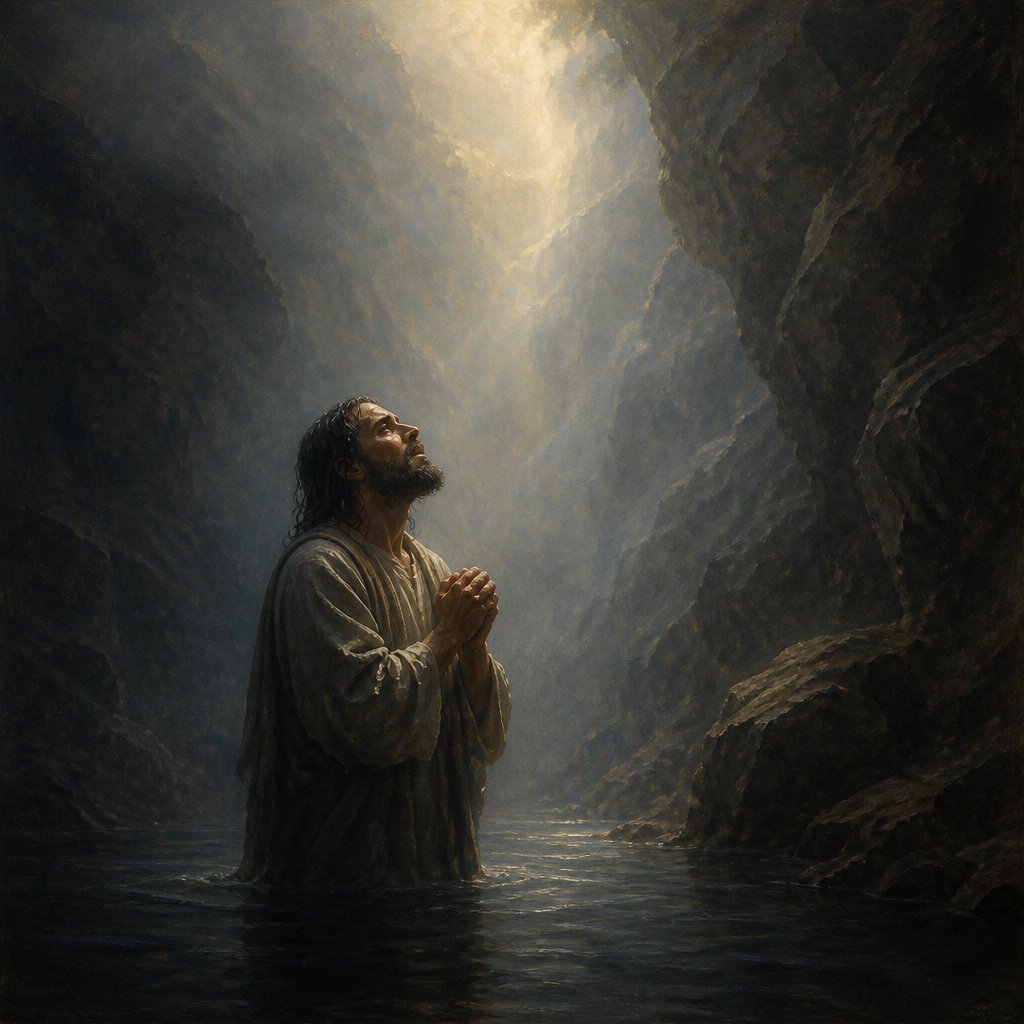
The Bible verse Psalm 130:1 in the King James Version (KJV) reads, "Out of the depths have I cried unto thee, O Lord." This verse is a poignant expression of the human experience of crying out to God from a place of deep distress and need.
The book of Psalms is a collection of ancient Hebrew poetry that reflects a wide range of human emotions and experiences, including sorrow, joy, anger, and hope. Psalm 130 is a penitential psalm, a type of psalm that expresses remorse for sin and a longing for God's forgiveness and redemption. In this particular verse, the psalmist is crying out to God from a place of deep emotional and spiritual anguish, asking for God's help and mercy.
The image of crying out "from the depths" is a powerful and evocative metaphor for the depths of human suffering and despair. It conveys a sense of being at the lowest point, with no way out except through divine intervention. The psalmist's plea is a raw and honest expression of human vulnerability and dependence on God.
The context of this verse is important for understanding its meaning. The psalmist is likely facing a personal crisis or experiencing the collective suffering of the Israelite community. The psalm is often interpreted as a prayer for deliverance from oppression, hardship, or the consequences of sin. The psalmist's cry is a universal expression of the human longing for redemption and restoration in the face of adversity.
The theme of redemption and forgiveness is central to the meaning of this verse. By calling out to God from the depths of despair, the psalmist is expressing a deep desire for God's mercy and grace. The psalmist recognizes their own need for forgiveness and restoration, and they are seeking God's intervention to lift them out of their suffering and bring them into a place of wholeness and peace.
Symbolism plays a significant role in this verse. The depths can be understood as a symbol of the depths of human suffering and the darkness of sin. By crying out from the depths, the psalmist is acknowledging the reality of their own brokenness and the need for divine intervention to bring about healing and redemption. The Lord is symbolized as the source of light and hope in the midst of darkness and despair, the one who can lift the psalmist out of the depths and into a place of safety and security.
Ultimately, Psalm 130:1 is a profound expression of the human experience of suffering and the longing for God's intervention. It captures the raw emotions of despair, hope, and dependence on God that are universal to the human experience. The verse reminds us that it is okay to cry out to God from our deepest pain and need, and that God is always ready to hear and respond to our cries for help. In the midst of our own struggles and suffering, we can take comfort in the knowledge that God is always present and ready to extend mercy and grace to those who call out to Him.
Have questions about Psalms 130:1?
Dive deeper into this scripture with Bible Chat — an AI-powered tool for exploring God's Word through conversation. Ask questions, get context, and grow in your understanding of the Bible.
Get Our Apps


Psalms 130:1 Artwork

Psalms 130:1 - "Out of the depths have I cried unto thee, O LORD."
"Out of the depths have I cried unto thee, O LORD." - Psalms 130:1
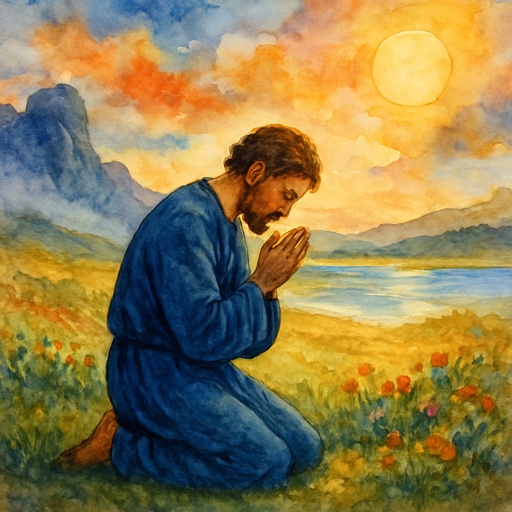
psalm 130

Psalms 130:6 - "My soul waiteth for the Lord more than they that watch for the morning: I say, more than they that watch for the morning."

Psalms 130:4 - "But there is forgiveness with thee, that thou mayest be feared."

Psalms 130:7 - "Let Israel hope in the LORD: for with the LORD there is mercy, and with him is plenteous redemption."

"The entrance of thy words giveth light; it giveth understanding unto the simple." - Psalms 119:130

"And he shall redeem Israel from all his iniquities." - Psalms 130:8

Psalms 130:2 - "Lord, hear my voice: let thine ears be attentive to the voice of my supplications."
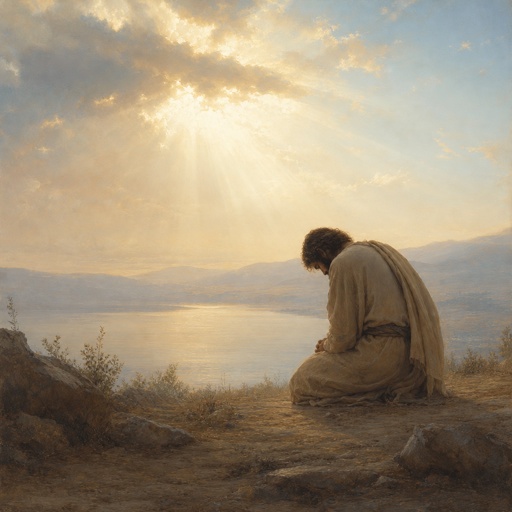
"But there is forgiveness with thee, that thou mayest be feared." - Psalms 130:4

Psalms 130:8 - "And he shall redeem Israel from all his iniquities."

"Let Israel hope in the LORD: for with the LORD there is mercy, and with him is plenteous redemption." - Psalms 130:7

Psalms 119:130 - "The entrance of thy words giveth light; it giveth understanding unto the simple."

Psalms 130:3 - "If thou, LORD, shouldest mark iniquities, O Lord, who shall stand?"

Psalms 130:5 - "I wait for the LORD, my soul doth wait, and in his word do I hope."
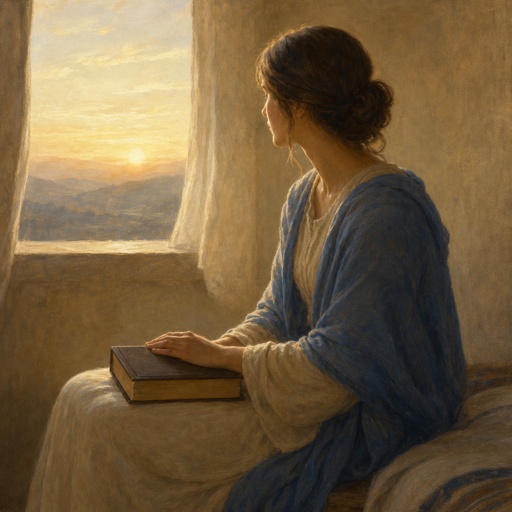
"I wait for the LORD, my soul doth wait, and in his word do I hope." - Psalms 130:5
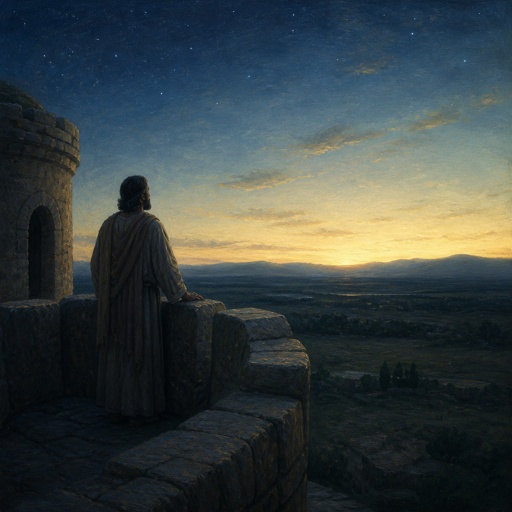
"My soul waiteth for the Lord more than they that watch for the morning: I say, more than they that watch for the morning." - Psalms 130:6
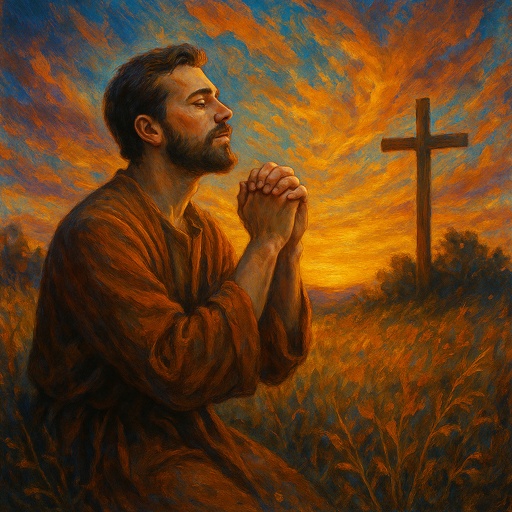
"I wait for the LORD, my soul doth wait, and in his word do I hope." - Psalms 130:5
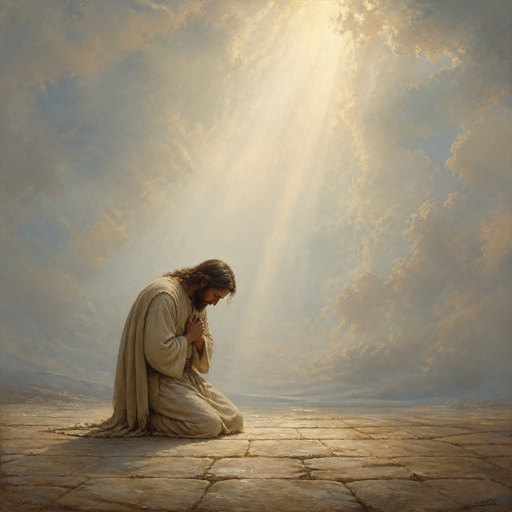
"If thou, LORD, shouldest mark iniquities, O Lord, who shall stand?" - Psalms 130:3
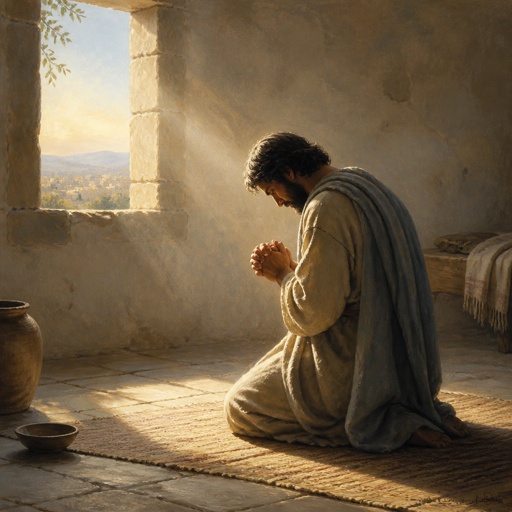
"Lord, hear my voice: let thine ears be attentive to the voice of my supplications." - Psalms 130:2
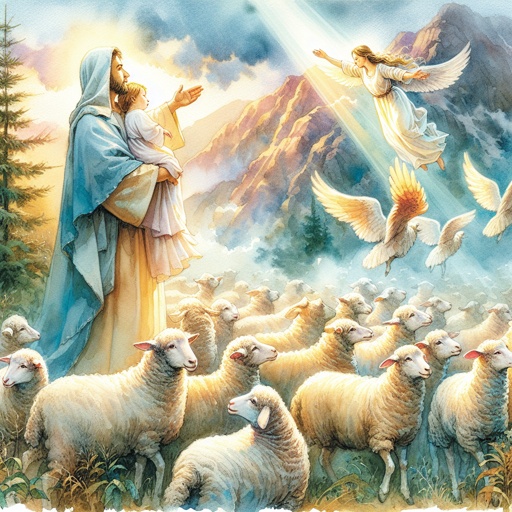
psalm 80:1-7

Psalms 128:1 - "Blessed is every one that feareth the LORD; that walketh in his ways."

Psalms 122:1 - "I was glad when they said unto me, Let us go into the house of the LORD."

Psalms 15:1 (KJVA) 1 A Psalm of David. LORD, who shall abide in thy tabernacle? who shall dwell in thy holy hill?

Psalms 15:1 (KJVA) 1 A Psalm of David. LORD, who shall abide in thy tabernacle? who shall dwell in thy holy hill?

Psalms 64:1 - "Hear my voice, O God, in my prayer: preserve my life from fear of the enemy."

Psalms 14:1 (KJVA) 1 To the chief Musician, A Psalm of David. The fool hath said in his heart, There is no God. They are corrupt, they have done abominable works, there is none that doeth good.

Psalms 14:1 (KJVA) 1 To the chief Musician, A Psalm of David. The fool hath said in his heart, There is no God. They are corrupt, they have done abominable works, there is none that doeth good.

Psalms 14:1 (KJVA) 1 To the chief Musician, A Psalm of David. The fool hath said in his heart, There is no God. They are corrupt, they have done abominable works, there is none that doeth good.

Psalms 14:1 (KJVA) 1 To the chief Musician, A Psalm of David. The fool hath said in his heart, There is no God. They are corrupt, they have done abominable works, there is none that doeth good.