What does Psalms 128:6 mean?
"Yea, thou shalt see thy children's children, and peace upon Israel." - Psalms 128:6
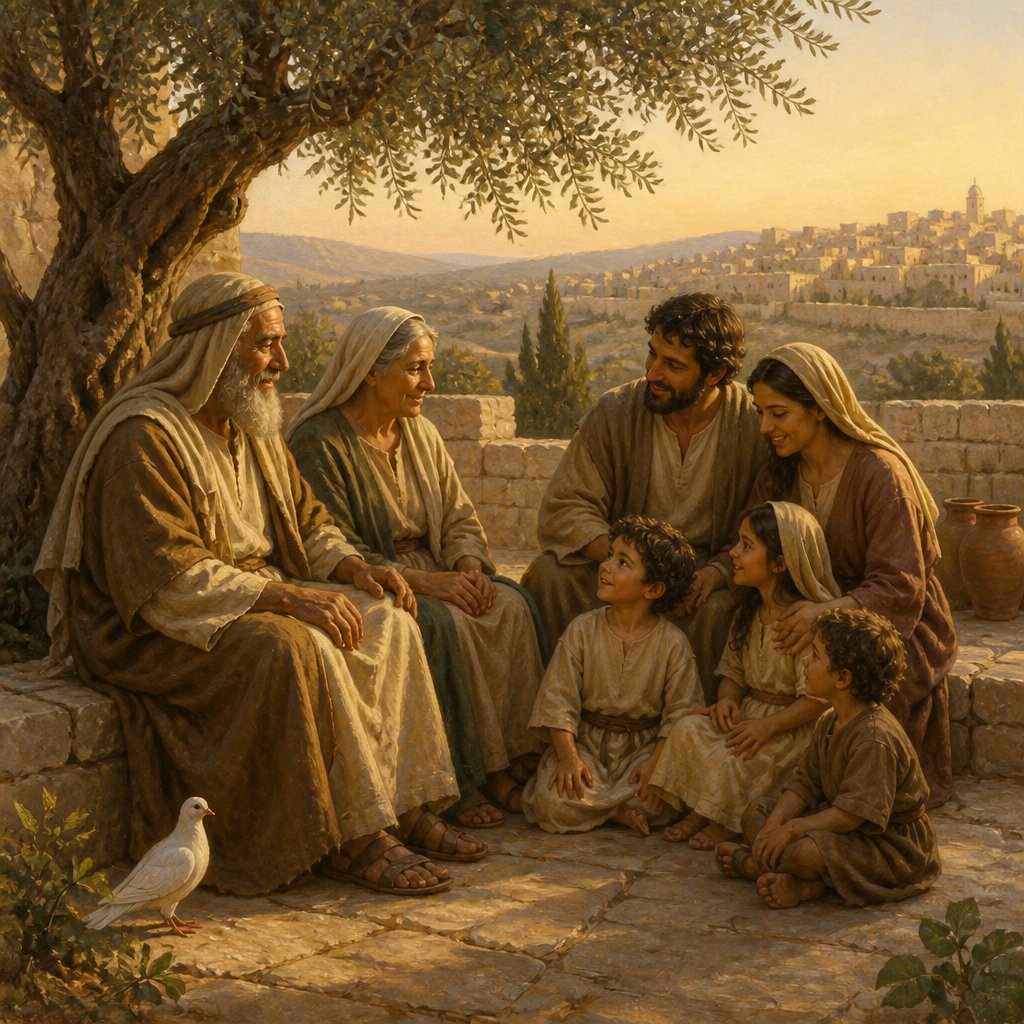
Psalms 128:6: "Yea, thou shalt see thy children's children, and peace upon Israel."
This verse comes from the book of Psalms, which is a collection of prayers, songs, and poetry attributed to King David and other writers. Written in ancient Hebrew, this book is a part of the Hebrew Bible and the Christian Old Testament. The book of Psalms is characterized by its deep emotional content and its themes of faith, trust, and praise.
Psalms 128 is a psalm of ascents, which were sung by the Israelites as they made their pilgrimages to Jerusalem for the feasts. This particular psalm is a song of blessing for the man who fears the Lord and walks in His ways. It speaks of the blessings that come from living righteously and honoring God.
The verse, "Yea, thou shalt see thy children's children, and peace upon Israel," is a promise of generational blessings. It is a reflection of the importance of family in biblical culture, as well as the promise of peace and prosperity for the nation of Israel.
One of the primary themes of this verse is the blessing of children and descendants. In ancient Hebrew culture, having many children was a sign of God's favor and was seen as a blessing. Seeing one's children's children was a way of measuring a long and prosperous life. This verse speaks of the fulfillment of the promise given to Abraham in Genesis 17:6, "I will make you exceedingly fruitful, and I will make nations of you, and kings shall come from you."
The promise of peace upon Israel also reflects the theme of national prosperity and security. Throughout the Bible, the nation of Israel is promised blessings and protection if they remain faithful to God and His commandments. This verse echoes the sentiment found in Jeremiah 29:7, "But seek the welfare of the city where I have sent you into exile, and pray to the Lord on its behalf, for in its welfare you will find your welfare."
The imagery used in this verse is symbolic of the blessings and prosperity that come from walking in obedience to God. Seeing one's children's children represents the fulfillment of God's promises and the legacy of faithfulness. Peace upon Israel symbolizes the overarching blessing of God's protection and providence for His people.
In a broader context, this verse reminds believers of the importance of faithfulness to God's commandments and the blessings that come from following His ways. It also speaks to the interconnectedness of family, faith, and national prosperity. By living in accordance with God's will, individuals and nations can experience the fullness of His blessings and peace.
In summary, Psalms 128:6 is a verse that speaks to the generational blessings and national prosperity that come from living in obedience to God. It is a reminder of the importance of family, faith, and the promises of God. The symbolism and themes found in this verse resonate with believers, reminding them of the blessings that come from trusting in God and walking in His ways.
Have questions about Psalms 128:6?
Dive deeper into this scripture with Bible Chat — an AI-powered tool for exploring God's Word through conversation. Ask questions, get context, and grow in your understanding of the Bible.
Get Our Apps


Psalms 128:6 Artwork
Psalms 128:6 - "Yea, thou shalt see thy children's children, and peace upon Israel."
"Yea, thou shalt see thy children's children, and peace upon Israel." - Psalms 128:6

Psalms 128:1 - "Blessed is every one that feareth the LORD; that walketh in his ways."

Psalms 128:4 - "Behold, that thus shall the man be blessed that feareth the LORD."

Psalms 128:2 - "For thou shalt eat the labour of thine hands: happy shalt thou be, and it shall be well with thee."

Psalms 128:5 - "The LORD shall bless thee out of Zion: and thou shalt see the good of Jerusalem all the days of thy life."

Psalms 119:128 - "Therefore I esteem all thy precepts concerning all things to be right; and I hate every false way."
"Behold, that thus shall the man be blessed that feareth the LORD." - Psalms 128:4

Psalms 128:3 - "Thy wife shall be as a fruitful vine by the sides of thine house: thy children like olive plants round about thy table."

"Blessed is every one that feareth the LORD; that walketh in his ways." - Psalms 128:1

"The LORD shall bless thee out of Zion: and thou shalt see the good of Jerusalem all the days of thy life." - Psalms 128:5
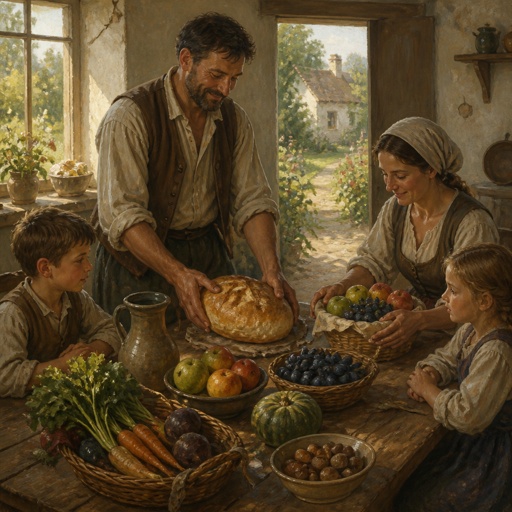
"For thou shalt eat the labour of thine hands: happy shalt thou be, and it shall be well with thee." - Psalms 128:2

Psalms 126:6

"Therefore I esteem all thy precepts concerning all things to be right; and I hate every false way." - Psalms 119:128

Psalms 115:6 - "They have ears, but they hear not: noses have they, but they smell not:"
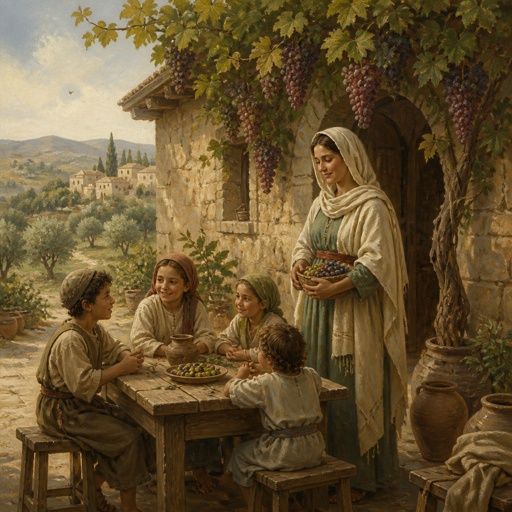
"Thy wife shall be as a fruitful vine by the sides of thine house: thy children like olive plants round about thy table." - Psalms 128:3

Psalms 30:6 - "And in my prosperity I said, I shall never be moved."

Psalms 129:6 - "Let them be as the grass upon the housetops, which withereth afore it groweth up:"

Psalms 144:6 - "Cast forth lightning, and scatter them: shoot out thine arrows, and destroy them."

Psalms 74:6 - "But now they break down the carved work thereof at once with axes and hammers."

Psalms 6:6

Psalms 80:6 - "Thou makest us a strife unto our neighbours: and our enemies laugh among themselves."

Psalms 114:6 - "Ye mountains, that ye skipped like rams; and ye little hills, like lambs?"

"They slay the widow and the stranger, and murder the fatherless." - Psalms 94:6

Psalms 130:6 - "My soul waiteth for the Lord more than they that watch for the morning: I say, more than they that watch for the morning."

Psalms 118:6 - "The LORD is on my side; I will not fear: what can man do unto me?"

"Pray for the peace of Jerusalem: they shall prosper that love thee." - Psalms 122:6

Psalms 126:6

Psalms 126:6

"In the morning it flourisheth, and groweth up; in the evening it is cut down, and withereth." - Psalms 90:6