What does Psalms 119:87 mean?
"They had almost consumed me upon earth; but I forsook not thy precepts." - Psalms 119:87
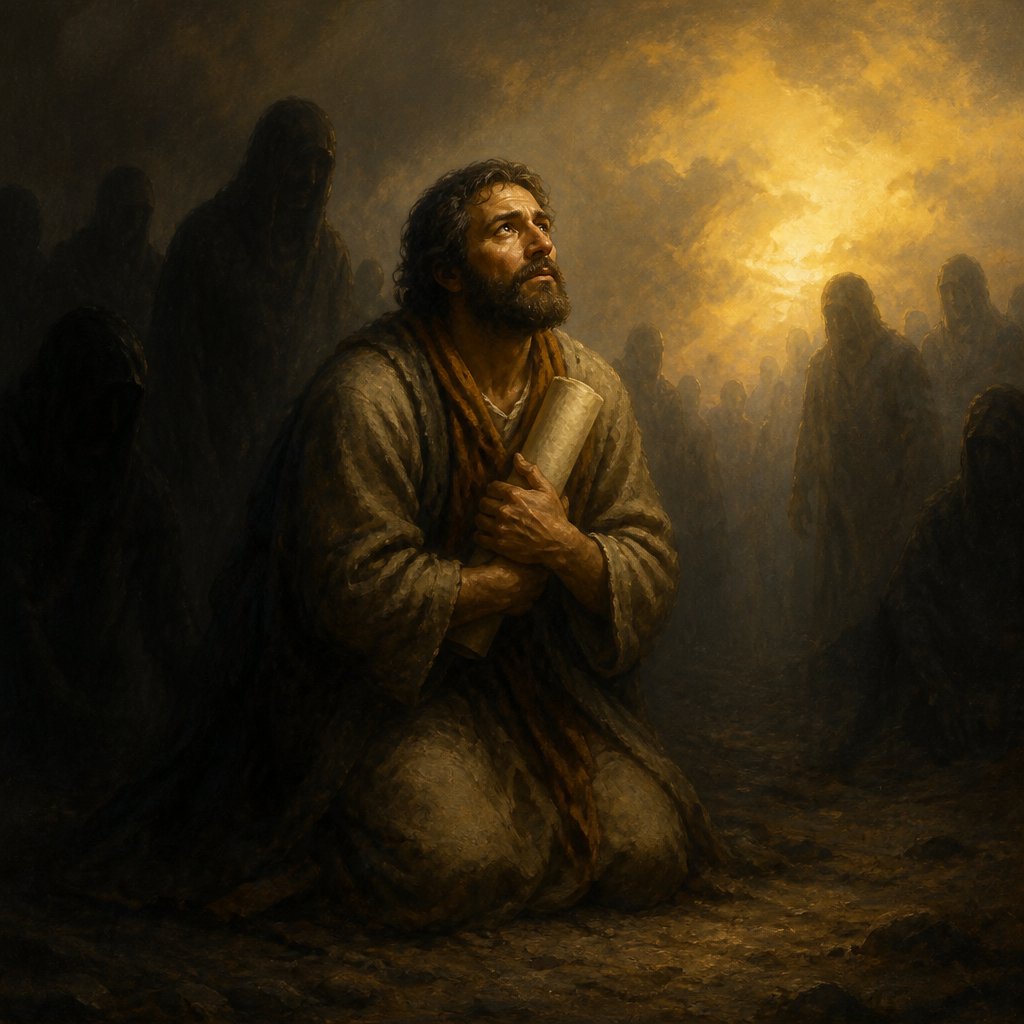
Psalm 119:87 in the King James Version of the Bible reads, "They had almost consumed me upon earth; but I forsook not thy precepts." This verse is part of the longest chapter in the Bible, which is a song of praise, thanksgiving, and obedience to God's law. In this verse, the psalmist is expressing his gratitude for God's protection and faithfulness, despite the trials and tribulations he has faced.
The theme of this verse is the unwavering faith and trust in God's word, even in the midst of adversity. The psalmist acknowledges that he has come close to being consumed or destroyed by his adversaries, but he has not forsaken God's precepts. This verse demonstrates the psalmist's reliance on God's guidance and the power of his word to sustain him through difficult times.
The context of Psalm 119 as a whole is important to understanding the meaning of this verse. The entire psalm is a celebration of God's law, emphasizing the benefits of following it and the psalmist's commitment to doing so. The psalmist uses various terms to refer to God's law, such as "precepts," "statutes," "commandments," and "judgments," which all point to the divine guidance and wisdom found in God's word. The psalmist also expresses his love for God's law and the joy and delight he finds in meditating on it day and night.
In Psalm 119:87, the psalmist's affirmation of not forsaking God's precepts is a declaration of his commitment to obedience despite the trials he has faced. It is a testament to the psalmist's unwavering dedication to following God's word, even in the face of persecution and danger. The psalmist's experience of being almost consumed by his enemies serves as a reminder of the challenges and threats that believers may encounter as they seek to live according to God's principles.
The symbolism in this verse is significant in conveying the psalmist's message. The imagery of being "consumed" evokes the idea of being overwhelmed or destroyed by external forces. It conveys a sense of danger and vulnerability, as well as the potential for harm or destruction. However, the psalmist's steadfast commitment to God's precepts serves as a symbol of resilience and strength in the face of adversity. By not forsaking God's word, the psalmist demonstrates his trust in God's protection and guidance, even in the midst of trials.
Overall, Psalm 119:87 is a powerful affirmation of faith and trust in God's word, even in the face of adversity. It speaks to the enduring significance of God's precepts and the sustaining power of divine guidance. The verse serves as a reminder of the challenges and threats that believers may face, as well as the unwavering commitment to obedience and faith in God's word. It is a testament to the psalmist's unwavering dedication to following God's word, even in the face of persecution and danger, and a powerful expression of hope and confidence in God's protection and faithfulness.
Have questions about Psalms 119:87?
Dive deeper into this scripture with Bible Chat — an AI-powered tool for exploring God's Word through conversation. Ask questions, get context, and grow in your understanding of the Bible.
Get Our Apps


Psalms 119:87 Artwork

Psalms 119:87 - "They had almost consumed me upon earth; but I forsook not thy precepts."
"They had almost consumed me upon earth; but I forsook not thy precepts." - Psalms 119:87

Psalms 87:3 - "Glorious things are spoken of thee, O city of God. Selah."

Psalms 87:1 - "His foundation is in the holy mountains."

Psalms 87:7 - "As well the singers as the players on instruments shall be there: all my springs are in thee."

Psalms 87:5 - "And of Zion it shall be said, This and that man was born in her: and the highest himself shall establish her."

Psalms 87:2 - "The LORD loveth the gates of Zion more than all the dwellings of Jacob."

"His foundation is in the holy mountains." - Psalms 87:1
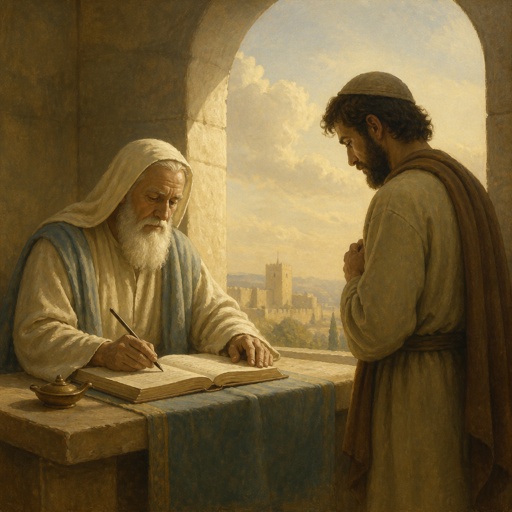
"The LORD shall count, when he writeth up the people, that this man was born there. Selah." - Psalms 87:6
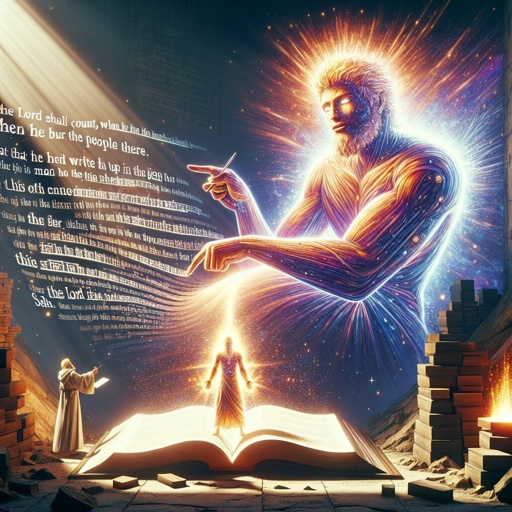
Psalms 87:6 - "The LORD shall count, when he writeth up the people, that this man was born there. Selah."

Psalms 87:4 - "I will make mention of Rahab and Babylon to them that know me: behold Philistia, and Tyre, with Ethiopia; this man was born there."

"Glorious things are spoken of thee, O city of God. Selah." - Psalms 87:3
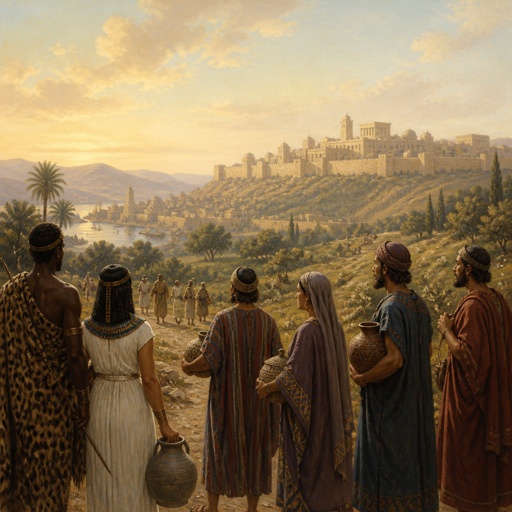
"I will make mention of Rahab and Babylon to them that know me: behold Philistia, and Tyre, with Ethiopia; this man was born there." - Psalms 87:4
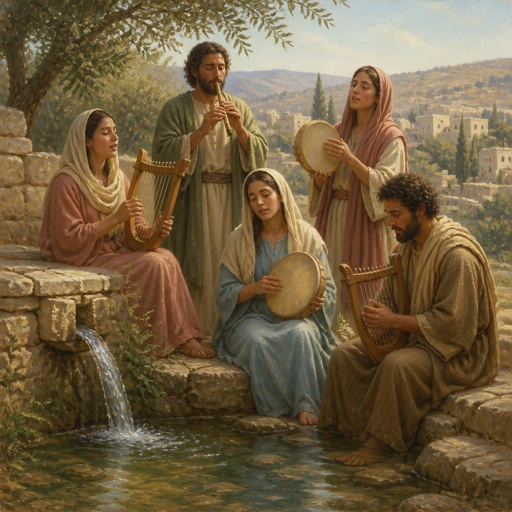
"As well the singers as the players on instruments shall be there: all my springs are in thee." - Psalms 87:7
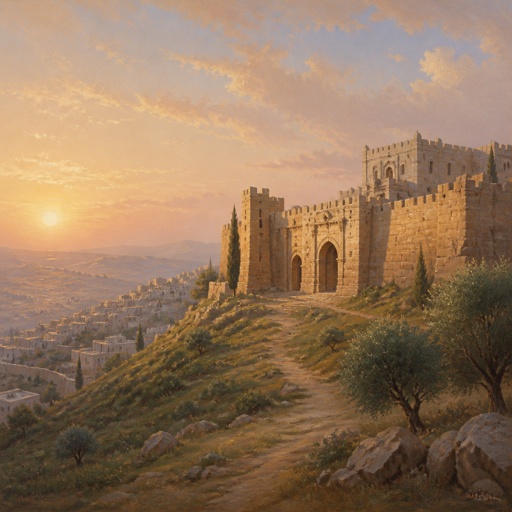
"The LORD loveth the gates of Zion more than all the dwellings of Jacob." - Psalms 87:2

Psalms 119:153 - "Consider mine affliction, and deliver me: for I do not forget thy law."

Psalms 119:174 - "I have longed for thy salvation, O LORD; and thy law is my delight."

Psalms 119:61 - "The bands of the wicked have robbed me: but I have not forgotten thy law."

Psalms 119:32 - "I will run the way of thy commandments, when thou shalt enlarge my heart."

"For ever, O LORD, thy word is settled in heaven." - Psalms 119:89

Psalms 119:176 - "I have gone astray like a lost sheep; seek thy servant; for I do not forget thy commandments."
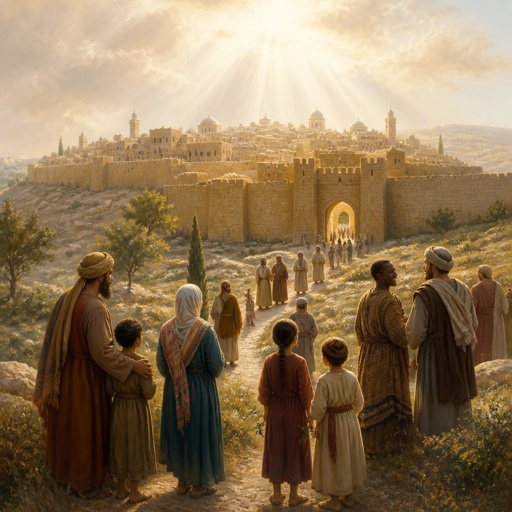
"And of Zion it shall be said, This and that man was born in her: and the highest himself shall establish her." - Psalms 87:5

"Salvation is far from the wicked: for they seek not thy statutes." - Psalms 119:155

Psalms 119:119 - "Thou puttest away all the wicked of the earth like dross: therefore I love thy testimonies."

"I beheld the transgressors, and was grieved; because they kept not thy word." - Psalms 119:158

"Righteous art thou, O LORD, and upright are thy judgments." - Psalms 119:137

Psalms 119:3 - "They also do no iniquity: they walk in his ways."

"Thy testimonies that thou hast commanded are righteous and very faithful." - Psalms 119:138

"Thou hast commanded us to keep thy precepts diligently." - Psalms 119:4

Psalms 119:24 - "Thy testimonies also are my delight and my counsellors."