What does Psalms 118:3 mean?
"Let the house of Aaron now say, that his mercy endureth for ever." - Psalms 118:3

Psalm 118:3 in the King James Version reads, "Let the house of Aaron now say, that his mercy endureth for ever." This verse comes from a larger psalm that is a hymn of thanksgiving and praise. It is a psalm that celebrates and acknowledges the enduring mercy and love of God.
The house of Aaron refers to the priestly lineage of Aaron, the brother of Moses. Throughout the Old Testament, the priests played a crucial role in the worship and service of God. The psalmist calls upon the house of Aaron to proclaim and declare the eternal nature of God's mercy. This verse is a call to worship and a call to acknowledge and give thanks for God's steadfast love and mercy.
One of the prominent themes of this verse is the idea of God's enduring mercy. The concept of God's mercy is a central theme throughout the Bible, particularly in the Old Testament. The Hebrew word for mercy is "hesed," which encompasses not only mercy, but also love, kindness, and steadfastness. This verse emphasizes the everlasting nature of God's mercy, highlighting the unchanging and faithful character of God. It points to the eternal nature of God's love, reminding us that His mercy endures forever, no matter the circumstances or challenges we may face.
Another important theme in this verse is the idea of proclamation and testimony. The psalmist is calling upon the house of Aaron to declare the everlasting mercy of God. This act of proclamation is an essential aspect of worship and faith. It is a call to acknowledge and bear witness to the faithfulness and goodness of God. By sharing and testifying to God's mercy, the psalmist is encouraging the entire community to join in praise and thanksgiving.
The context of Psalm 118 is important in understanding the significance of this verse. The psalm is often associated with times of deliverance and victory. It is a psalm of celebration and joy, expressing gratitude for God's saving power. In the larger context of the psalm, the verse serves as a reminder of God's faithfulness in times of trouble and His ability to bring about deliverance and salvation.
Symbolism is also present in this verse, particularly in the reference to the house of Aaron. The house of Aaron represents the priesthood and the religious leadership of Israel. By calling upon the house of Aaron to declare God's mercy, the psalmist is emphasizing the role of the priestly community in leading the people in worship and praise. The verse also symbolizes the idea of communal worship, as the call to proclamation extends to the entire community.
In summary, Psalm 118:3 is a powerful declaration of God's enduring mercy and a call to worship and praise. It emphasizes the unchanging and faithful nature of God's love and underscores the importance of proclaiming and testifying to His mercy. This verse serves as a reminder of God's steadfastness in times of trouble and His ability to bring about deliverance and salvation. As believers, we are called to join in this proclamation and give thanks for God's eternal mercy.
Have questions about Psalms 118:3?
Dive deeper into this scripture with Bible Chat — an AI-powered tool for exploring God's Word through conversation. Ask questions, get context, and grow in your understanding of the Bible.
Get Our Apps


Psalms 118:3 Artwork

Psalms 118:3 - "Let the house of Aaron now say, that his mercy endureth for ever."

"Let the house of Aaron now say, that his mercy endureth for ever." - Psalms 118:3

Psalms 118:24 - "This is the day which the LORD hath made; we will rejoice and be glad in it."

"This is the LORD'S doing; it is marvellous in our eyes." - Psalms 118:23

Psalms 118:6 - "The LORD is on my side; I will not fear: what can man do unto me?"

Psalms 118:23 - "This is the LORD'S doing; it is marvellous in our eyes."

"This is the day which the LORD hath made; we will rejoice and be glad in it." - Psalms 118:24

"The LORD is my strength and song, and is become my salvation." - Psalms 118:14

Psalms 118:20 - "This gate of the LORD, into which the righteous shall enter."

Psalms 118:9 - "It is better to trust in the LORD than to put confidence in princes."

"Let Israel now say, that his mercy endureth for ever." - Psalms 118:2

Psalms 118:14 - "The LORD is my strength and song, and is become my salvation."

Psalms 118:8 - "It is better to trust in the LORD than to put confidence in man."

Psalms 118:17 - "I shall not die, but live, and declare the works of the LORD."

Psalms 118:2 - "Let Israel now say, that his mercy endureth for ever."

Psalms 118:22 - "The stone which the builders refused is become the head stone of the corner."

Psalms 118:16 - "The right hand of the LORD is exalted: the right hand of the LORD doeth valiantly."

Psalms 118:19 - "Open to me the gates of righteousness: I will go into them, and I will praise the LORD:"

Psalms 118:4 - "Let them now that fear the LORD say, that his mercy endureth for ever."

Psalms 118:10 - "All nations compassed me about: but in the name of the LORD will I destroy them."

Psalms 118:15 - "The voice of rejoicing and salvation is in the tabernacles of the righteous: the right hand of the LORD doeth valiantly."
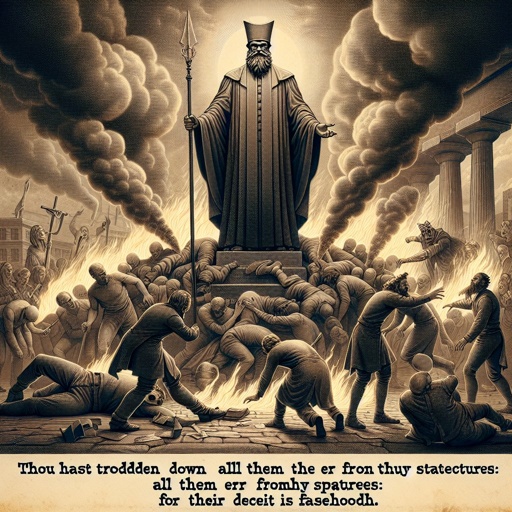
Psalms 119:118 - "Thou hast trodden down all them that err from thy statutes: for their deceit is falsehood."

Psalms 118:29 - "O give thanks unto the LORD; for he is good: for his mercy endureth for ever."

Psalms 118:13 - "Thou hast thrust sore at me that I might fall: but the LORD helped me."

Psalms 118:21 - "I will praise thee: for thou hast heard me, and art become my salvation."

Psalms 118:11 - "They compassed me about; yea, they compassed me about: but in the name of the LORD I will destroy them."

Psalms 118:1 - "O give thanks unto the LORD; for he is good: because his mercy endureth for ever."

Psalms 118:5 - "I called upon the LORD in distress: the LORD answered me, and set me in a large place."
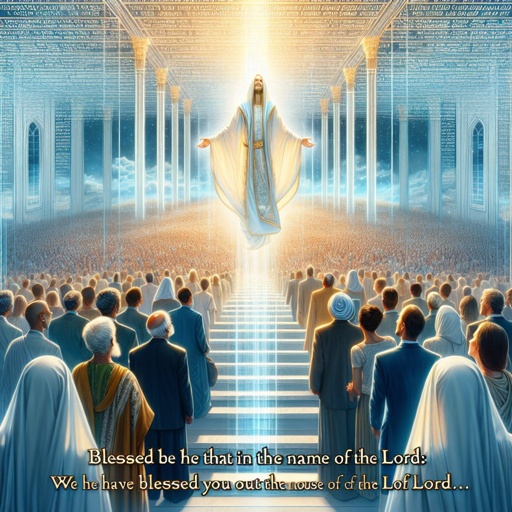
Psalms 118:26 - "Blessed be he that cometh in the name of the LORD: we have blessed you out of the house of the LORD."

Psalms 118:18 - "The LORD hath chastened me sore: but he hath not given me over unto death."