What does Psalms 114:2 mean?
"Judah was his sanctuary, and Israel his dominion." - Psalms 114:2

The verse Psalms 114:2 from the King James Version of the Bible reads, "Judah was his sanctuary, and Israel his dominion." This verse is part of a larger passage that reflects on the exodus of the Israelites from Egypt under the leadership of Moses. This passage is a celebration of God's power and protection as he led the Israelites out of bondage and into the Promised Land.
The theme of this verse is the special relationship that exists between God and the people of Judah and Israel. The use of the term "sanctuary" in reference to Judah underscores the idea that the people of Judah were set apart as holy and devoted to the worship of God. The word "dominion" in reference to Israel emphasizes God's sovereignty and authority over the nation.
This verse can be understood in the broader context of the Old Testament, where the relationship between God and his chosen people is a central theme. In the book of Exodus, the Israelites are portrayed as a people in need of liberation and deliverance, and God is depicted as their rescuer and redeemer. The verse in Psalms reflects the ongoing significance of this relationship, emphasizing the enduring nature of God's commitment to the people of Judah and Israel.
The sanctity of Judah and the dominion of Israel can also be seen as symbols of the spiritual and earthly realms. Judah as a sanctuary represents the spiritual realm, where God's presence is symbolically housed in the temple and where the people come to worship and seek God's guidance and protection. Israel as his dominion represents the earthly realm, where God's authority and rule are acknowledged and upheld by the people.
The imagery in this verse also serves to highlight the close connection between the land of Judah and Israel and the presence of God. The land itself is portrayed as sacred and under the divine protection of God. This idea is consistent with the broader biblical theme of the Promised Land as a special and holy place, set apart for the people of God.
Overall, this verse serves as a reminder of God's faithfulness and commitment to his people. The sanctuary of Judah and the dominion of Israel represent the special relationship that exists between God and his chosen people, and the enduring nature of God's presence and protection. This verse also emphasizes the sacredness of the land and the spiritual and earthly realms, highlighting the significance of God's presence and authority in the lives of his people.
In conclusion, Psalms 114:2 from the King James Version of the Bible is a powerful reflection on the special relationship between God and the people of Judah and Israel. This verse emphasizes the sanctity of Judah as a sanctuary and the dominion of Israel as a symbol of God's authority and rule. The imagery in this verse serves to highlight the enduring nature of God's presence and protection, as well as the sacredness of the land and the spiritual and earthly realms. This verse encourages believers to remember and celebrate God's faithfulness and commitment to his people throughout history.
Have questions about Psalms 114:2?
Dive deeper into this scripture with Bible Chat — an AI-powered tool for exploring God's Word through conversation. Ask questions, get context, and grow in your understanding of the Bible.
Get Our Apps


Psalms 114:2 Artwork

Psalms 114:2 - "Judah was his sanctuary, and Israel his dominion."

"Judah was his sanctuary, and Israel his dominion." - Psalms 114:2

Psalms 114:4 - "The mountains skipped like rams, and the little hills like lambs."

Psalms 114:6 - "Ye mountains, that ye skipped like rams; and ye little hills, like lambs?"

"The sea saw it, and fled: Jordan was driven back." - Psalms 114:3

Psalms 114:8 - "Which turned the rock into a standing water, the flint into a fountain of waters."

Psalms 119:114 - "Thou art my hiding place and my shield: I hope in thy word."

"The mountains skipped like rams, and the little hills like lambs." - Psalms 114:4

Psalms 114:3 - "The sea saw it, and fled: Jordan was driven back."

"Ye mountains, that ye skipped like rams; and ye little hills, like lambs?" - Psalms 114:6

Psalms 114:7 - "Tremble, thou earth, at the presence of the Lord, at the presence of the God of Jacob;"

Psalms 114:1 - "When Israel went out of Egypt, the house of Jacob from a people of strange language;"

Psalms 114:5 - "What ailed thee, O thou sea, that thou fleddest? thou Jordan, that thou wast driven back?"

"Which turned the rock into a standing water, the flint into a fountain of waters." - Psalms 114:8

"Tremble, thou earth, at the presence of the Lord, at the presence of the God of Jacob;" - Psalms 114:7

"Thou art my hiding place and my shield: I hope in thy word." - Psalms 119:114

"Thou art my hiding place and my shield: I hope in thy word." - Psalms 119:114

"When Israel went out of Egypt, the house of Jacob from a people of strange language;" - Psalms 114:1

Psalms 81:2 - "Take a psalm, and bring hither the timbrel, the pleasant harp with the psaltery."

"What ailed thee, O thou sea, that thou fleddest? thou Jordan, that thou wast driven back?" - Psalms 114:5
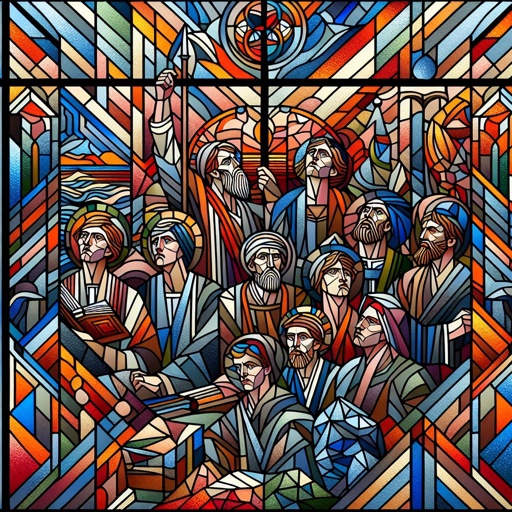
Psalms 115:2 - "Wherefore should the heathen say, Where is now their God?"
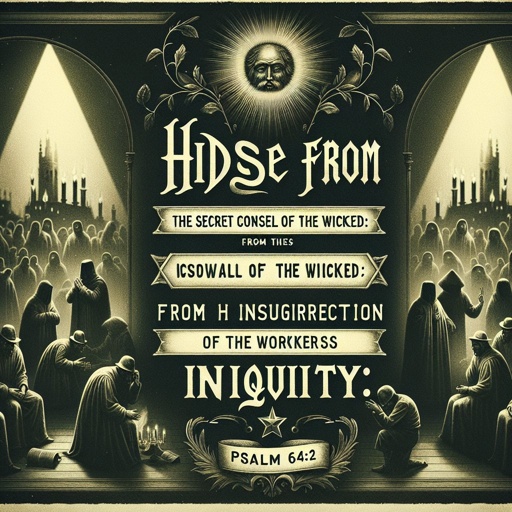
Psalms 64:2 - "Hide me from the secret counsel of the wicked; from the insurrection of the workers of iniquity:"

"Take a psalm, and bring hither the timbrel, the pleasant harp with the psaltery." - Psalms 81:2

Psalms 54:2 - "Hear my prayer, O God; give ear to the words of my mouth."

Psalms 149:2 - "Let Israel rejoice in him that made him: let the children of Zion be joyful in their King."

Psalms 5:2 - "Hearken unto the voice of my cry, my King, and my God: for unto thee will I pray."

Psalms 17:2 - "Let my sentence come forth from thy presence; let thine eyes behold the things that are equal."

"Both low and high, rich and poor, together." - Psalms 49:2

"Blessed be the name of the LORD from this time forth and for evermore." - Psalms 113:2

Psalms 133:2 - "It is like the precious ointment upon the head, that ran down upon the beard, even Aaron's beard: that went down to the skirts of his garments;"