What does Psalms 113:7 mean?
"He raiseth up the poor out of the dust, and lifteth the needy out of the dunghill;" - Psalms 113:7
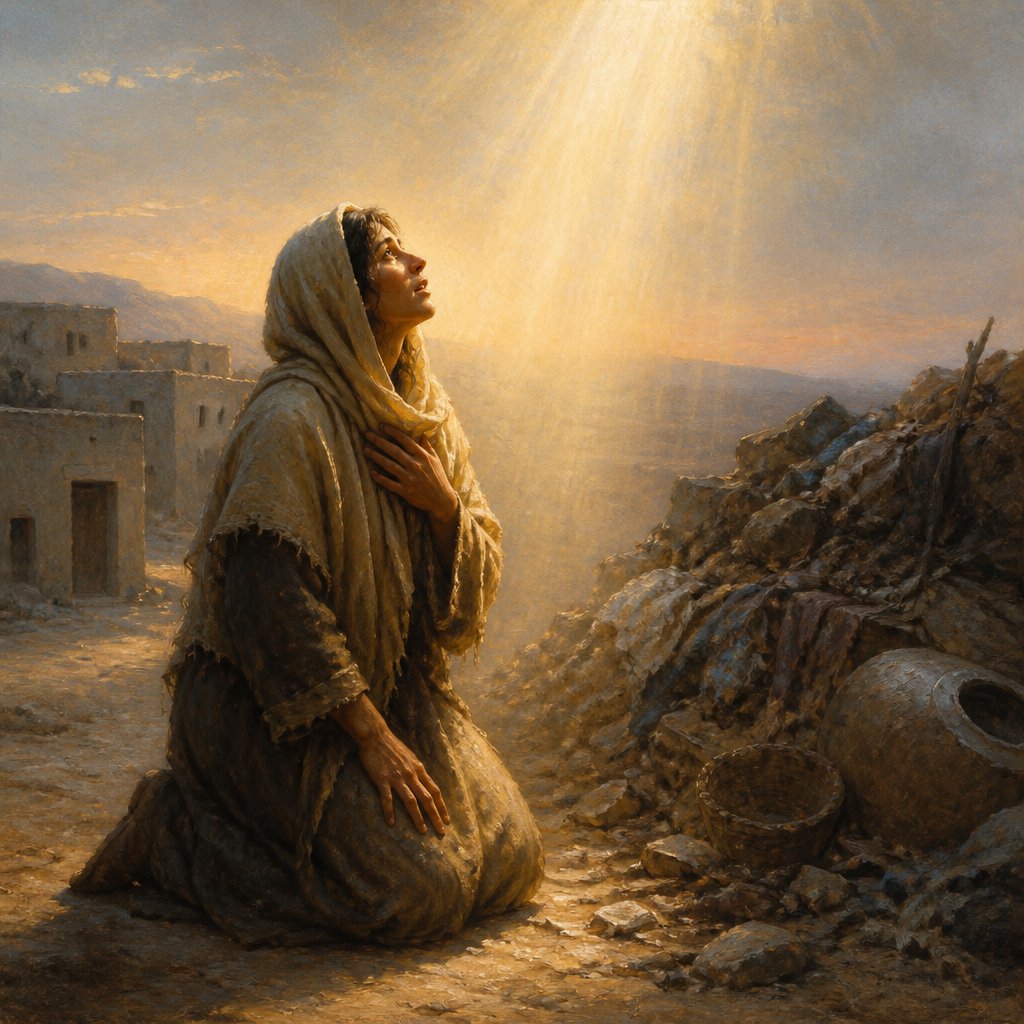
"Psalms 113:7 (KJV) says, "He raiseth up the poor out of the dust, and lifteth the needy out of the dunghill." This verse speaks to the belief that God has the power and compassion to bring hope and dignity to those who are suffering, impoverished, or oppressed.
In this verse, the phrase "He raiseth up the poor out of the dust" emphasizes God's ability to lift people who are in a lowly and humble state. The imagery of raising someone up from the dust suggests a profound transformation, as if God is reaching down to personally elevate and rescue those who are in need. This act of divine intervention not only addresses the material needs of the poor but also uplifts their spirits and restores their dignity.
The second part of the verse, "and lifteth the needy out of the dunghill," further emphasizes God's concern for the marginalized and downtrodden. The use of the word "needy" includes not only those who lack material possessions but also those who are deprived of basic human rights and respect. The reference to a "dunghill" symbolizes a place of degradation and filth, highlighting the extreme circumstances from which God has the power to rescue and redeem the oppressed.
The overarching theme of this verse is God's compassion and justice. It conveys the idea that God is actively involved in the lives of the poor and needy, and is committed to lifting them out of their circumstances. This theme is consistent with the broader message of the Psalms, which frequently emphasize God's care for the marginalized and his commitment to righteousness and deliverance.
In its historical context, this verse also reflects the social and economic disparities present in the ancient Near East. During the time of the writing of the Psalms, there were significant differences in wealth and social status, and the poor and needy often faced hardship and ostracism. The verse serves as a reminder that God's concern for the oppressed and marginalized is timeless and applicable to all people, regardless of their historical or cultural context.
Symbolically, the act of raising up the poor and lifting the needy out of the dunghill can be seen as a representation of God's redemptive and transformative power. The imagery of being lifted out of the dust and the dunghill suggests a movement from despair to hope, from degradation to dignity. It also highlights the idea that God's intervention brings about a radical change in the lives of the oppressed, restoring their humanity and value.
Overall, Psalms 113:7 (KJV) conveys a powerful message of hope and redemption. It emphasizes God's compassionate concern for the poor and needy, and his ability to bring about profound transformation in their lives. This verse serves as a source of comfort and inspiration for those who are suffering, reminding them that God is actively working to lift them out of their circumstances and bring about justice and restoration."
Have questions about Psalms 113:7?
Dive deeper into this scripture with Bible Chat — an AI-powered tool for exploring God's Word through conversation. Ask questions, get context, and grow in your understanding of the Bible.
Get Our Apps


Psalms 113:7 Artwork

Psalms 113:7 - "He raiseth up the poor out of the dust, and lifteth the needy out of the dunghill;"
"He raiseth up the poor out of the dust, and lifteth the needy out of the dunghill;" - Psalms 113:7

"Blessed be the name of the LORD from this time forth and for evermore." - Psalms 113:2

Psalms 113:6 - "Who humbleth himself to behold the things that are in heaven, and in the earth!"

Psalms 113:2 - "Blessed be the name of the LORD from this time forth and for evermore."

"Who is like unto the LORD our God, who dwelleth on high," - Psalms 113:5

Psalms 113:5 - "Who is like unto the LORD our God, who dwelleth on high,"

Psalms 113:8 - "That he may set him with princes, even with the princes of his people."

Psalms 119:113 - "I hate vain thoughts: but thy law do I love."

"The LORD is high above all nations, and his glory above the heavens." - Psalms 113:4

Psalms 113:3 - "From the rising of the sun unto the going down of the same the LORD'S name is to be praised."

Psalms 113:4 - "The LORD is high above all nations, and his glory above the heavens."
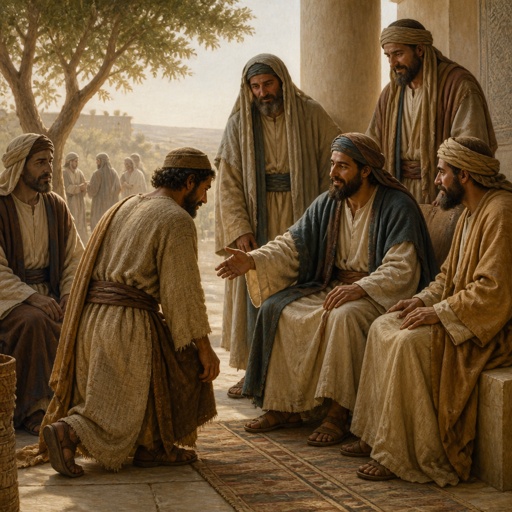
"That he may set him with princes, even with the princes of his people." - Psalms 113:8

Psalms 113:1 - "Praise ye the LORD. Praise, O ye servants of the LORD, praise the name of the LORD."
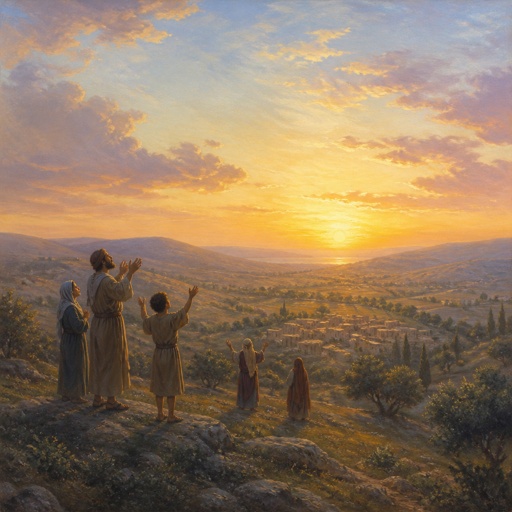
"From the rising of the sun unto the going down of the same the LORD'S name is to be praised." - Psalms 113:3

Psalms 113:9 - "He maketh the barren woman to keep house, and to be a joyful mother of children. Praise ye the LORD."
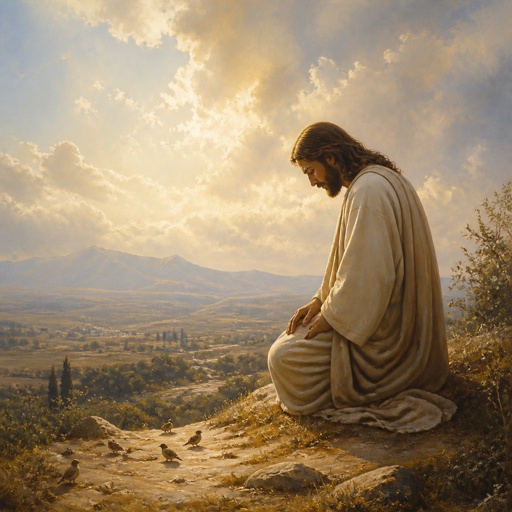
"Who humbleth himself to behold the things that are in heaven, and in the earth!" - Psalms 113:6
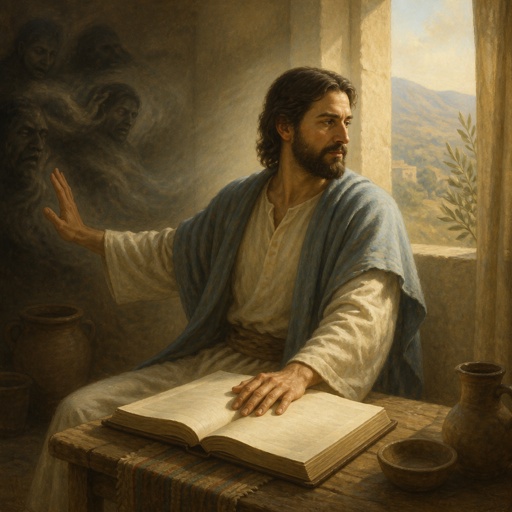
"I hate vain thoughts: but thy law do I love." - Psalms 119:113

Psalms 20 7
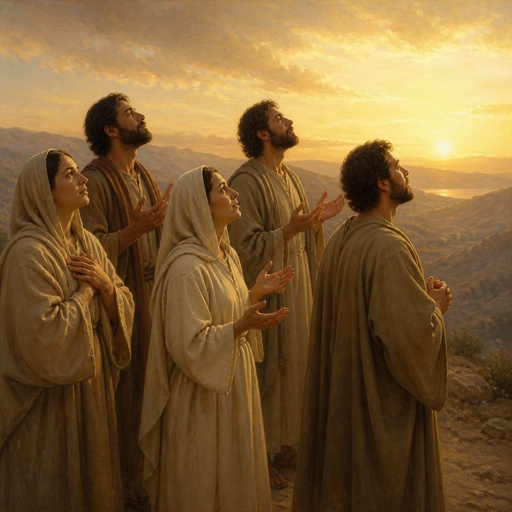
"Praise ye the LORD. Praise, O ye servants of the LORD, praise the name of the LORD." - Psalms 113:1
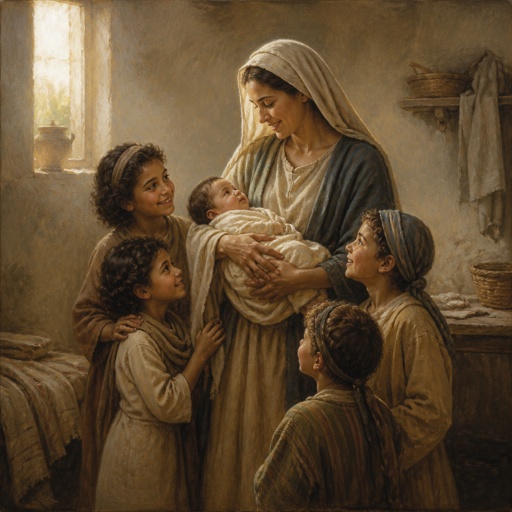
"He maketh the barren woman to keep house, and to be a joyful mother of children. Praise ye the LORD." - Psalms 113:9

Hallelujah! Praise the Lord! Go ahead, praise the Lord, all you loving servants! Keep it up! Praise him some more! For the glorious name of the Lord is blessed forever and ever. From sunrise-brilliance to sunset-beauty, Lift up his praise from dawn to dusk! Psalms 113:1-3
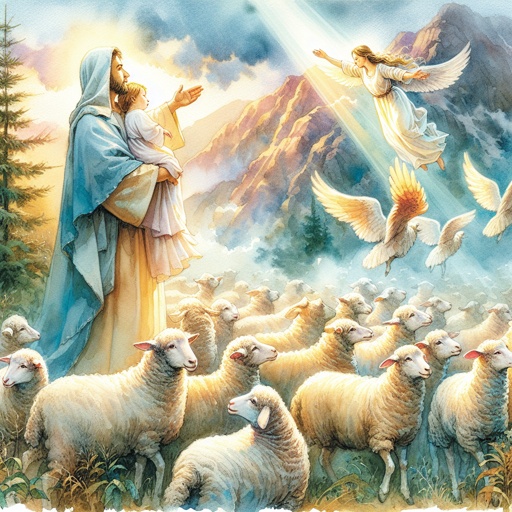
psalm 80:1-7

Psalms 98:7 - "Let the sea roar, and the fulness thereof; the world, and they that dwell therein."

Psalms 12:7 - "Thou shalt keep them, O LORD, thou shalt preserve them from this generation for ever."

"All sheep and oxen, yea, and the beasts of the field;" - Psalms 8:7

"Gebal, and Ammon, and Amalek; the Philistines with the inhabitants of Tyre;" - Psalms 83:7

Hallelujah! Praise the Lord! Go ahead, praise the Lord, all you loving servants! Keep it up! Praise him some more! For the glorious name of the Lord is blessed forever and ever. From sunrise-brilliance to sunset-beauty, Lift up his praise from dawn to dusk! Psalms 113:1-3

"So shall the congregation of the people compass thee about: for their sakes therefore return thou on high." - Psalms 7:7

Psalms 88:7 - "Thy wrath lieth hard upon me, and thou hast afflicted me with all thy waves. Selah."