What does Psalms 110:7 mean?
"He shall drink of the brook in the way: therefore shall he lift up the head." - Psalms 110:7
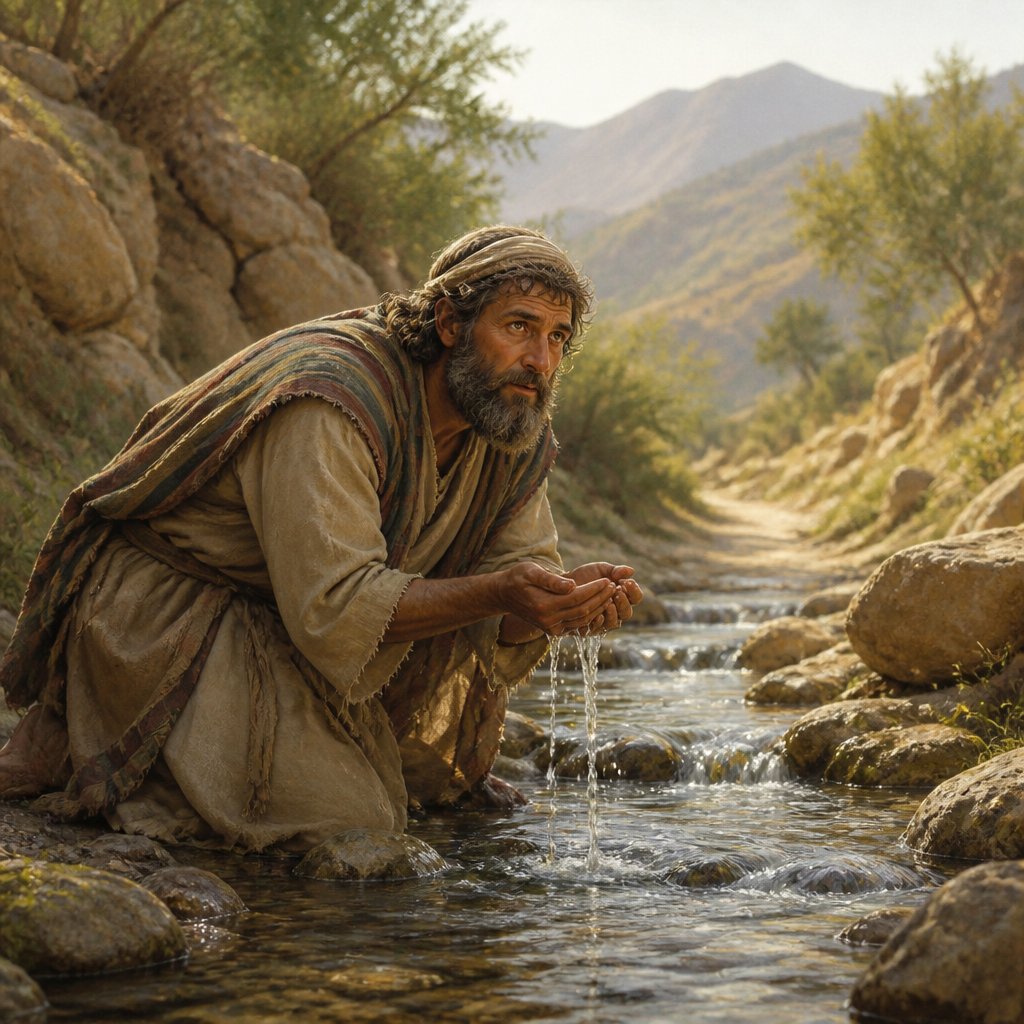
"Psalms 110:7 (KJV) states, "He shall drink of the brook in the way: therefore shall he lift up the head." This verse is part of Psalm 110, which is a well-known Messianic psalm that has been interpreted and understood in various ways throughout history.
The context of this verse is crucial to understanding its meaning. Psalm 110 is attributed to King David and is a prophetic psalm that speaks of a future messianic figure who will reign as both a king and a priest. The verse in question, "He shall drink of the brook in the way," has been interpreted in different ways, but most scholars agree that it refers to the messianic figure's need for refreshment and sustenance on his journey or mission.
One theme that is evident in this verse is that of divine sustenance and provision. The image of the messianic figure drinking from a brook conveys the idea of God providing for his chosen one's needs. This theme is echoed throughout the Bible, where God is often depicted as the one who provides for and sustains his people. In this verse, the act of drinking from the brook can be seen as a symbol of the messianic figure's dependence on God for sustenance and strength as he fulfills his mission.
Another theme that can be derived from this verse is that of triumph and exaltation. The second part of the verse, "therefore shall he lift up the head," suggests that the messianic figure will ultimately be victorious and exalted. Throughout the Bible, the lifting of one's head is often associated with being honored and exalted. In this verse, it can be understood as a promise that the messianic figure will ultimately triumph over his enemies and be exalted to a position of authority and honor.
The symbolism in this verse is rich and multifaceted. The brook can be seen as a symbol of life-giving water, which is often associated with spiritual nourishment and renewal. In the Bible, water is frequently used as a symbol of God's provision and sustenance. By drinking from the brook, the messianic figure is symbolically partaking of God's life-giving sustenance, which empowers him to fulfill his mission.
The act of lifting up the head can be understood as a symbol of victory and exaltation. In many cultures, the act of lifting up one's head is a gesture of pride and confidence. In the context of this verse, it can be seen as a symbol of the messianic figure's ultimate triumph and exaltation. This symbolism is echoed in the New Testament, where Jesus is depicted as the ultimate fulfillment of the messianic figure described in Psalm 110.
In conclusion, Psalm 110:7 (KJV) is a rich and multi-layered verse that speaks to themes of divine sustenance, triumph, and exaltation. It portrays the messianic figure as one who is sustained and empowered by God as he fulfills his mission, and ultimately triumphs over his enemies. The symbolism in this verse conveys powerful images of God's provision and the messianic figure's ultimate victory and exaltation. As such, it is a verse that has been cherished and interpreted in various ways by believers throughout history."
Have questions about Psalms 110:7?
Dive deeper into this scripture with Bible Chat — an AI-powered tool for exploring God's Word through conversation. Ask questions, get context, and grow in your understanding of the Bible.
Get Our Apps


Psalms 110:7 Artwork

Psalms 110:7 - "He shall drink of the brook in the way: therefore shall he lift up the head."

"He shall drink of the brook in the way: therefore shall he lift up the head." - Psalms 110:7

Psalms 119:110 - "The wicked have laid a snare for me: yet I erred not from thy precepts."

Psalms 110:4 - "The LORD hath sworn, and will not repent, Thou art a priest for ever after the order of Melchizedek."

Psalms 110:5 - "The Lord at thy right hand shall strike through kings in the day of his wrath."

Psalms 110:2 - "The LORD shall send the rod of thy strength out of Zion: rule thou in the midst of thine enemies."

Psalms 110:3 - "Thy people shall be willing in the day of thy power, in the beauties of holiness from the womb of the morning: thou hast the dew of thy youth."

Psalms 110:1 - "The LORD said unto my Lord, Sit thou at my right hand, until I make thine enemies thy footstool."

Psalms 110:6 - "He shall judge among the heathen, he shall fill the places with the dead bodies; he shall wound the heads over many countries."

"The LORD said unto my Lord, Sit thou at my right hand, until I make thine enemies thy footstool." - Psalms 110:1

"The wicked have laid a snare for me: yet I erred not from thy precepts." - Psalms 119:110

"He shall judge among the heathen, he shall fill the places with the dead bodies; he shall wound the heads over many countries." - Psalms 110:6

"The LORD hath sworn, and will not repent, Thou art a priest for ever after the order of Melchizedek." - Psalms 110:4

"The Lord at thy right hand shall strike through kings in the day of his wrath." - Psalms 110:5

Psalms 20 7

"The LORD shall send the rod of thy strength out of Zion: rule thou in the midst of thine enemies." - Psalms 110:2
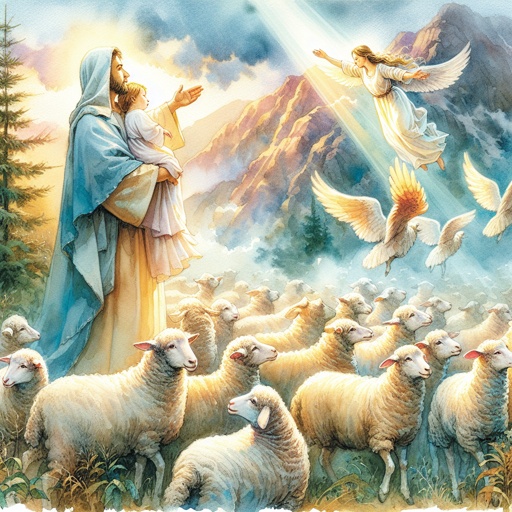
psalm 80:1-7

"Thy people shall be willing in the day of thy power, in the beauties of holiness from the womb of the morning: thou hast the dew of thy youth." - Psalms 110:3

Psalms 98:7 - "Let the sea roar, and the fulness thereof; the world, and they that dwell therein."
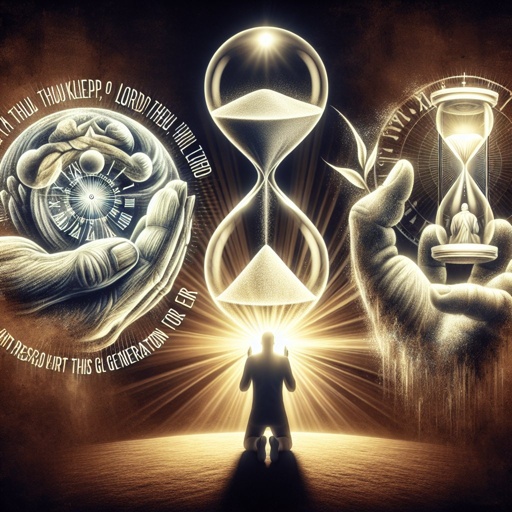
Psalms 12:7 - "Thou shalt keep them, O LORD, thou shalt preserve them from this generation for ever."

"All sheep and oxen, yea, and the beasts of the field;" - Psalms 8:7

"Gebal, and Ammon, and Amalek; the Philistines with the inhabitants of Tyre;" - Psalms 83:7

"So shall the congregation of the people compass thee about: for their sakes therefore return thou on high." - Psalms 7:7

Psalms 88:7 - "Thy wrath lieth hard upon me, and thou hast afflicted me with all thy waves. Selah."

"We will go into his tabernacles: we will worship at his footstool." - Psalms 132:7

Psalms 22:7

Psalms 42:7 (ESV) 7 Deep calls to deep at the roar of your waterfalls; all your breakers and your waves have gone over me.

Psalms 37:7

"Let the sea roar, and the fulness thereof; the world, and they that dwell therein." - Psalms 98:7

"Will the Lord cast off for ever? and will he be favourable no more?" - Psalms 77:7