What does Psalms 110:2 mean?
"The LORD shall send the rod of thy strength out of Zion: rule thou in the midst of thine enemies." - Psalms 110:2
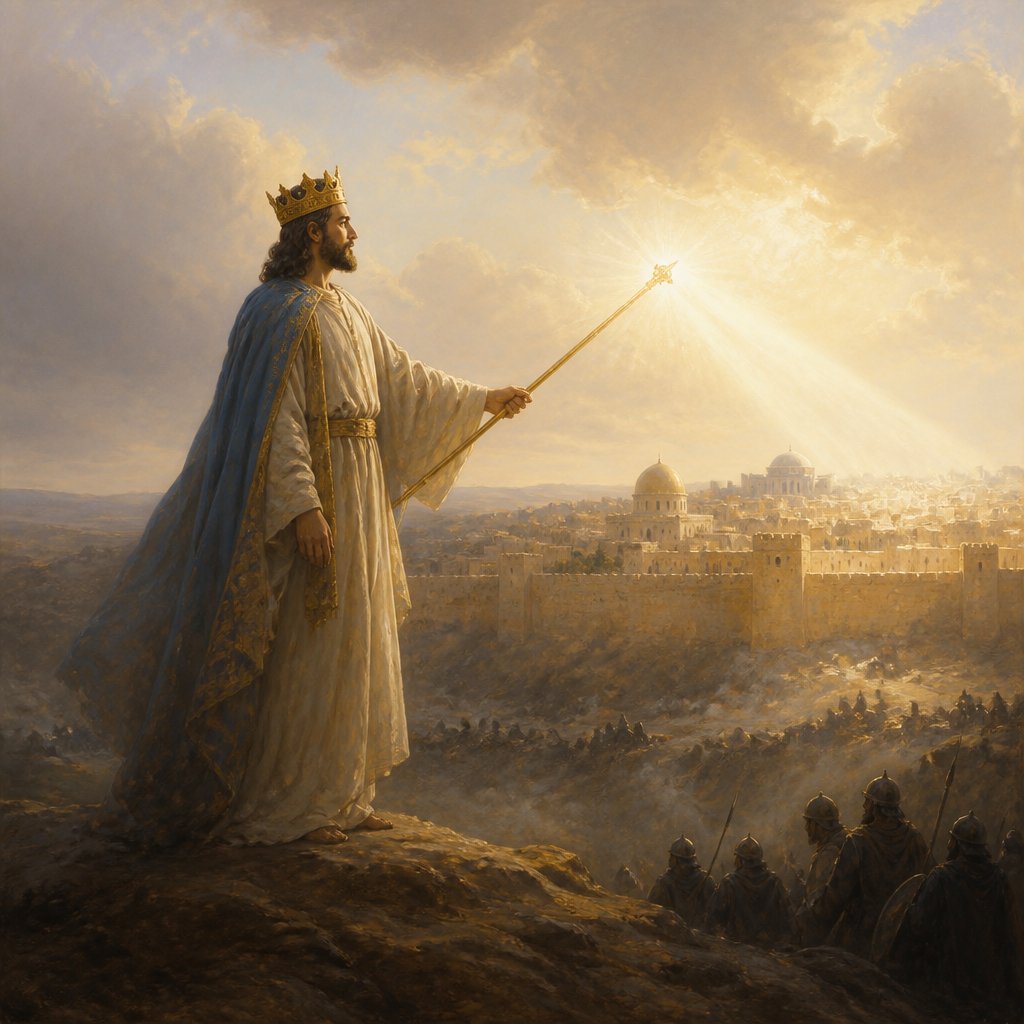
The verse Psalms 110:2 from the King James Version (KJV) states: "The Lord shall send the rod of thy strength out of Zion: rule thou in the midst of thine enemies."
This verse is a significant passage in the book of Psalms, as it showcases the sovereignty and power of the Lord. In order to fully understand the meaning and commentary of this verse, it is important to delve into the themes, context, and symbolism present in the passage.
The theme of divine sovereignty and authority is at the forefront of this verse. It recognizes that the Lord has supreme power and control over all things. The concept of the Lord sending "the rod of thy strength out of Zion" indicates that God's authority and strength emanate from a specific place, in this case, Zion. This imagery of strength and power coming forth from Zion symbolizes the divine nature of God's authority. Zion is often associated with the dwelling place of God and is a symbol of His presence and power. Therefore, the sending of the rod of strength from Zion signifies the source of God's authority and the manifestation of His power in the world.
Furthermore, the verse speaks of ruling "in the midst of thine enemies." This conveys the idea that God's authority is not limited by opposition or resistance. The Lord is able to rule and exercise His sovereignty even in the midst of adversity and opposition. This serves as a reminder of the omnipotence and unshakable nature of God's rule, regardless of external factors. It also presents the idea that no enemy or obstacle can stand in the way of God's ultimate authority and power.
In terms of context, the book of Psalms is a collection of poetry and hymns that express a range of human emotions and experiences, including praise, thanksgiving, lament, and petition. Psalms 110 is known as a messianic psalm, as it is attributed to King David and is often interpreted as a prophetic reference to the Messiah. The verse Psalms 110:2 specifically highlights the exaltation of the coming king, who is seen as a representative of the Lord on earth.
The use of the rod as a symbol of strength and authority has deep roots in ancient Near Eastern culture. In biblical times, the rod was a symbol of power and authority, often carried by kings and rulers as a sign of their leadership and dominion. By mentioning the sending of the rod of strength, the verse emphasizes the divine origin and nature of the coming ruler's authority. This ruler is seen as being appointed and empowered by the Lord Himself, signifying the divine legitimacy of his reign.
In Christian theology, this verse is often interpreted as a foreshadowing of the reign of Jesus Christ, who is seen as the ultimate fulfillment of the promised Messianic king. The imagery of ruling in the midst of enemies is also reflective of the New Testament teachings regarding the ultimate victory of Christ over sin, death, and all forms of opposition.
In conclusion, Psalms 110:2 is a powerful and significant verse that communicates the themes of divine sovereignty and authority. It showcases the unshakable nature of God's rule and the ultimate triumph of His appointed ruler. The imagery of the rod of strength emanating from Zion symbolizes the divine origin and power of God's authority. The verse also carries prophetic significance, particularly in Christian theology, as it is often interpreted as a foreshadowing of the reign of Jesus Christ. Overall, Psalms 110:2 serves as a testament to the unyielding power and authority of the Lord, and the ultimate victory of His appointed ruler over all opposition.
Have questions about Psalms 110:2?
Dive deeper into this scripture with Bible Chat — an AI-powered tool for exploring God's Word through conversation. Ask questions, get context, and grow in your understanding of the Bible.
Get Our Apps


Psalms 110:2 Artwork

Psalms 110:2 - "The LORD shall send the rod of thy strength out of Zion: rule thou in the midst of thine enemies."

"The LORD shall send the rod of thy strength out of Zion: rule thou in the midst of thine enemies." - Psalms 110:2

Psalms 119:110 - "The wicked have laid a snare for me: yet I erred not from thy precepts."

Psalms 110:4 - "The LORD hath sworn, and will not repent, Thou art a priest for ever after the order of Melchizedek."

Psalms 110:7 - "He shall drink of the brook in the way: therefore shall he lift up the head."

Psalms 110:5 - "The Lord at thy right hand shall strike through kings in the day of his wrath."

Psalms 110:3 - "Thy people shall be willing in the day of thy power, in the beauties of holiness from the womb of the morning: thou hast the dew of thy youth."

Psalms 110:1 - "The LORD said unto my Lord, Sit thou at my right hand, until I make thine enemies thy footstool."

Psalms 110:6 - "He shall judge among the heathen, he shall fill the places with the dead bodies; he shall wound the heads over many countries."

"The LORD said unto my Lord, Sit thou at my right hand, until I make thine enemies thy footstool." - Psalms 110:1

"The wicked have laid a snare for me: yet I erred not from thy precepts." - Psalms 119:110

"He shall judge among the heathen, he shall fill the places with the dead bodies; he shall wound the heads over many countries." - Psalms 110:6

"He shall drink of the brook in the way: therefore shall he lift up the head." - Psalms 110:7

"The LORD hath sworn, and will not repent, Thou art a priest for ever after the order of Melchizedek." - Psalms 110:4

"The Lord at thy right hand shall strike through kings in the day of his wrath." - Psalms 110:5

Psalms 81:2 - "Take a psalm, and bring hither the timbrel, the pleasant harp with the psaltery."

"Thy people shall be willing in the day of thy power, in the beauties of holiness from the womb of the morning: thou hast the dew of thy youth." - Psalms 110:3
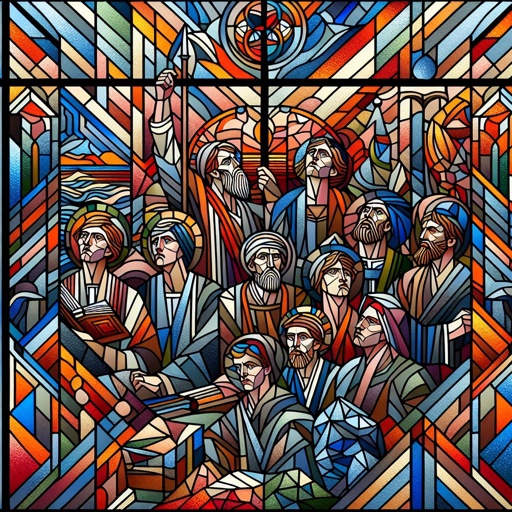
Psalms 115:2 - "Wherefore should the heathen say, Where is now their God?"
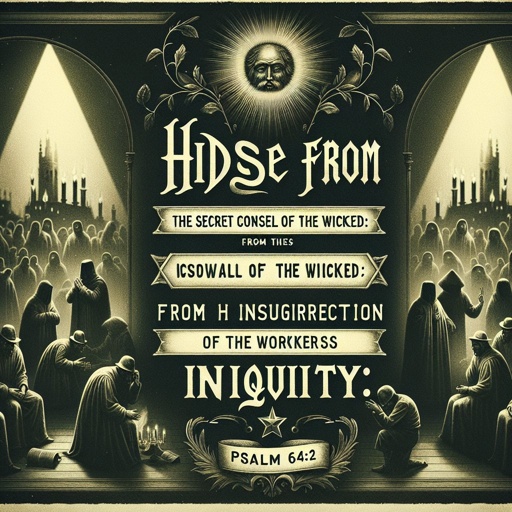
Psalms 64:2 - "Hide me from the secret counsel of the wicked; from the insurrection of the workers of iniquity:"

"Take a psalm, and bring hither the timbrel, the pleasant harp with the psaltery." - Psalms 81:2

Psalms 54:2 - "Hear my prayer, O God; give ear to the words of my mouth."

Psalms 149:2 - "Let Israel rejoice in him that made him: let the children of Zion be joyful in their King."

Psalms 5:2 - "Hearken unto the voice of my cry, my King, and my God: for unto thee will I pray."

Psalms 17:2 - "Let my sentence come forth from thy presence; let thine eyes behold the things that are equal."

"Both low and high, rich and poor, together." - Psalms 49:2

"Blessed be the name of the LORD from this time forth and for evermore." - Psalms 113:2

Psalms 133:2 - "It is like the precious ointment upon the head, that ran down upon the beard, even Aaron's beard: that went down to the skirts of his garments;"

Psalms 125:2 - "As the mountains are round about Jerusalem, so the LORD is round about his people from henceforth even for ever."

"Let Israel now say, that his mercy endureth for ever." - Psalms 118:2

Psalm 95:1-2 - "O come, let us sing unto the Lord: let us make a joyful noise to the rock of our salvation. Let us come before his presence with thanksgiving, and make a joyful noise unto him with psalms."