What does Psalms 110:1 mean?
"The LORD said unto my Lord, Sit thou at my right hand, until I make thine enemies thy footstool." - Psalms 110:1

The Bible verse Psalms 110:1 from the King James Version (KJV) states, "The Lord said unto my Lord, Sit thou at my right hand, until I make thine enemies thy footstool." This verse holds great significance in the context of the entire Bible and offers deep insight into the nature of God's sovereignty, the identity of Jesus Christ, and the ultimate victory of God's kingdom.
To fully understand the meaning of this verse, it is important to consider its historical and cultural context. The book of Psalms was written by King David, who was not only a powerful and respected ruler but also a devoted servant of God. David's psalms often reflect his personal experiences, his relationship with God, and his understanding of God's plan for his people. In this particular verse, David speaks of a conversation between the Lord (God) and "my Lord," who is traditionally understood to be a prophetic reference to Jesus Christ.
The verse opens with the declaration, "The Lord said unto my Lord, Sit thou at my right hand." This statement carries profound implications about the nature of Jesus and his relationship with God. Jesus is acknowledged as sitting at the right hand of God, a position of honor, authority, and power. The imagery of sitting at the right hand conveys the idea of royal privilege and divine favor, highlighting Jesus' exalted status as the Son of God and the Messiah.
The verse continues, "until I make thine enemies thy footstool." This line echoes the language of conquest and victory, drawing on the ancient Near Eastern tradition of a victorious king placing his foot on the necks of his defeated enemies. This imagery signifies the ultimate defeat and subjugation of all opposition to God's kingdom. It speaks to the triumph of righteousness and the establishment of God's reign over all the earth.
One of the key themes of this verse is the sovereignty of God. It emphasizes God's absolute authority and control over all things, including the destiny of humankind. The imagery of sitting at the right hand of God underscores the idea of divine rulership and the fulfillment of God's divine plan through Jesus Christ. It reaffirms the belief that God is the ultimate source of power and that all things are subject to his will.
Furthermore, the verse also points to the identity and mission of Jesus Christ. By referring to "my Lord," David prophetically acknowledges the exalted status of the Messiah. This verse is often cited in the New Testament as evidence of Jesus' divine authority and his role in God's plan of salvation. It serves as a testament to Jesus' kingship, his divine nature, and his ultimate victory over sin and death. This verse highlights the connection between the Old Testament prophecies and the fulfillment of God's promises in the person of Jesus Christ.
In addition to its theological significance, the symbolism in this verse is rich and multifaceted. The imagery of sitting at God's right hand conveys the image of divine favor, intimacy, and closeness to God. It portrays a position of honor and authority that reflects Jesus' exalted status as the Lord of all creation. The concept of enemies being made a footstool further emphasizes the idea of divine victory and the subjugation of all opposing forces to the authority of God.
In conclusion, Psalms 110:1 is a powerful and profound verse that encapsulates key theological themes and prophetic insights. It speaks to the sovereignty of God, the exalted status of Jesus Christ, and the ultimate triumph of God's kingdom. It serves as a reminder of God's absolute authority and his plan for the redemption of humanity through Jesus Christ. As believers, we can take comfort and reassurance in the timeless truths conveyed in this verse, knowing that God's purposes will ultimately prevail and that Jesus Christ reigns as the exalted Lord and Savior.
Have questions about Psalms 110:1?
Dive deeper into this scripture with Bible Chat — an AI-powered tool for exploring God's Word through conversation. Ask questions, get context, and grow in your understanding of the Bible.
Get Our Apps


Psalms 110:1 Artwork

Psalms 110:1 - "The LORD said unto my Lord, Sit thou at my right hand, until I make thine enemies thy footstool."

"The LORD said unto my Lord, Sit thou at my right hand, until I make thine enemies thy footstool." - Psalms 110:1

Psalm 110:1

Psalm 110:1

Psalm 110:1

Psalm 110:1

Psalm 110:1

Psalms 119:110 - "The wicked have laid a snare for me: yet I erred not from thy precepts."

Psalms 110:4 - "The LORD hath sworn, and will not repent, Thou art a priest for ever after the order of Melchizedek."

Psalms 110:7 - "He shall drink of the brook in the way: therefore shall he lift up the head."

Psalms 110:5 - "The Lord at thy right hand shall strike through kings in the day of his wrath."

Psalms 110:2 - "The LORD shall send the rod of thy strength out of Zion: rule thou in the midst of thine enemies."

Psalms 110:3 - "Thy people shall be willing in the day of thy power, in the beauties of holiness from the womb of the morning: thou hast the dew of thy youth."

Psalms 110:6 - "He shall judge among the heathen, he shall fill the places with the dead bodies; he shall wound the heads over many countries."

"The wicked have laid a snare for me: yet I erred not from thy precepts." - Psalms 119:110

"He shall judge among the heathen, he shall fill the places with the dead bodies; he shall wound the heads over many countries." - Psalms 110:6

"He shall drink of the brook in the way: therefore shall he lift up the head." - Psalms 110:7

"The LORD hath sworn, and will not repent, Thou art a priest for ever after the order of Melchizedek." - Psalms 110:4

"The Lord at thy right hand shall strike through kings in the day of his wrath." - Psalms 110:5

"The LORD shall send the rod of thy strength out of Zion: rule thou in the midst of thine enemies." - Psalms 110:2

"Thy people shall be willing in the day of thy power, in the beauties of holiness from the womb of the morning: thou hast the dew of thy youth." - Psalms 110:3
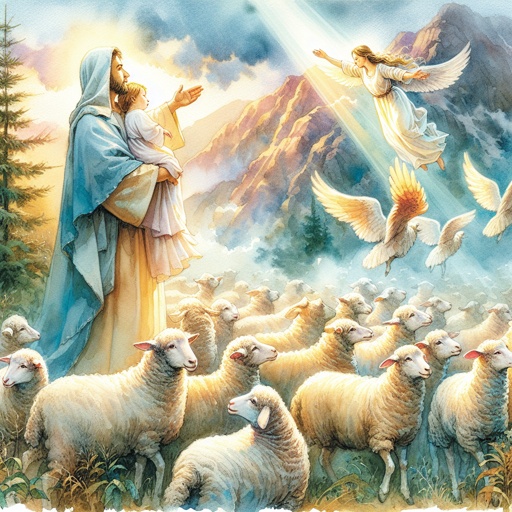
psalm 80:1-7

Psalms 128:1 - "Blessed is every one that feareth the LORD; that walketh in his ways."

Psalms 122:1 - "I was glad when they said unto me, Let us go into the house of the LORD."

Psalms 15:1 (KJVA) 1 A Psalm of David. LORD, who shall abide in thy tabernacle? who shall dwell in thy holy hill?

Psalms 15:1 (KJVA) 1 A Psalm of David. LORD, who shall abide in thy tabernacle? who shall dwell in thy holy hill?

Psalms 64:1 - "Hear my voice, O God, in my prayer: preserve my life from fear of the enemy."

Psalms 14:1 (KJVA) 1 To the chief Musician, A Psalm of David. The fool hath said in his heart, There is no God. They are corrupt, they have done abominable works, there is none that doeth good.

Psalms 14:1 (KJVA) 1 To the chief Musician, A Psalm of David. The fool hath said in his heart, There is no God. They are corrupt, they have done abominable works, there is none that doeth good.

Psalms 14:1 (KJVA) 1 To the chief Musician, A Psalm of David. The fool hath said in his heart, There is no God. They are corrupt, they have done abominable works, there is none that doeth good.