What does Psalms 109:6 mean?
"Set thou a wicked man over him: and let Satan stand at his right hand." - Psalms 109:6
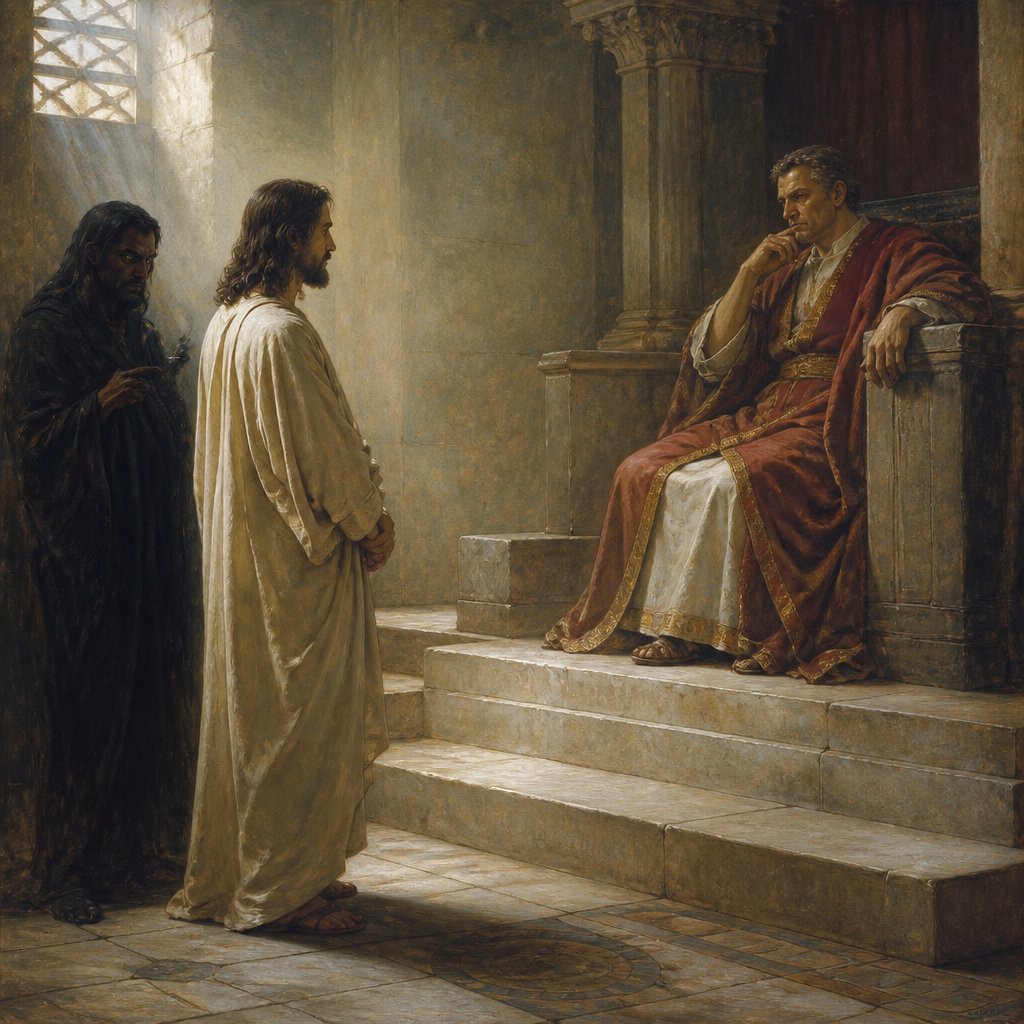
Psalms 109:6 in the King James Version of the Bible reads, "Set thou a wicked man over him: and let Satan stand at his right hand." This verse is part of a larger Psalm that is attributed to King David. The Psalms as a whole are a collection of poetic hymns, prayers, and songs that express a wide range of emotions and themes, including praise, thanksgiving, lament, and confession. In the case of Psalm 109, the tone is one of lament and imprecation, as the psalmist calls upon God to judge and punish his enemies.
In this particular verse, the psalmist is invoking a curse upon his enemy, asking God to set a wicked man over him and to let Satan stand at his right hand. This imagery is quite striking and might seem harsh or even violent to modern readers. However, it is important to understand the context and cultural background of the Psalm in order to interpret its meaning.
One of the key themes of Psalm 109 is the psalmist's plea for justice and vindication in the face of unjust treatment from his enemies. Throughout the Psalm, the psalmist describes the ways in which his enemies have betrayed and slandered him, and he calls upon God to bring judgment upon them. Importantly, the psalmist makes it clear that he has been falsely accused and persecuted, and he is asking for God's intervention on his behalf.
The imagery of setting a wicked man over the psalmist's enemy and letting Satan stand at his right hand is a vivid way of expressing the psalmist's desire for his enemy to face the consequences of their actions. It is a poetic way of calling for divine justice and retribution. The use of the term "Satan" in this verse is particularly striking, as it represents the embodiment of evil and opposition to God. By invoking Satan in this context, the psalmist is emphasizing the severity of the judgment he is calling for.
It's important to note that the Psalms are often highly figurative and poetic in nature, and not every line is meant to be taken literally. The use of strong language and imagery in Psalm 109 reflects the intense emotions of the psalmist and his urgent plea for God's intervention.
In a broader theological context, this verse can also be seen as a reflection of the biblical understanding of judgment and retribution. Throughout the Bible, there are numerous examples of God's judgment being called upon individuals or nations who have acted unjustly or oppressed others. The concept of divine judgment is an important theme in both the Old and New Testaments, and it is often linked to the idea of God's righteousness and justice.
From a symbolic perspective, the imagery of setting a wicked man over the psalmist's enemy and letting Satan stand at his right hand can be interpreted as a representation of the ultimate consequences of evil actions. It points to the biblical belief that those who act wickedly will ultimately face judgment and punishment, whether in this life or in the next.
Overall, Psalm 109:6 in the King James Version presents a powerful and evocative expression of the psalmist's plea for justice and vindication in the face of unjust treatment. While the imagery and language may be challenging for some modern readers, it is important to consider the cultural and theological context in which the Psalm was written. This verse serves as a reminder of the biblical understanding of divine judgment and retribution, and the psalmist's unyielding trust in God's righteousness and justice.
Have questions about Psalms 109:6?
Dive deeper into this scripture with Bible Chat — an AI-powered tool for exploring God's Word through conversation. Ask questions, get context, and grow in your understanding of the Bible.
Get Our Apps


Psalms 109:6 Artwork

Psalms 109:6 - "Set thou a wicked man over him: and let Satan stand at his right hand."
"Set thou a wicked man over him: and let Satan stand at his right hand." - Psalms 109:6
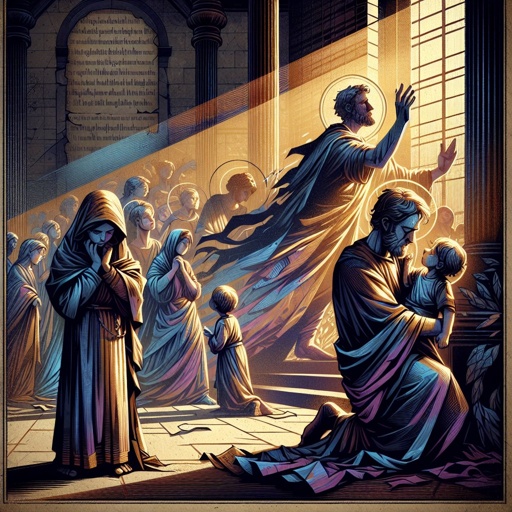
Psalms 109:9 - "Let his children be fatherless, and his wife a widow."

Psalms 109:1 - "Hold not thy peace, O God of my praise;"

Psalms 109:22 - "For I am poor and needy, and my heart is wounded within me."

Psalms 109:4 - "For my love they are my adversaries: but I give myself unto prayer."
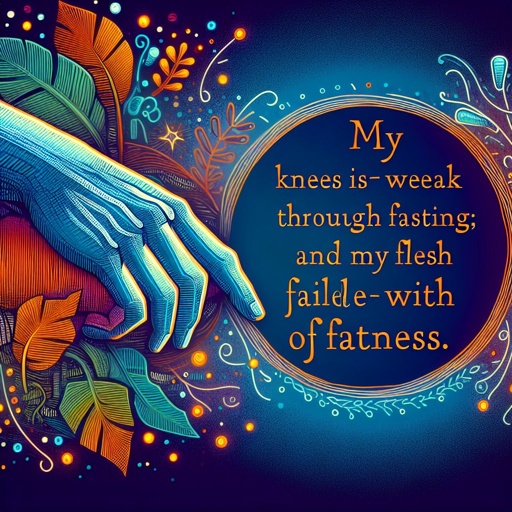
Psalms 109:24 - "My knees are weak through fasting; and my flesh faileth of fatness."

Psalms 109:8 - "Let his days be few; and let another take his office."

Psalms 109:5 - "And they have rewarded me evil for good, and hatred for my love."

Psalms 109:27 - "That they may know that this is thy hand; that thou, LORD, hast done it."

Psalms 109:11 - "Let the extortioner catch all that he hath; and let the strangers spoil his labour."

Psalms 119:109 - "My soul is continually in my hand: yet do I not forget thy law."

Psalms 109:13 - "Let his posterity be cut off; and in the generation following let their name be blotted out."

Psalms 109:26 - "Help me, O LORD my God: O save me according to thy mercy:"

Psalms 109:29 - "Let mine adversaries be clothed with shame, and let them cover themselves with their own confusion, as with a mantle."

Psalms 109:3 - "They compassed me about also with words of hatred; and fought against me without a cause."

Psalms 109:12 - "Let there be none to extend mercy unto him: neither let there be any to favour his fatherless children."

Psalms 109:15 - "Let them be before the LORD continually, that he may cut off the memory of them from the earth."
Psalms 109:7 - "When he shall be judged, let him be condemned: and let his prayer become sin."

Psalms 109:25 - "I became also a reproach unto them: when they looked upon me they shaked their heads."

Psalms 109:30 - "I will greatly praise the LORD with my mouth; yea, I will praise him among the multitude."
Psalms 109:14 - "Let the iniquity of his fathers be remembered with the LORD; and let not the sin of his mother be blotted out."

Psalms 109:19 - "Let it be unto him as the garment which covereth him, and for a girdle wherewith he is girded continually."

Psalms 109:20 - "Let this be the reward of mine adversaries from the LORD, and of them that speak evil against my soul."

"Help me, O LORD my God: O save me according to thy mercy:" - Psalms 109:26
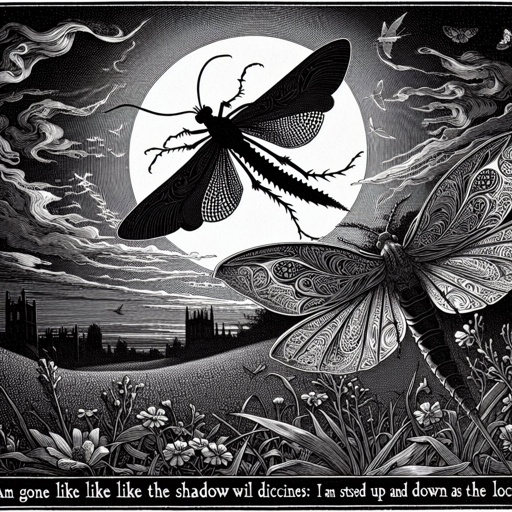
Psalms 109:23 - "I am gone like the shadow when it declineth: I am tossed up and down as the locust."

Psalms 109:2 - "For the mouth of the wicked and the mouth of the deceitful are opened against me: they have spoken against me with a lying tongue."

Psalms 109:31 - "For he shall stand at the right hand of the poor, to save him from those that condemn his soul."

Psalms 109:10 - "Let his children be continually vagabonds, and beg: let them seek their bread also out of their desolate places."

"Let mine adversaries be clothed with shame, and let them cover themselves with their own confusion, as with a mantle." - Psalms 109:29