What does Psalms 106:27 mean?
"To overthrow their seed also among the nations, and to scatter them in the lands." - Psalms 106:27
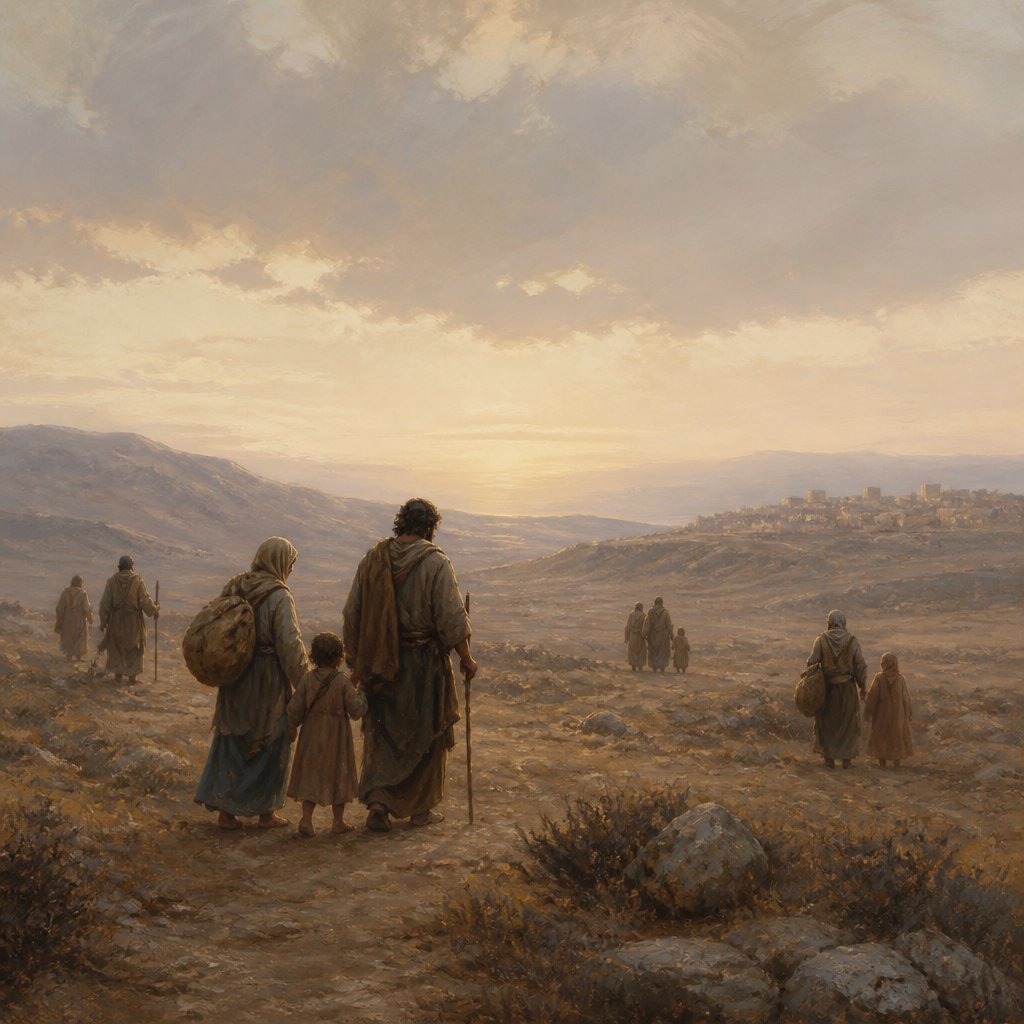
Psalms 106:27 (KJV) states, "To overthrow their seed also among the nations, and to scatter them in the lands." This verse comes from a longer passage in Psalm 106 that recounts the history of the Israelites and their repeated disobedience to God. The psalmist reflects on the ways in which the Israelites strayed from God's commandments, and the consequences that followed their actions.
To understand the deeper meaning of this verse, it is important to consider the historical and cultural context in which it was written. The Psalm is attributed to David, who was not only the king of Israel but also a poet and musician. This particular Psalm reflects on the history of Israel, from the time of their deliverance from Egypt to their settlement in the Promised Land. The Psalmist recounts the ways in which the Israelites repeatedly turned away from God, and the consequences they faced as a result.
In Psalm 106:27, the Psalmist is acknowledging the punishment that the Israelites faced for their disobedience. The phrase "to overthrow their seed also among the nations, and to scatter them in the lands" refers to the Israelites being dispersed among the nations as a result of their rebellion against God. This dispersal is often understood as the Babylonian exile, during which the Israelites were taken captive and forced to live in a foreign land.
One of the key themes of this verse is the concept of judgment and consequences for disobedience. Throughout the Psalm, the Psalmist reflects on the ways in which God responded to the Israelites' disobedience with judgment. This reflects the broader biblical theme of God as a just and righteous judge, who holds his people accountable for their actions.
Another significant theme in this verse is the idea of exile and dispersion. The Israelites' scattering among the nations is a recurring theme in the Old Testament, and it is often seen as a consequence of their failure to obey God's commandments. This theme of exile and dispersion is not only a historical reality for the Israelites but also a metaphor for the spiritual consequences of sin and disobedience.
In addition to these themes, this verse also contains symbolism that is significant in the biblical narrative. The idea of being scattered among the nations can be seen as a symbol of the Israelites' spiritual distance from God. This dispersal represents the separation and alienation that comes from turning away from God and his commandments.
Overall, Psalm 106:27 is a reflection on the consequences of disobedience and the ways in which God judges his people. It speaks to the historical reality of the Israelites' exile and dispersion, as well as the broader spiritual consequences of sin and rebellion. This verse serves as a reminder of the importance of obedience and faithfulness to God, as well as the sobering reality of judgment for those who turn away from him.
Have questions about Psalms 106:27?
Dive deeper into this scripture with Bible Chat — an AI-powered tool for exploring God's Word through conversation. Ask questions, get context, and grow in your understanding of the Bible.
Get Our Apps


Psalms 106:27 Artwork

Psalms 106:27 - "To overthrow their seed also among the nations, and to scatter them in the lands."
"To overthrow their seed also among the nations, and to scatter them in the lands." - Psalms 106:27

"Then believed they his words; they sang his praise." - Psalms 106:12

"Yea, they sacrificed their sons and their daughters unto devils," - Psalms 106:37

"They soon forgat his works; they waited not for his counsel:" - Psalms 106:13

"Thus they changed their glory into the similitude of an ox that eateth grass." - Psalms 106:20

"They envied Moses also in the camp, and Aaron the saint of the LORD." - Psalms 106:16

"Yea, they despised the pleasant land, they believed not his word:" - Psalms 106:24

"And he gave them their request; but sent leanness into their soul." - Psalms 106:15

"They did not destroy the nations, concerning whom the LORD commanded them:" - Psalms 106:34

Psalms 106:19 - "They made a calf in Horeb, and worshipped the molten image."

Psalms 106:14 - "But lusted exceedingly in the wilderness, and tempted God in the desert."

Psalms 106:35 - "But were mingled among the heathen, and learned their works."

"Wondrous works in the land of Ham, and terrible things by the Red sea." - Psalms 106:22

"The earth opened and swallowed up Dathan, and covered the company of Abiram." - Psalms 106:17

Psalms 106:37 - "Yea, they sacrificed their sons and their daughters unto devils,"

Psalms 106:11 - "And the waters covered their enemies: there was not one of them left."

Psalms 106:12 - "Then believed they his words; they sang his praise."

Psalms 106:25 - "But murmured in their tents, and hearkened not unto the voice of the LORD."

Psalms 106:20 - "Thus they changed their glory into the similitude of an ox that eateth grass."

Psalms 106:13 - "They soon forgat his works; they waited not for his counsel:"

Psalms 106:36 - "And they served their idols: which were a snare unto them."

"Then stood up Phinehas, and executed judgment: and so the plague was stayed." - Psalms 106:30

"They forgat God their saviour, which had done great things in Egypt;" - Psalms 106:21

Psalms 106:16 - "They envied Moses also in the camp, and Aaron the saint of the LORD."

Psalms 106:18 - "And a fire was kindled in their company; the flame burned up the wicked."

Psalms 106:15 - "And he gave them their request; but sent leanness into their soul."

Psalms 106:24 - "Yea, they despised the pleasant land, they believed not his word:"

"They joined themselves also unto Baal-peor, and ate the sacrifices of the dead." - Psalms 106:28

Psalms 106:31 - "And that was counted unto him for righteousness unto all generations for evermore."