What does Psalms 106:18 mean?
"And a fire was kindled in their company; the flame burned up the wicked." - Psalms 106:18
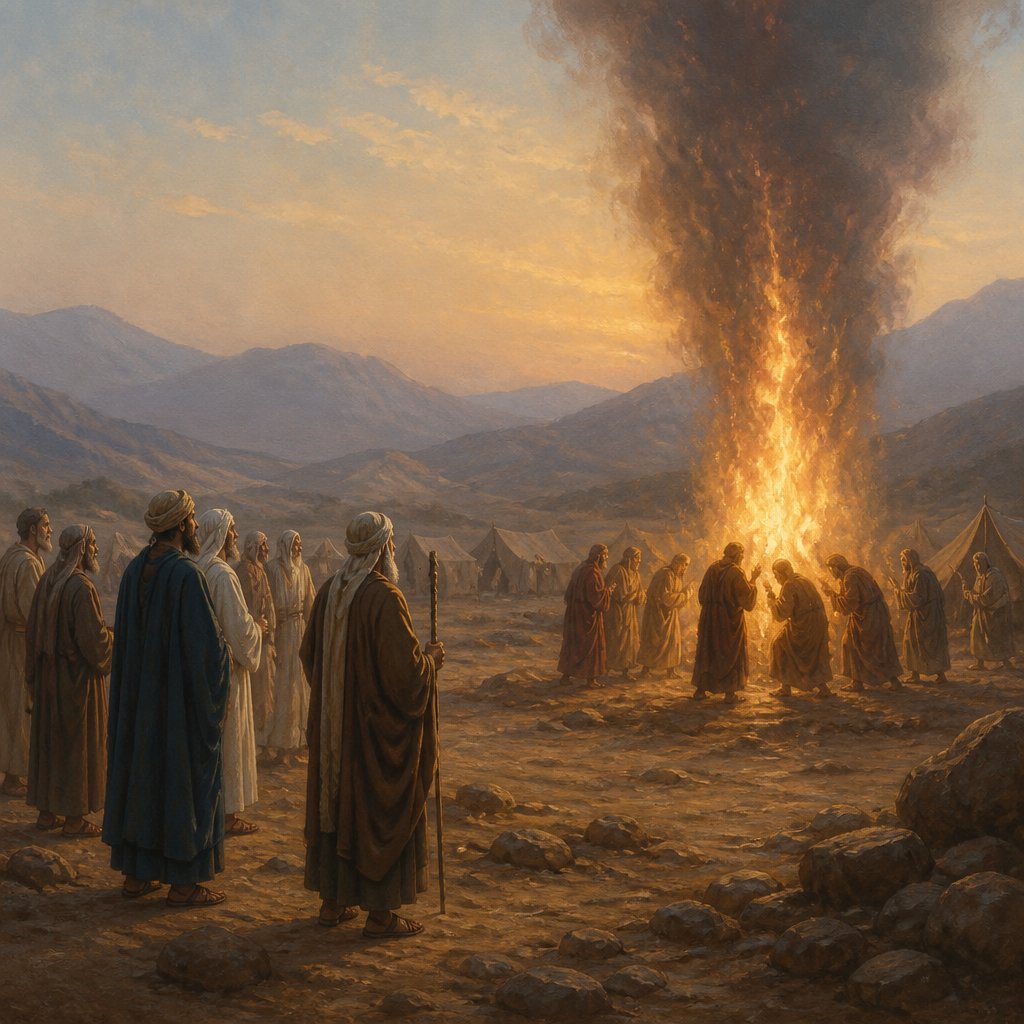
Psalms 106:18 (KJV) reads: "And a fire was kindled in their company; the flame burned up the wicked."
This verse is part of a larger passage that recollects the history of Israel and their rebellion against God. It specifically references the incident in the book of Numbers when some of the Israelites, led by Dathan and Abiram, rebelled against the leadership of Moses and Aaron. The verse expresses the consequence of their rebellion, with a fire being kindled and burning up the wicked.
At its core, this verse serves as a warning against disobedience and rebellion towards God. The imagery of fire is often used in the Bible to represent God's judgment and purification. In this context, the fire serves as a symbol of God's wrath against sin and disobedience. It is a reminder that those who oppose God and act wickedly will ultimately face His judgment.
The theme of obedience and disobedience is prevalent throughout the Bible, and this verse reinforces the consequences of the latter. The Israelites' rebellion and its aftermath serve as a cautionary tale for future generations, reminding them of the importance of following God's will and walking in obedience.
In a broader sense, this verse also speaks to the nature of God as a holy and righteous judge. It emphasizes the idea that God will not tolerate sin and wickedness, but will ultimately deal justly with those who oppose Him. This serves as a comfort for the righteous, knowing that God will ultimately bring justice and judgment against the wicked.
The historical context of this verse provides a deeper understanding of its meaning. The Israelites were a chosen people, rescued from slavery in Egypt by God's miraculous intervention. Despite experiencing God's faithfulness and provision, they continued to rebel and disobey Him, resulting in various consequences. The incident referenced in this verse is just one of many examples of the Israelites' disobedience and God's subsequent judgment.
The symbolism of fire in this verse is significant. Fire is often associated with purification and judgment in the Bible. In this context, it symbolizes the purging and consuming of wickedness. It serves as a reminder that God's judgment is all-consuming and ultimate, and that no one can escape it.
This verse can also be applied to personal and spiritual contexts. It serves as a reminder of the consequences of rebellion and sin. It encourages believers to walk in obedience and to heed the warnings of Scripture. It also reassures them that God is just and will ultimately bring judgment and justice against the wicked.
In summary, Psalms 106:18 (KJV) is a powerful verse that warns against disobedience and rebellion towards God. It serves as a reminder of the consequences of sin and the ultimate judgment of God. It also emphasizes the importance of obedience and faithfulness to God. The historical context and symbolism of fire further enrich the meaning of this verse, making it a timeless and relevant reminder for believers today.
Have questions about Psalms 106:18?
Dive deeper into this scripture with Bible Chat — an AI-powered tool for exploring God's Word through conversation. Ask questions, get context, and grow in your understanding of the Bible.
Get Our Apps


Psalms 106:18 Artwork

Psalms 106:18 - "And a fire was kindled in their company; the flame burned up the wicked."
"And a fire was kindled in their company; the flame burned up the wicked." - Psalms 106:18

"Then believed they his words; they sang his praise." - Psalms 106:12

"Yea, they sacrificed their sons and their daughters unto devils," - Psalms 106:37

"They soon forgat his works; they waited not for his counsel:" - Psalms 106:13

"Thus they changed their glory into the similitude of an ox that eateth grass." - Psalms 106:20

"They envied Moses also in the camp, and Aaron the saint of the LORD." - Psalms 106:16

"Yea, they despised the pleasant land, they believed not his word:" - Psalms 106:24

"And he gave them their request; but sent leanness into their soul." - Psalms 106:15

"They did not destroy the nations, concerning whom the LORD commanded them:" - Psalms 106:34

Psalms 106:14 - "But lusted exceedingly in the wilderness, and tempted God in the desert."

Psalms 106:19 - "They made a calf in Horeb, and worshipped the molten image."

Psalms 106:35 - "But were mingled among the heathen, and learned their works."

"Wondrous works in the land of Ham, and terrible things by the Red sea." - Psalms 106:22

"The earth opened and swallowed up Dathan, and covered the company of Abiram." - Psalms 106:17

Psalms 106:37 - "Yea, they sacrificed their sons and their daughters unto devils,"

Psalms 106:12 - "Then believed they his words; they sang his praise."

Psalms 106:11 - "And the waters covered their enemies: there was not one of them left."

Psalms 106:25 - "But murmured in their tents, and hearkened not unto the voice of the LORD."

Psalms 106:20 - "Thus they changed their glory into the similitude of an ox that eateth grass."

Psalms 106:13 - "They soon forgat his works; they waited not for his counsel:"

Psalms 106:36 - "And they served their idols: which were a snare unto them."

"Then stood up Phinehas, and executed judgment: and so the plague was stayed." - Psalms 106:30

"They forgat God their saviour, which had done great things in Egypt;" - Psalms 106:21

Psalms 106:16 - "They envied Moses also in the camp, and Aaron the saint of the LORD."

Psalms 106:15 - "And he gave them their request; but sent leanness into their soul."

Psalms 106:24 - "Yea, they despised the pleasant land, they believed not his word:"

"They joined themselves also unto Baal-peor, and ate the sacrifices of the dead." - Psalms 106:28

Psalms 106:31 - "And that was counted unto him for righteousness unto all generations for evermore."

Psalms 106:30 - "Then stood up Phinehas, and executed judgment: and so the plague was stayed."