What does Proverbs 9:7 mean?
"He that reproveth a scorner getteth to himself shame: and he that rebuketh a wicked man getteth himself a blot." - Proverbs 9:7
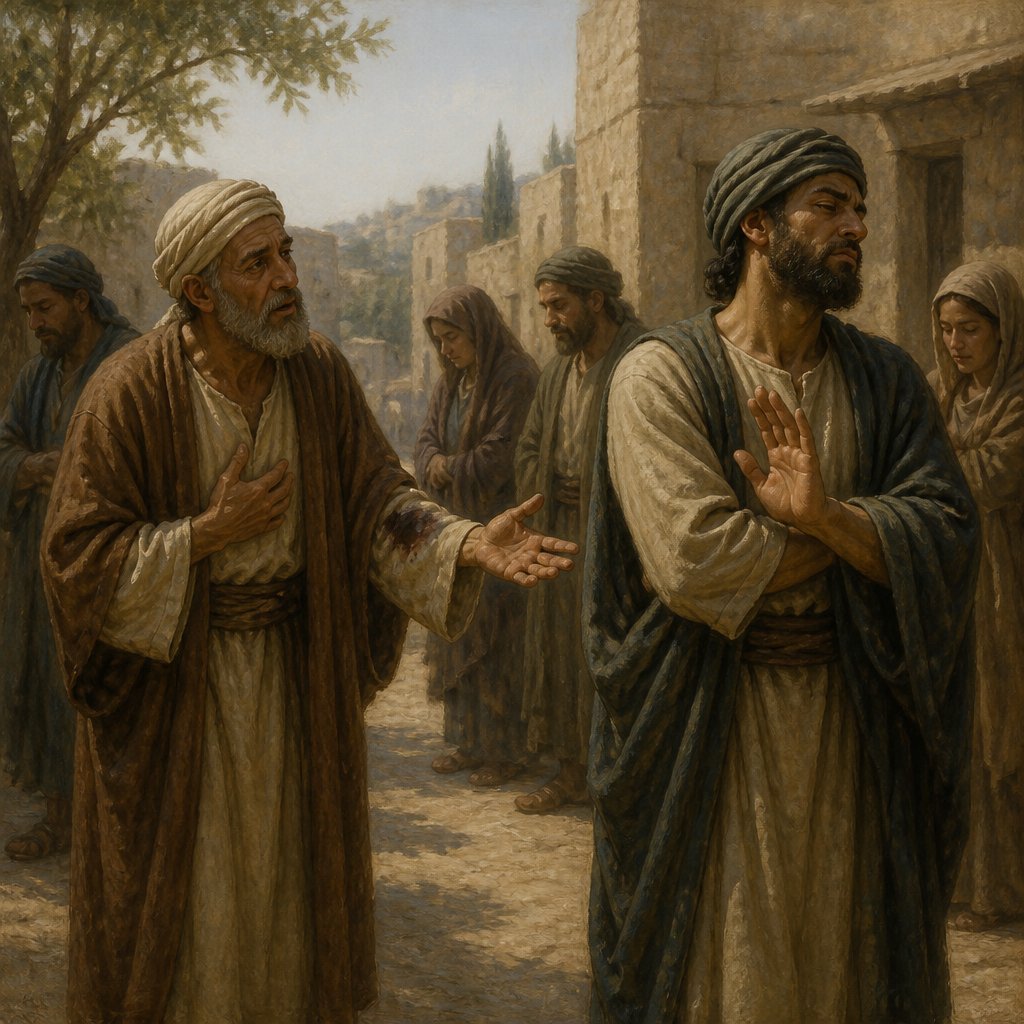
Proverbs 9:7 in the King James Version of the Bible states, "He that reproveth a scorner getteth to himself shame: and he that rebuketh a wicked man getteth himself a blot." This verse speaks to the concept of addressing and dealing with those who are openly disdainful and disrespectful of wisdom and righteousness, and those who have chosen a path of wickedness.
In this verse, the scorner and the wicked man represent individuals who have rejected wisdom and have chosen to disregard moral and ethical principles. The verse begins with the statement, "He that reproveth a scorner getteth to himself shame." This warns against the futility of trying to reason with someone who is determined to disregard and mock wisdom. The act of reproving or correcting the scorner is futile and only brings shame upon the person attempting to do so. The scorner will not respond positively to correction but will instead heap shame and ridicule on the person attempting to offer advice or guidance.
The second part of the verse states, "and he that rebuketh a wicked man getteth himself a blot." This further emphasizes the futility of trying to correct someone who has chosen a path of wickedness. The rebuke of a wicked person only brings a stain or blemish upon the person offering the rebuke. It is an acknowledgment that the wicked person is unlikely to heed the rebuke and will only bring harm to the one trying to correct them.
In a broader context, Proverbs 9:7 addresses the limitations of attempting to reason with those who are committed to foolishness and are set on a course of wickedness. It serves as a caution against expending energy and effort in trying to change the minds of those who have already made up their own. It also highlights the reality that attempting to correct or reprove a scorner or a wicked person can ultimately bring shame and harm to the individual trying to do so.
The themes present in Proverbs 9:7 include the importance of discernment when choosing who to speak to and offer guidance or correction, as well as the futility of trying to influence those who have closed themselves off to wisdom and righteousness. The verse emphasizes the need for wisdom and prudence in relationships and interactions with others, and the understanding that not everyone will be receptive to correction or guidance.
In addition to the themes present in the verse, there is also a deeper symbolism that can be inferred. The scorner and the wicked person can be seen as representative of the broader concept of sin and wickedness. In this interpretation, the verse serves as a caution against engaging with or trying to correct the ways of those who have chosen to embrace sin and disobedience. It highlights the need for discernment in choosing when and where to offer guidance and correction, and the understanding that not everyone will be open to receiving it.
Overall, Proverbs 9:7 offers a valuable insight into the limitations of attempting to reason with those who have chosen to reject wisdom and embrace wickedness. It serves as a reminder of the need for discernment and prudence in our interactions with others, and the importance of recognizing when it may be futile to try and offer guidance or correction.
Have questions about Proverbs 9:7?
Dive deeper into this scripture with Bible Chat — an AI-powered tool for exploring God's Word through conversation. Ask questions, get context, and grow in your understanding of the Bible.
Get Our Apps


Proverbs 9:7 Artwork

Proverbs 9:7 - "He that reproveth a scorner getteth to himself shame: and he that rebuketh a wicked man getteth himself a blot."
"He that reproveth a scorner getteth to himself shame: and he that rebuketh a wicked man getteth himself a blot." - Proverbs 9:7

Proverbs 7:9 - "In the twilight, in the evening, in the black and dark night:"

"In the twilight, in the evening, in the black and dark night:" - Proverbs 7:9

please create a Christmas card for a 7 year old kid to explain Proverbs 22:9.

Proverbs 22:9

Proverbs 7:26

Proverbs 11:7

proverbs 21 7

Proverbs 3:9-10

Proverbs 7:26-27

Proverbs 9:9 - "Give instruction to a wise man, and he will be yet wiser: teach a just man, and he will increase in learning."

Proverbs 7:7 - "And beheld among the simple ones, I discerned among the youths, a young man void of understanding,"

Proverbs 9:15 - "To call passengers who go right on their ways:"

Proverbs 6:7 - "Which having no guide, overseer, or ruler,"

Proverbs 24:9 - "The thought of foolishness is sin: and the scorner is an abomination to men."

Proverbs 9:6 - "Forsake the foolish, and live; and go in the way of understanding."

Proverbs 9:13 - "A foolish woman is clamorous: she is simple, and knoweth nothing."

Proverbs 7:19 - "For the goodman is not at home, he is gone a long journey:"

Proverbs 14:9 - "Fools make a mock at sin: but among the righteous there is favour."

Proverbs 9:10 - "The fear of the LORD is the beginning of wisdom: and the knowledge of the holy is understanding."

Proverbs 9:17 - "Stolen waters are sweet, and bread eaten in secret is pleasant."

Proverbs 9:18 - "But he knoweth not that the dead are there; and that her guests are in the depths of hell."

Proverbs 12:7 - "The wicked are overthrown, and are not: but the house of the righteous shall stand."

Proverbs 3:9 - "Honour the LORD with thy substance, and with the firstfruits of all thine increase:"

Proverbs 13:9 - "The light of the righteous rejoiceth: but the lamp of the wicked shall be put out."

Proverbs 8:9 - "They are all plain to him that understandeth, and right to them that find knowledge."

Proverbs 23:9 - "Speak not in the ears of a fool: for he will despise the wisdom of thy words."

Proverbs 22:7 - "The rich ruleth over the poor, and the borrower is servant to the lender."

Proverbs 26:7 - "The legs of the lame are not equal: so is a parable in the mouth of fools."