What does Proverbs 9:12 mean?
"If thou be wise, thou shalt be wise for thyself: but if thou scornest, thou alone shalt bear it." - Proverbs 9:12

Proverbs 9:12 in the King James Version of the Bible reads: "If thou be wise, thou shalt be wise for thyself: but if thou scornest, thou alone shalt bear it."
This verse is found in the book of Proverbs, which is a collection of wise sayings and advice attributed to King Solomon. Proverbs is a book that focuses on practical wisdom for daily living and offers guidance on topics such as relationships, work, and moral behavior.
The verse itself is part of a larger passage in which Wisdom and Folly are personified as two women. Throughout Proverbs, wisdom is personified as a virtuous and wise woman, while folly is depicted as a seductive and foolish woman. In this particular passage, Wisdom and Folly are both portrayed as hosting feasts and calling out to the simple and naive to come and partake of their offerings. The verse in question is part of the invitation from Wisdom, who promises that those who heed her counsel will be wise for themselves, but those who reject it will bear the consequences alone.
One of the key themes of this verse is personal responsibility. It emphasizes that each individual is responsible for their own actions and decisions. If someone chooses wisdom, they will reap the benefits, but if they scorn it, they will suffer the consequences. This speaks to the idea that wisdom and foolishness are choices that individuals make, and they must accept the results of those choices.
The verse also highlights the internal nature of wisdom. It states that being wise is for oneself, suggesting that wisdom is an internal quality that benefits the individual who possesses it. This aligns with the broader themes present in the book of Proverbs, which stresses the importance of wisdom as a personal virtue that brings success, prosperity, and favor from God.
The contrast between wisdom and scorn is also significant in this verse. To scorn something means to reject or treat it with contempt. The verse warns that those who scorn wisdom will bear the consequences alone. This serves as a reminder of the potential negative consequences of rejecting wisdom and making foolish choices. It also reinforces the idea that wisdom is valuable and should be sought after and embraced.
Symbolically, the verse can be understood as representing the ongoing struggle between good and evil, wisdom and folly. The personification of Wisdom and Folly as women offering feasts can be seen as a metaphor for the choices that individuals face in life. The verse encourages the reader to choose the path of wisdom and righteousness, rather than succumbing to the temptations of folly and sin.
In the broader context of the book of Proverbs, this verse is part of a larger collection of wise sayings that offer practical advice for living a righteous and fulfilling life. It is a reminder of the importance of seeking and embracing wisdom, and the potential consequences of rejecting it.
In conclusion, Proverbs 9:12 offers valuable insights into the nature of wisdom, personal responsibility, and the consequences of choices. It encourages the reader to seek wisdom, embrace it, and accept the benefits that come from making wise decisions. At the same time, it warns against the dangers of rejecting wisdom and making foolish choices. This verse continues to serve as a timeless and relevant guide for living a virtuous and wise life.
Have questions about Proverbs 9:12?
Dive deeper into this scripture with Bible Chat — an AI-powered tool for exploring God's Word through conversation. Ask questions, get context, and grow in your understanding of the Bible.
Get Our Apps


Proverbs 9:12 Artwork
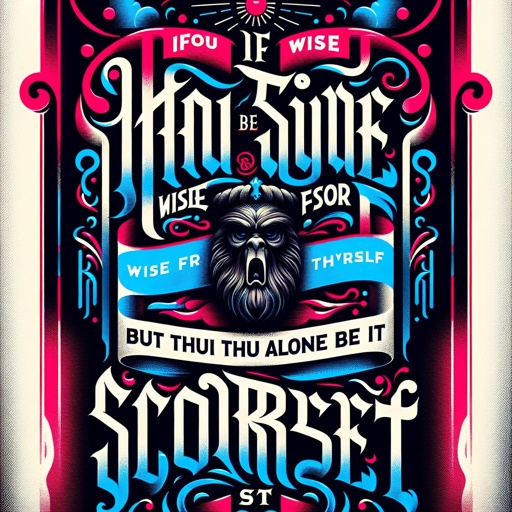
Proverbs 9:12 - "If thou be wise, thou shalt be wise for thyself: but if thou scornest, thou alone shalt bear it."

"If thou be wise, thou shalt be wise for thyself: but if thou scornest, thou alone shalt bear it." - Proverbs 9:12

prov 9:12

Proverbs 12:9 - "He that is despised, and hath a servant, is better than he that honoureth himself, and lacketh bread."

Ecclesiastes 12:9 - "And moreover, because the preacher was wise, he still taught the people knowledge; yea, he gave good heed, and sought out, and set in order many proverbs."
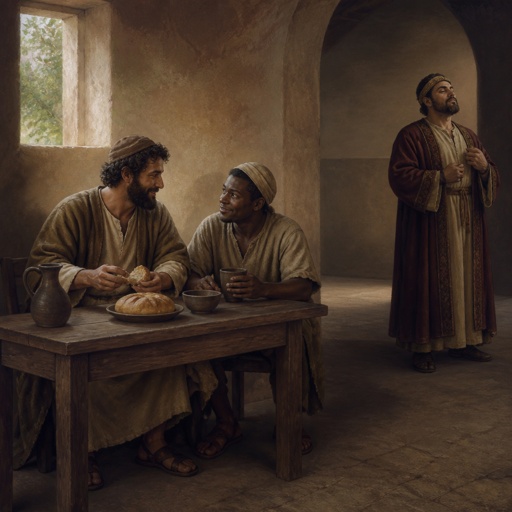
"He that is despised, and hath a servant, is better than he that honoureth himself, and lacketh bread." - Proverbs 12:9

proverbs 5:12

proverbs 5:12

Proverbs 12:5

Proverbs 22:9

Proverbs 12:12 - "The wicked desireth the net of evil men: but the root of the righteous yieldeth fruit."

proverbs 5:11-12

proverbs 5:11-12

Proverbs 3:9-10

Proverbs 9:9 - "Give instruction to a wise man, and he will be yet wiser: teach a just man, and he will increase in learning."

Proverbs 7:9 - "In the twilight, in the evening, in the black and dark night:"

Proverbs 12:5 - "The thoughts of the righteous are right: but the counsels of the wicked are deceit."

Proverbs 12:7 - "The wicked are overthrown, and are not: but the house of the righteous shall stand."

Proverbs 12:28 - "In the way of righteousness is life; and in the pathway thereof there is no death."

Proverbs 9:15 - "To call passengers who go right on their ways:"

Proverbs 24:9 - "The thought of foolishness is sin: and the scorner is an abomination to men."

Proverbs 9:6 - "Forsake the foolish, and live; and go in the way of understanding."

Proverbs 16:12 - "It is an abomination to kings to commit wickedness: for the throne is established by righteousness."

Proverbs 6:12 - "¶ A naughty person, a wicked man, walketh with a froward mouth."

Proverbs 29:12 - "If a ruler hearken to lies, all his servants are wicked."

Proverbs 12:18 - "There is that speaketh like the piercings of a sword: but the tongue of the wise is health."

Proverbs 9:13 - "A foolish woman is clamorous: she is simple, and knoweth nothing."

Proverbs 14:9 - "Fools make a mock at sin: but among the righteous there is favour."

Proverbs 9:10 - "The fear of the LORD is the beginning of wisdom: and the knowledge of the holy is understanding."

Proverbs 9:17 - "Stolen waters are sweet, and bread eaten in secret is pleasant."