What does Proverbs 7:9 mean?
"In the twilight, in the evening, in the black and dark night:" - Proverbs 7:9
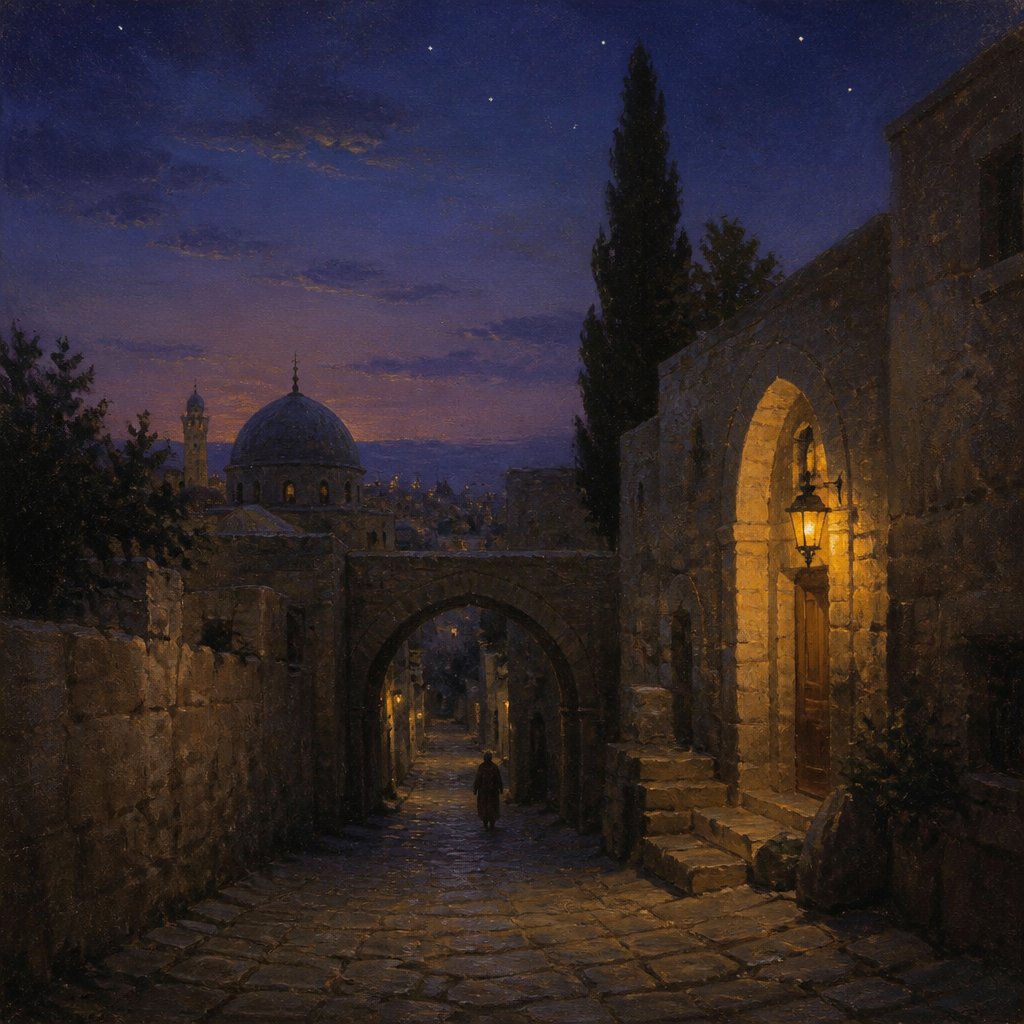
Proverbs 7:9 (KJV) states, "In the twilight, in the evening, in the black and dark night." This verse is part of a larger passage in the Book of Proverbs that warns against the dangers of adultery and the seduction of an immoral woman. In order to fully understand the meaning and context of this verse, it is important to examine its implications within the larger narrative of the passage as well as its symbolic and thematic significance.
The book of Proverbs is a collection of wise sayings and instructions for righteous living, traditionally attributed to King Solomon. The overarching theme of Proverbs is the pursuit of wisdom, righteousness, and a God-fearing life. Throughout the book, the contrast between wisdom and folly, righteousness and wickedness, is a recurring motif that serves as a guide for the reader in making virtuous choices.
In Proverbs 7, the passage leading up to verse 9 depicts a young man being seduced by an immoral woman. The woman is described as cunning and persuasive, using her beauty and flattery to lead the young man astray. The imagery of twilight, evening, blackness, and darkness in verse 9 serves as a metaphor for the setting of this seductive encounter. The darkness symbolizes the moral and spiritual blindness of the young man, who is lured into sin and disobedience.
The verse also conveys a sense of foreboding and danger, as the darkness of night is traditionally associated with evil and deceit. It serves as a warning to the reader about the deceptive nature of sin and the allure of temptation. The use of twilight and evening further emphasizes the gradual nature of the seduction, as the young man is gradually drawn into the darkness of immorality.
From a thematic perspective, Proverbs 7:9 is also a reminder of the importance of vigilance and discernment in the face of temptation. The darkness of night represents the spiritual dangers that lurk in the shadows, waiting to ensnare those who are not grounded in wisdom and righteousness. The verse encourages the reader to be cautious and aware of the influences that seek to lead them astray, and to seek the light of God's truth as their guide.
Additionally, Proverbs 7:9 can be interpreted as a call to self-examination and introspection. The darkness and deception described in the verse can be seen as a reflection of the inner struggles and temptations that each individual faces. It serves as a reminder to be mindful of our own weaknesses and to guard against the temptations that threaten to lead us away from the path of righteousness.
In conclusion, Proverbs 7:9 is a powerful and evocative verse that conveys a message of caution, warning, and encouragement. Its imagery and symbolism serve to illustrate the dangers of moral and spiritual compromise, and the importance of remaining vigilant and discerning in the face of temptation. The verse ultimately reinforces the overarching themes of wisdom, righteousness, and the pursuit of a God-fearing life that are central to the book of Proverbs. As readers, we are reminded of the need to remain steadfast in our faith, and to seek the light of God's truth in the midst of the darkness that surrounds us.
Have questions about Proverbs 7:9?
Dive deeper into this scripture with Bible Chat — an AI-powered tool for exploring God's Word through conversation. Ask questions, get context, and grow in your understanding of the Bible.
Get Our Apps


Proverbs 7:9 Artwork

Proverbs 7:9 - "In the twilight, in the evening, in the black and dark night:"
"In the twilight, in the evening, in the black and dark night:" - Proverbs 7:9

Proverbs 9:7 - "He that reproveth a scorner getteth to himself shame: and he that rebuketh a wicked man getteth himself a blot."

please create a Christmas card for a 7 year old kid to explain Proverbs 22:9.
"He that reproveth a scorner getteth to himself shame: and he that rebuketh a wicked man getteth himself a blot." - Proverbs 9:7

Proverbs 22:9

Proverbs 7:26

Proverbs 11:7

proverbs 21 7

Proverbs 3:9-10

Proverbs 7:26-27

Proverbs 9:9 - "Give instruction to a wise man, and he will be yet wiser: teach a just man, and he will increase in learning."

Proverbs 7:7 - "And beheld among the simple ones, I discerned among the youths, a young man void of understanding,"

Proverbs 9:15 - "To call passengers who go right on their ways:"

Proverbs 6:7 - "Which having no guide, overseer, or ruler,"

Proverbs 24:9 - "The thought of foolishness is sin: and the scorner is an abomination to men."

Proverbs 9:6 - "Forsake the foolish, and live; and go in the way of understanding."

Proverbs 9:13 - "A foolish woman is clamorous: she is simple, and knoweth nothing."

Proverbs 7:19 - "For the goodman is not at home, he is gone a long journey:"

Proverbs 14:9 - "Fools make a mock at sin: but among the righteous there is favour."

Proverbs 9:10 - "The fear of the LORD is the beginning of wisdom: and the knowledge of the holy is understanding."

Proverbs 9:18 - "But he knoweth not that the dead are there; and that her guests are in the depths of hell."

Proverbs 9:17 - "Stolen waters are sweet, and bread eaten in secret is pleasant."

Proverbs 12:7 - "The wicked are overthrown, and are not: but the house of the righteous shall stand."

Proverbs 3:9 - "Honour the LORD with thy substance, and with the firstfruits of all thine increase:"

Proverbs 13:9 - "The light of the righteous rejoiceth: but the lamp of the wicked shall be put out."

Proverbs 8:9 - "They are all plain to him that understandeth, and right to them that find knowledge."

Proverbs 23:9 - "Speak not in the ears of a fool: for he will despise the wisdom of thy words."

Proverbs 22:7 - "The rich ruleth over the poor, and the borrower is servant to the lender."

Proverbs 26:7 - "The legs of the lame are not equal: so is a parable in the mouth of fools."