What does Proverbs 6:1-5 mean?
"My son, if thou be surety for thy friend, if thou hast stricken thy hand with a stranger, Thou art snared with the words of thy mouth, thou art taken with the words of thy mouth. Do this now, my son, and deliver thyself, when thou art come into the hand of thy friend; go, humble thyself, and make sure thy friend. Give not sleep to thine eyes, nor slumber to thine eyelids. Deliver thyself as a roe from the hand of the hunter, and as a bird from the hand of the fowler." - Proverbs 6:1-5
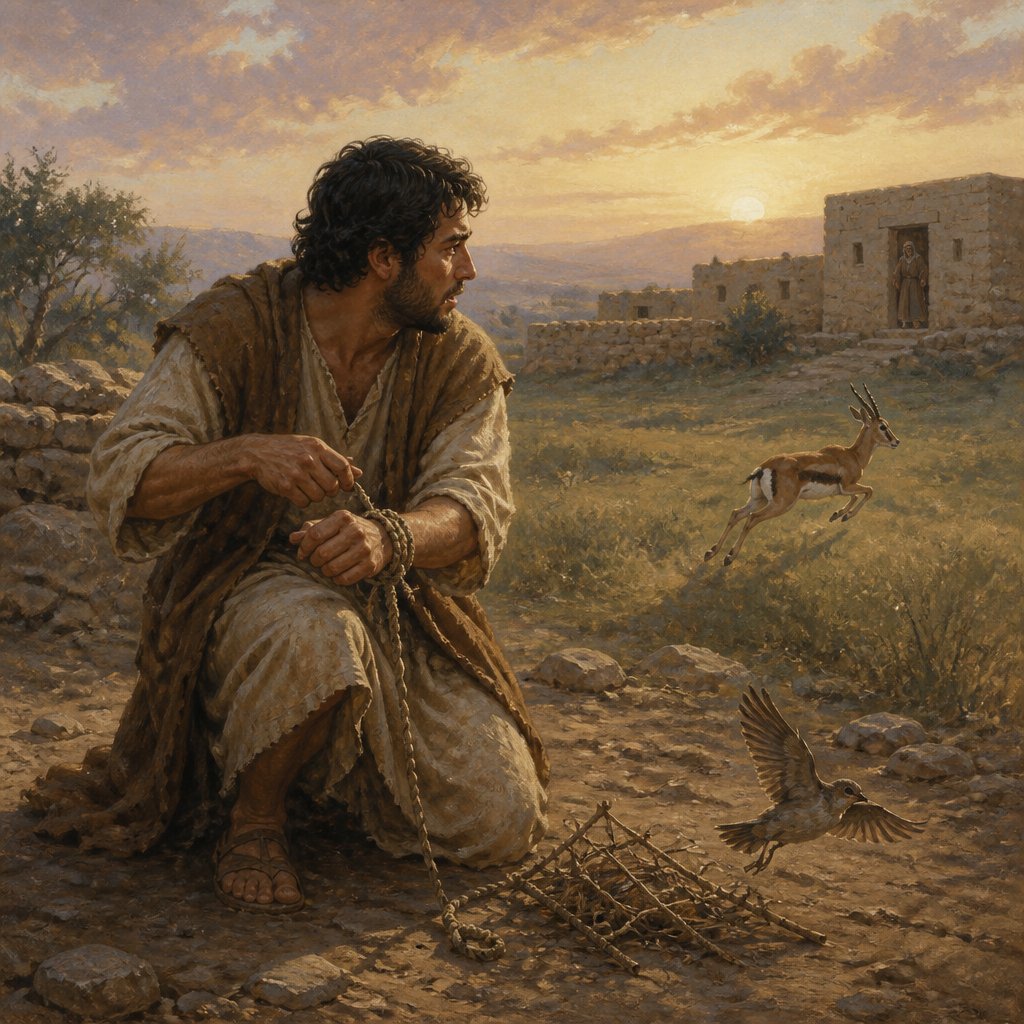
Proverbs 6:1-5 in the King James Version of the Bible reads:
1 My son, if thou be surety for thy friend, if thou hast stricken thy hand with a stranger,
2 Thou art snared with the words of thy mouth, thou art taken with the words of thy mouth.
3 Do this now, my son, and deliver thyself, when thou art come into the hand of thy friend; go, humble thyself, and make sure thy friend.
4 Give not sleep to thine eyes, nor slumber to thine eyelids.
5 Deliver thyself as a roe from the hand of the hunter, and as a bird from the hand of the fowler.
This passage within the book of Proverbs contains a warning about the dangers of taking on the financial responsibilities of others. In these verses, the writer is speaking to a young man, offering him guidance and wisdom in the form of a stern warning. The use of the word "surety" in verse 1 refers to the act of taking on the obligations or debts of another person. Being "surety for thy friend" means acting as a guarantor for someone else's debt or financial commitment. The writer is cautioning the young man against hastily making such agreements, emphasizing the potential negative consequences that may result.
The verses employ vivid imagery to illustrate the dire consequences of taking on the financial burdens of others. The imagery of being "snared" and "taken" by the words of one's mouth conveys a sense of entrapment and helplessness. The admonition to "deliver thyself" and likening oneself to a roe or a bird being pursued by a hunter emphasizes the urgency of the situation and the need for swift action to escape the potential harm.
The underlying themes in this passage include the importance of prudence, caution, and personal responsibility. It speaks to the need for individuals to carefully consider the potential consequences of their actions, particularly when it comes to financial matters. The passage encourages the young man to take ownership of his decisions and to not be quick to make commitments on behalf of others, especially when it involves assuming financial risk.
The context of these verses within the book of Proverbs is important to consider. Proverbs is a book of wisdom literature, offering practical guidance for living a righteous and prudent life. Throughout the book, there is an emphasis on the importance of seeking wisdom, practicing discernment, and making sound choices. The specific warning in Proverbs 6:1-5 aligns with this overarching theme, cautioning against rash decisions and urging deliberate and thoughtful action.
The symbolism in this passage serves to enhance the message being conveyed. The imagery of being ensnared and pursued underscores the potential dangers and consequences of acting as a surety for others. The comparison to a roe and a bird evokes a sense of vulnerability and the need for quick, decisive action to avoid harm. These symbols serve to reinforce the urgency and seriousness of the warning being delivered.
In conclusion, Proverbs 6:1-5 offers a cautionary tale about the potential pitfalls of assuming financial responsibility for others. The passage conveys a sense of urgency and emphasizes the need for prudence, caution, and personal responsibility in financial matters. It aligns with the broader themes of wisdom and discernment found throughout the book of Proverbs, urging readers to carefully consider the potential consequences of their actions and to act thoughtfully and responsibly.
Have questions about Proverbs 6:1-5?
Dive deeper into this scripture with Bible Chat — an AI-powered tool for exploring God's Word through conversation. Ask questions, get context, and grow in your understanding of the Bible.
Get Our Apps


Proverbs 6:1-5 Artwork

Proverbs 6:1-5 - "My son, if you have put up security for your neighbor, if you have shaken hands in pledge for a stranger, you have been trapped by what you said, ensnared by the words of your mouth. So do this, my son, to free yourself, since you have fallen into your neighbor’s hands: Go—to the point of exhaustion— and give your neighbor no rest! Allow no sleep to your eyes, no slumber to your eyelids. Free yourself, like a gazelle from the hand of the hunter, like a bird from the snare of the fowler."
"My son, if you have put up security for your neighbor, if you have shaken hands in pledge for a stranger, you have been trapped by what you said, ensnared by the words of your mouth. So do this, my son, to free yourself, since you have fallen into your neighbor’s hands: Go—to the point of exhaustion— and give your neighbor no rest! Allow no sleep to your eyes, no slumber to your eyelids. Free yourself, like a gazelle from the hand of the hunter, like a bird from the snare of the fowler." - Proverbs 6:1-5

Proverbs 3:5-6

Isaiah 6:1-5

Isaiah 6:1-5

Isaiah 6:1-5

Isaiah 6:1-5

Proverbs 3:5-6

Proverbs 1:5

Proverbs 6:1 - "My son, if thou be surety for thy friend, if thou hast stricken thy hand with a stranger,"

Proverbs 1:6

Proverbs 1:5

Proverbs 1:5

Proverbs 1:5

Proverbs 1:5

Proverbs 1:5

Proverbs 1:6

Proverbs 1:6

Proverbs 1:6

Proverbs 1:6

Proverbs 1:6

Proverbs 1:6

Proverbs 1:5

Proverbs 1:5

Proverbs 1:5

Proverbs 1:5

Proverbs 1:5

Proverbs 1:5

Proverbs 6:5 - "Deliver thyself as a roe from the hand of the hunter, and as a bird from the hand of the fowler."

Proverbs 1:6 - "To understand a proverb, and the interpretation; the words of the wise, and their dark sayings."