What does Proverbs 3:11-12 mean?
"My son, despise not the chastening of the Lord; neither be weary of his correction: For whom the Lord loveth he correcteth; even as a father the son in whom he delighteth." - Proverbs 3:11-12

Proverbs 3:11-12 in the King James Version reads: "My son, despise not the chastening of the Lord; neither be weary of his correction: For whom the Lord loveth he correcteth; even as a father the son in whom he delighteth."
This passage from Proverbs is deeply rooted in the concept of discipline and correction from the Lord. The author, King Solomon, is imparting wisdom to his son, urging him not to reject or despise the discipline that comes from the Lord. He emphasizes that the correction from the Lord is an expression of love, and compares it to a father's correction of his beloved son.
The theme of discipline and correction is central to these verses. The author is emphasizing the importance of understanding and accepting the discipline that comes from the Lord. In the context of the book of Proverbs, discipline is seen as a means of guidance and instruction. It is through correction and discipline that a person is able to grow and mature in their faith. This reflects the broader biblical concept of the Lord as a loving father who desires the best for his children. The discipline is not meant to harm, but rather to guide and teach.
The use of the term "chastening" in verse 11 conveys the idea of punishment or discipline, but it is important to note that this is not punitive, but rather corrective in nature. The author urges his son not to grow weary or lose heart in the face of correction, recognizing that it is an expression of the Lord’s love and care. This ties in with the broader biblical message that the Lord’s correction is ultimately for the good of his people. It is a way of shaping and molding them into the likeness of Christ.
The comparison of the Lord's correction to a father’s discipline of his son further emphasizes the loving nature of this correction. Just as a loving father corrects his son out of love and delight, so does the Lord correct those whom he loves. This comparison serves to highlight the intimate and personal nature of the Lord's correction, as well as the tender care and concern that underlies it.
Symbolically, these verses reflect the concept of the Lord as a loving and caring father. The imagery of a father chastening his son is a powerful reminder of the Lord's intimate relationship with his people. It conveys a sense of personal care and concern, as well as the desire for growth and maturity in faith.
The broader context of the book of Proverbs is also important to consider. The book is a collection of wisdom literature, offering practical advice for living a righteous and God-honoring life. The emphasis on discipline and correction aligns with the overarching theme of seeking wisdom and living in accordance with God's principles.
In conclusion, Proverbs 3:11-12 emphasizes the importance of accepting and understanding the discipline and correction that comes from the Lord. The passage conveys the loving nature of this correction, emphasizing that it is ultimately for the good of the individual. The comparison to a father's discipline further highlights the personal and intimate nature of the Lord's correction. Ultimately, these verses serve as a reminder of the Lord's love and care for his people, and the role of discipline in shaping and molding them into the likeness of Christ.
Have questions about Proverbs 3:11-12?
Dive deeper into this scripture with Bible Chat — an AI-powered tool for exploring God's Word through conversation. Ask questions, get context, and grow in your understanding of the Bible.
Get Our Apps


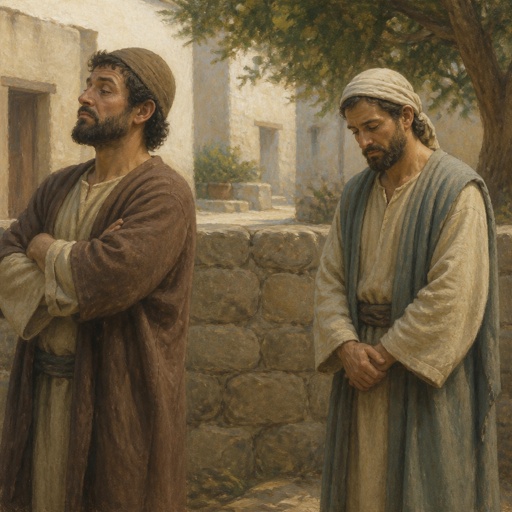
Proverbs 3:11-12 Artwork

Proverbs 3:11-12 - "My son, do not despise the LORD's discipline, and do not resent his rebuke, because the LORD disciplines those he loves, as a father the son he delights in."

"My son, do not despise the LORD's discipline, and do not resent his rebuke, because the LORD disciplines those he loves, as a father the son he delights in." - Proverbs 3:11-12

proverbs 5:11-12

proverbs 5:11-12

Matthew 3:11-12

Matthew 3:11-12

Proverbs 3:11 - "¶ My son, despise not the chastening of the LORD; neither be weary of his correction:"

Proverbs 12:3 - "A man shall not be established by wickedness: but the root of the righteous shall not be moved."

Proverbs 11:12 - "He that is void of wisdom despiseth his neighbour: but a man of understanding holdeth his peace."

Proverbs 11:3 - "The integrity of the upright shall guide them: but the perverseness of transgressors shall destroy them."

Proverbs 12:11 - "He that tilleth his land shall be satisfied with bread: but he that followeth vain persons is void of understanding."

Proverbs 3:12 - "For whom the LORD loveth he correcteth; even as a father the son in whom he delighteth."

"¶ My son, despise not the chastening of the LORD; neither be weary of his correction:" - Proverbs 3:11

Proverbs 3:5-6

"A man shall not be established by wickedness: but the root of the righteous shall not be moved." - Proverbs 12:3
"He that is void of wisdom despiseth his neighbour: but a man of understanding holdeth his peace." - Proverbs 11:12

"The integrity of the upright shall guide them: but the perverseness of transgressors shall destroy them." - Proverbs 11:3

Proverbs 3:1-2 - "My son, do not forget my teaching, but keep my commands in your heart, for they will prolong your life many years and bring you peace and prosperity."

"For whom the LORD loveth he correcteth; even as a father the son in whom he delighteth." - Proverbs 3:12

"He that tilleth his land shall be satisfied with bread: but he that followeth vain persons is void of understanding." - Proverbs 12:11

Proverbs 11:11 - "By the blessing of the upright the city is exalted: but it is overthrown by the mouth of the wicked."

John 1:1-2

John 1:1-2

John 1:1-2

John 1:1-2

John 1:1-2

Proverbs 11:2

proverbs 5:11

Proverbs 11:2

Proverbs 11:2