What does Proverbs 2:21 mean?
"For the upright shall dwell in the land, and the perfect shall remain in it." - Proverbs 2:21
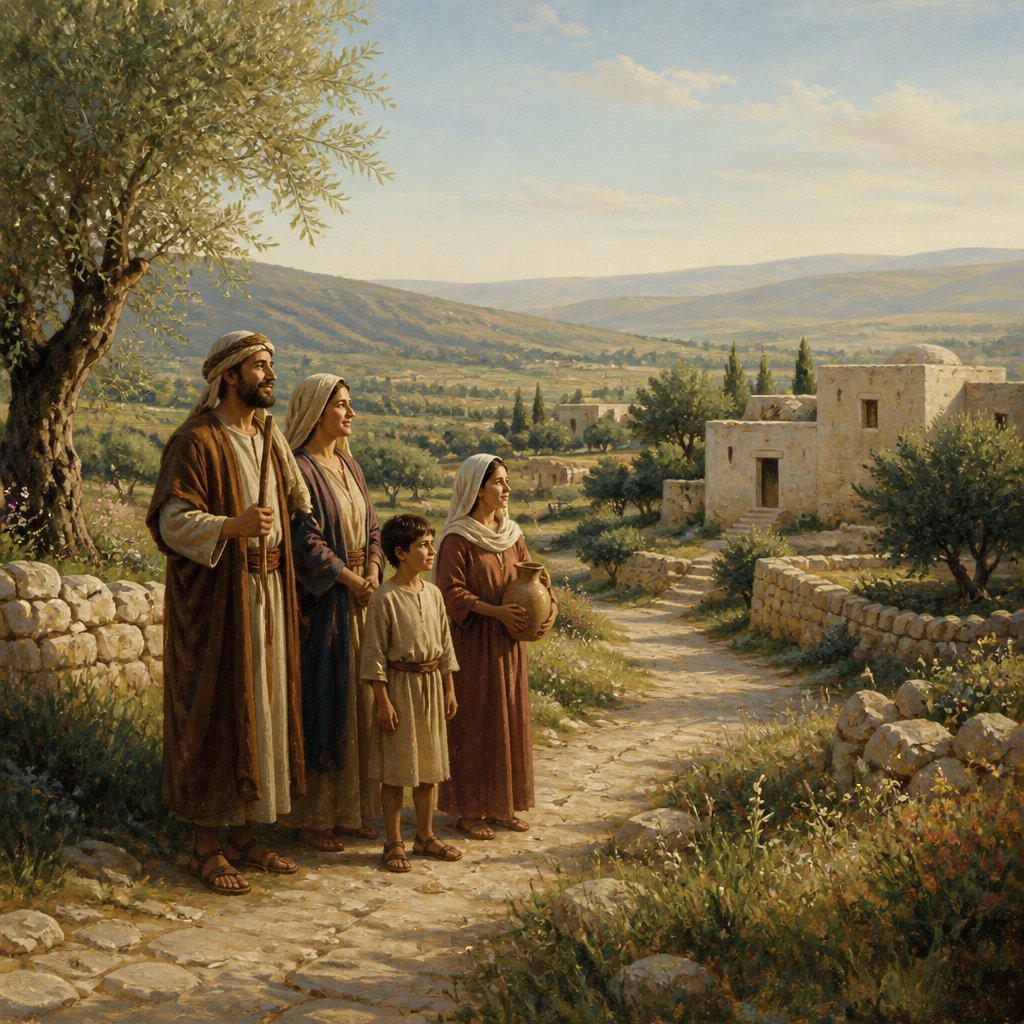
The verse Proverbs 2:21 in the King James Version of the Bible states, "For the upright shall dwell in the land, and the perfect shall remain in it." This verse appears in the Book of Proverbs, which is a part of the Old Testament. Proverbs is known for its wisdom literature and teachings on practical living, offering guidance on how to live a righteous and fulfilling life.
In this specific verse, the speaker is addressing the concept of righteousness and its connection to the land. The "upright" and the "perfect" are mentioned, suggesting those who are morally and spiritually upright will have a dwelling place in the land. This verse emphasizes the importance of living a righteous life and the rewards that come with it.
The theme of righteousness is central to the Book of Proverbs and is a recurring theme throughout the Bible. The concept of being upright and perfect aligns with the teachings of other biblical verses, such as Psalm 15:2, which states, "He that walketh uprightly, and worketh righteousness, and speaketh the truth in his heart." The emphasis on righteousness reflects the idea that living a morally upright life is essential for dwelling in the presence of God and receiving His blessings.
The context of Proverbs 2:21 is within a larger passage that speaks about the benefits of wisdom and the rewards of living a righteous life. The preceding verses (Proverbs 2:1-20) emphasize the value of seeking wisdom and understanding, which are depicted as treasures that bring protection, guidance, and knowledge. The verse following Proverbs 2:21 (Proverbs 2:22) warns of the consequences of wickedness and the destruction that comes to those who are unjust. Therefore, Proverbs 2:21 can be seen as a continuation of this theme, affirming that righteousness leads to stability and security in one's life and surroundings.
The symbolism in this verse lies in the idea of the "land" as a representation of a stable and secure dwelling place. In the context of ancient Israel, the land was considered a valuable and cherished possession, as it was a source of sustenance and livelihood. Therefore, to "dwell in the land" signified not only physical residency but also the experience of stability, security, and prosperity. This symbolism can be understood in both a literal and metaphorical sense, as righteousness is believed to bring about blessings and favor, leading to a firm foundation in one's life.
Furthermore, the mention of the "upright" and the "perfect" can also be seen as symbolic of those who have a close relationship with God. The "upright" refers to those who walk in righteousness and integrity, while the "perfect" may be understood as those who are blameless and complete in their devotion to God. Therefore, the verse can be interpreted as a promise of God's provision and protection for those who follow His ways and exhibit faithfulness and obedience.
In conclusion, Proverbs 2:21 conveys a powerful message about the rewards of righteousness and the blessings that come with living a morally upright life. The verse serves as both a promise and a challenge to pursue wisdom, seek understanding, and walk in integrity. It emphasizes the importance of righteousness in securing a stable and secure dwelling place in the land, ultimately pointing to the divine favor and protection that come from honoring God's ways.
Have questions about Proverbs 2:21?
Dive deeper into this scripture with Bible Chat — an AI-powered tool for exploring God's Word through conversation. Ask questions, get context, and grow in your understanding of the Bible.
Get Our Apps


Proverbs 2:21 Artwork

Proverbs 2:21 - "For the upright shall dwell in the land, and the perfect shall remain in it."
"For the upright shall dwell in the land, and the perfect shall remain in it." - Proverbs 2:21

Proverbs 2:1 - "My son, if thou wilt receive my words, and hide my commandments with thee;"

Proverbs 21:2 - "Every way of a man is right in his own eyes: but the LORD pondereth the hearts."
"My son, if thou wilt receive my words, and hide my commandments with thee;" - Proverbs 2:1

Proverbs 2:1-2 - "My son, if you accept my words and store up my commands within you, turning your ear to wisdom and applying your heart to understanding."

Proverbs 18:21
Proverbs 18:21

Proverbs 18:21

Proverbs 18:21

Proverbs 18:21

Proverbs 18:21

Proverbs 18:21

Proverbs 18:21

Proverbs 18:21

Proverbs 18:21
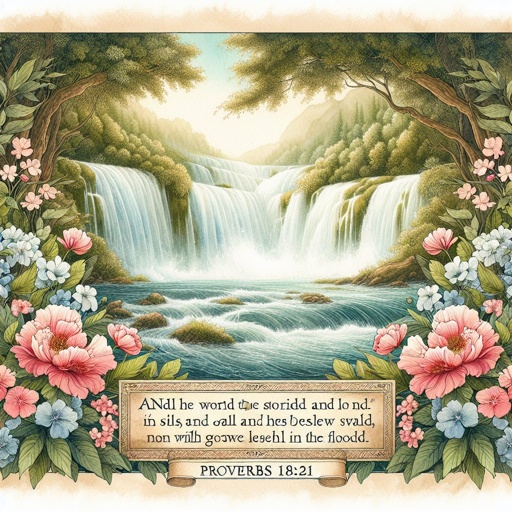
Proverbs 18:21

Proverbs 18:21

proverbs 21 7

Proverbs 31:21

Proverbs 21:21 - "He that followeth after righteousness and mercy findeth life, righteousness, and honour."
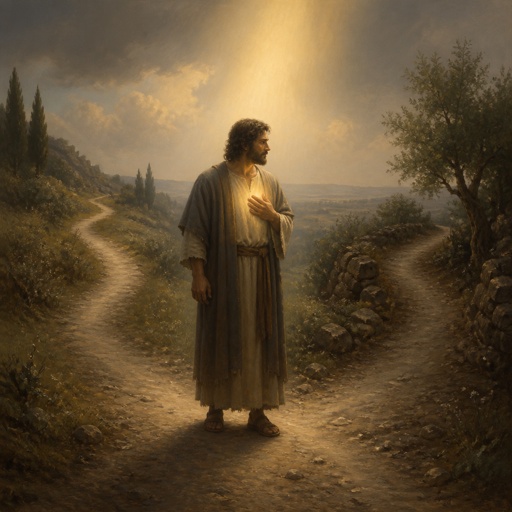
"Every way of a man is right in his own eyes: but the LORD pondereth the hearts." - Proverbs 21:2
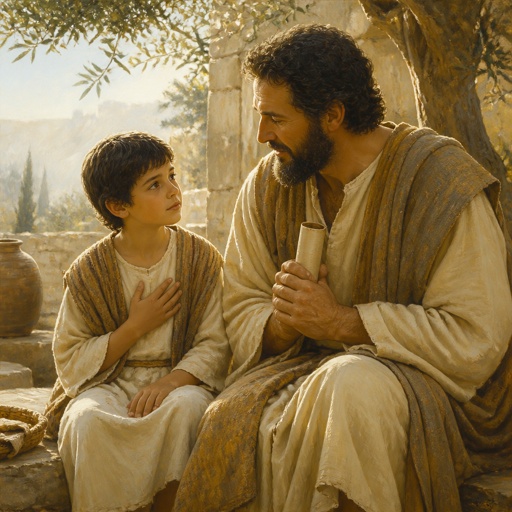
"My son, if you accept my words and store up my commands within you, turning your ear to wisdom and applying your heart to understanding." - Proverbs 2:1-2

Proverbs 21:18 - "The wicked shall be a ransom for the righteous, and the transgressor for the upright."

Proverbs 21:30 - "There is no wisdom nor understanding nor counsel against the LORD."

Proverbs 13:21 - "Evil pursueth sinners: but to the righteous good shall be repayed."

Proverbs 21:25 - "The desire of the slothful killeth him; for his hands refuse to labour."

Proverbs 21:31 - "The horse is prepared against the day of battle: but safety is of the LORD."

Proverbs 21:19 - "It is better to dwell in the wilderness, than with a contentious and an angry woman."

Proverbs 21:4 - "An high look, and a proud heart, and the plowing of the wicked, is sin."