What does Proverbs 2:13 mean?
"Who leave the paths of uprightness, to walk in the ways of darkness;" - Proverbs 2:13
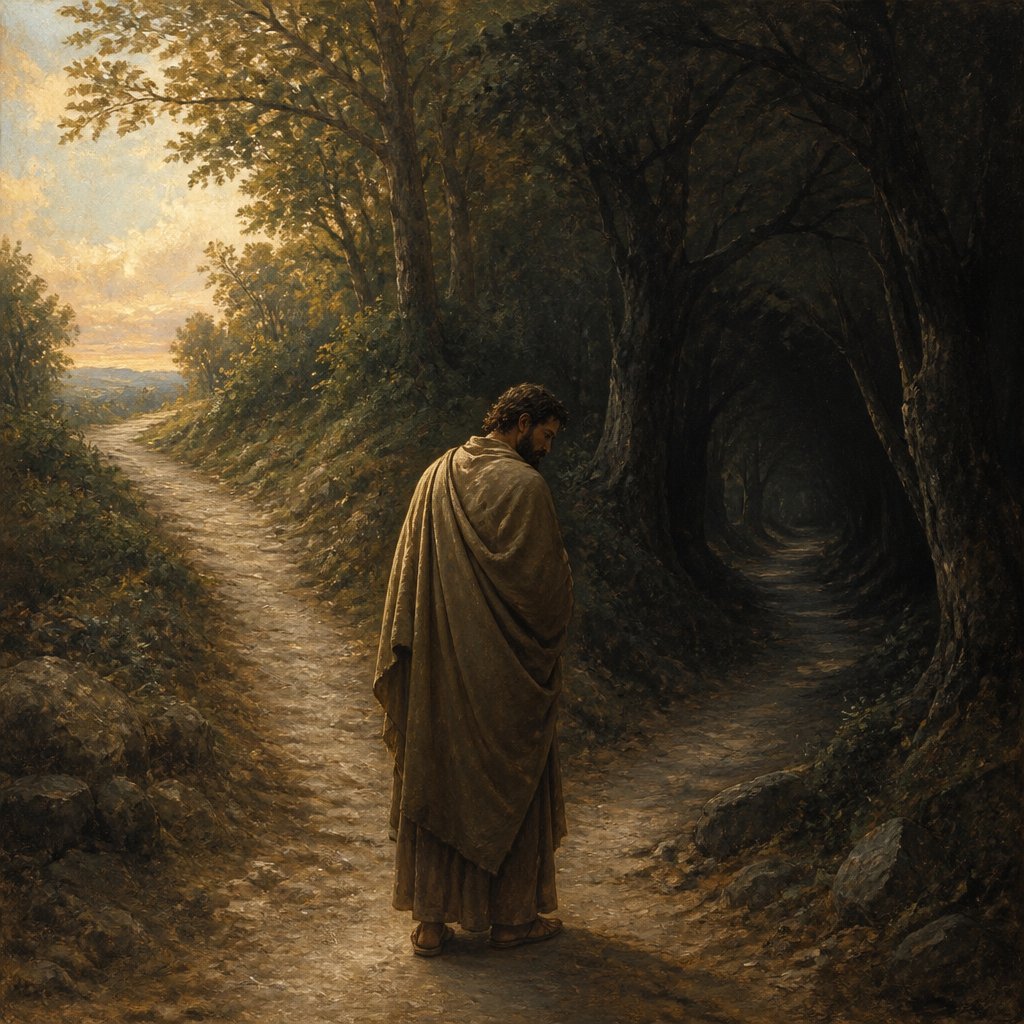
Proverbs 2:13 (KJV) states, "Who leave the paths of uprightness, to walk in the ways of darkness." This verse is from the Book of Proverbs, which is a collection of wise sayings and teachings attributed to Solomon, who was known for his wisdom and understanding. The Book of Proverbs is often considered a guide for moral and ethical living and is a valuable source of practical advice for everyday life.
In this particular verse, the contrast between the paths of uprightness and the ways of darkness is highlighted. It speaks to the choices and behaviors of individuals who turn away from righteousness and moral living to embrace darkness and wrongdoing. The verse serves as a warning against straying from the path of virtue and righteousness and the potential consequences of such actions.
The theme of moral and ethical choices is central to this verse. It encourages readers to consider the paths they are walking and to reflect on the consequences of their actions. It emphasizes the importance of making choices that align with righteousness and goodness, rather than succumbing to the temptations of darkness and immorality.
The context of this verse is important to consider in order to fully understand its meaning. Throughout the Book of Proverbs, there is a consistent emphasis on the importance of wisdom, understanding, and discernment. The verses leading up to and following Proverbs 2:13 emphasize the benefits of seeking wisdom and living with integrity. In Proverbs 2:10-12 (KJV), it is written, "When wisdom entereth into thine heart, and knowledge is pleasant unto thy soul; Discretion shall preserve thee, understanding shall keep thee: To deliver thee from the way of the evil man, from the man that speaketh froward things."
These verses set the stage for the warning in Proverbs 2:13, underscoring the importance of choosing wisdom and righteousness over the allure of darkness and evil. The broader context of the Book of Proverbs as a whole reinforces the theme of making wise and moral choices, and the consequences of straying from the path of righteousness.
Symbolism plays a significant role in the interpretation of Proverbs 2:13. The "paths of uprightness" represent the choices and behaviors that are aligned with moral and ethical living. It symbolizes the journey of living a virtuous life and making choices that are in line with principles of goodness and righteousness. On the other hand, the "ways of darkness" symbolize the temptation and allure of immoral and unethical behaviors. Darkness is often used symbolically to represent evil, sin, and ignorance. Thus, the verse is a reminder of the constant struggle between light and darkness, good and evil, and the choices individuals must make in navigating this dichotomy.
In conclusion, Proverbs 2:13 (KJV) serves as a powerful reminder of the importance of making wise and moral choices. It warns against straying from the path of righteousness and succumbing to the temptations of darkness. The verse is deeply rooted in the themes of wisdom, moral living, and the consequences of our actions. By considering the context, themes, and symbolism of this verse, readers can gain a deeper understanding of its significance and apply its teachings to their own lives.
Have questions about Proverbs 2:13?
Dive deeper into this scripture with Bible Chat — an AI-powered tool for exploring God's Word through conversation. Ask questions, get context, and grow in your understanding of the Bible.
Get Our Apps


Proverbs 2:13 Artwork

Proverbs 2:13 - "Who leave the paths of uprightness, to walk in the ways of darkness;"
"Who leave the paths of uprightness, to walk in the ways of darkness;" - Proverbs 2:13

Proverbs 13:2 - "A man shall eat good by the fruit of his mouth: but the soul of the transgressors shall eat violence."

Proverbs 13:13 - "Whoso despiseth the word shall be destroyed: but he that feareth the commandment shall be rewarded."
"A man shall eat good by the fruit of his mouth: but the soul of the transgressors shall eat violence." - Proverbs 13:2

Proverbs 3:13 - "¶ Happy is the man that findeth wisdom, and the man that getteth understanding."

Proverbs 13:21 - "Evil pursueth sinners: but to the righteous good shall be repayed."

Proverbs 26:13 - "The slothful man saith, There is a lion in the way; a lion is in the streets."

Proverbs 13:15 - "Good understanding giveth favour: but the way of transgressors is hard."

Proverbs 13:17 - "A wicked messenger falleth into mischief: but a faithful ambassador is health."

Proverbs 14:13 - "Even in laughter the heart is sorrowful; and the end of that mirth is heaviness."

Proverbs 9:13 - "A foolish woman is clamorous: she is simple, and knoweth nothing."

Proverbs 13:23 - "Much food is in the tillage of the poor: but there is that is destroyed for want of judgment."

Proverbs 13:10 - "Only by pride cometh contention: but with the well advised is wisdom."

Proverbs 13:9 - "The light of the righteous rejoiceth: but the lamp of the wicked shall be put out."

Proverbs 11:13 - "A talebearer revealeth secrets: but he that is of a faithful spirit concealeth the matter."

Proverbs 16:13 - "Righteous lips are the delight of kings; and they love him that speaketh right."

Proverbs 31:13 - "She seeketh wool, and flax, and worketh willingly with her hands."

Proverbs 27:13 - "Take his garment that is surety for a stranger, and take a pledge of him for a strange woman."

Proverbs 2:2

Proverbs 30:13 - "There is a generation, O how lofty are their eyes! and their eyelids are lifted up."

Proverbs 13:6 - "Righteousness keepeth him that is upright in the way: but wickedness overthroweth the sinner."

Proverbs 13:8 - "The ransom of a man's life are his riches: but the poor heareth not rebuke."

Proverbs 13:14 - "The law of the wise is a fountain of life, to depart from the snares of death."

Proverbs 13:1 - "A wise son heareth his father's instruction: but a scorner heareth not rebuke."

Proverbs 13:25 - "The righteous eateth to the satisfying of his soul: but the belly of the wicked shall want."

Proverbs 13:19 - "The desire accomplished is sweet to the soul: but it is abomination to fools to depart from evil."

Proverbs 13:5 - "A righteous man hateth lying: but a wicked man is loathsome, and cometh to shame."

Proverbs 22:13 - "The slothful man saith, There is a lion without, I shall be slain in the streets."

Proverbs 19:13 - "A foolish son is the calamity of his father: and the contentions of a wife are a continual dropping."