What does Proverbs 29:19 mean?
"A servant will not be corrected by words: for though he understand he will not answer." - Proverbs 29:19
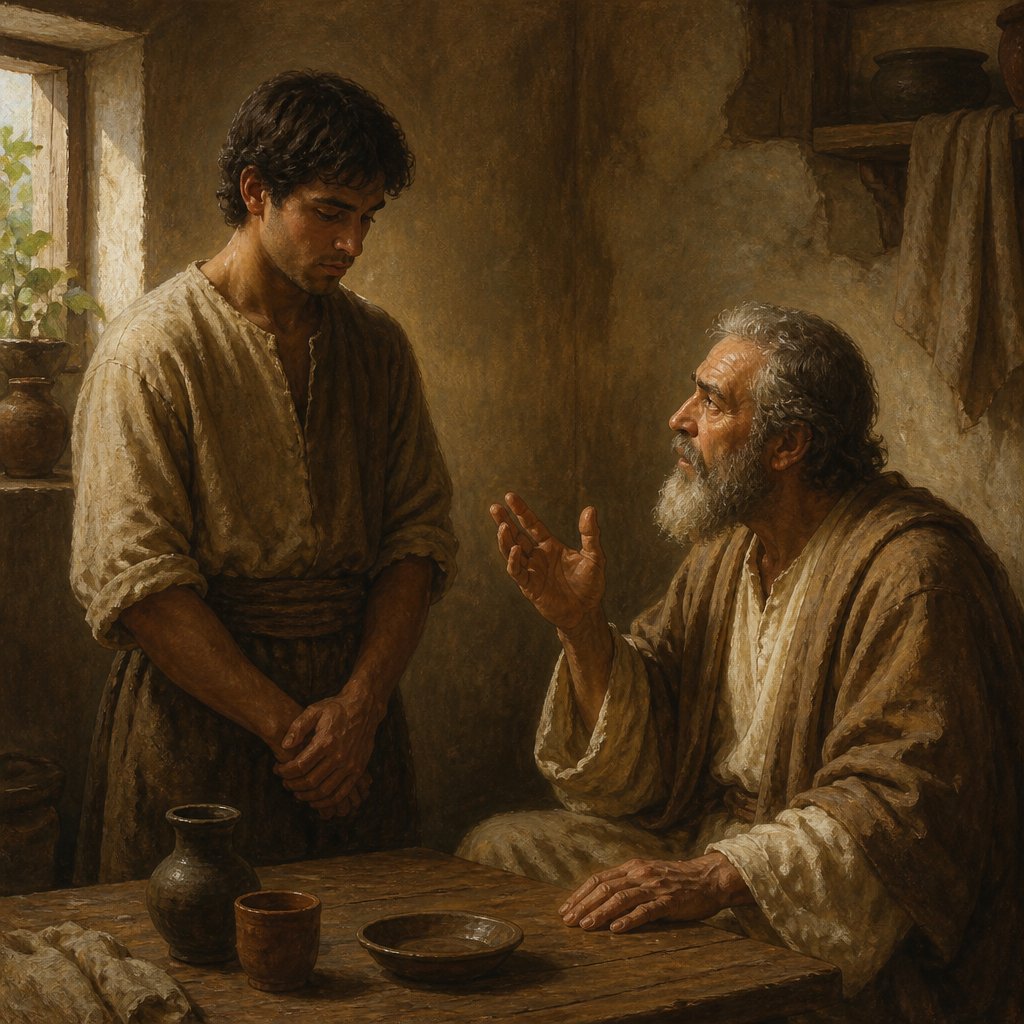
Proverbs 29:19 (KJV) states, “A servant will not be corrected by words: for though he understand he will not answer.” This verse is found in the book of Proverbs, which is a collection of wise sayings and teachings attributed to King Solomon. The book is part of the Wisdom Literature in the Old Testament and is known for its practical advice on living a righteous and fulfilling life.
The verse is a reflection on the nature of a servant or slave and their response to correction or instruction. In ancient times, slavery was a common practice, and it is important to understand the context in which this verse was written. During this period, servants had no rights or autonomy and were expected to obey their masters without question. The verse reflects the idea that a servant's obedience is based solely on fear and compulsion, rather than understanding or a desire to do what is right.
The verse begins with the statement, “A servant will not be corrected by words.” This suggests that simply telling a servant what to do or how to behave is not enough to elicit the desired response. The implication is that words alone are ineffective in changing the behavior of a servant. This is in contrast to the way a free person might respond to verbal correction, as a free person has the ability to reason and make choices based on understanding and personal conviction.
The verse continues, “for though he understand he will not answer.” This part of the verse speaks to the servant's lack of initiative and independence. Even if the servant comprehends the correction or instruction given to them, they will not respond or take action without being explicitly commanded to do so. This further emphasizes the idea that a servant's obedience is not motivated by understanding or a sense of duty, but rather by a fear of punishment or retribution.
At its core, this verse speaks to the limitations of using words alone to correct or instruct a servant. It suggests that a different approach, likely involving a more forceful and authoritative method of correction, may be necessary to elicit the desired response. In the context of the time in which it was written, this verse reflects the societal norms and power dynamics that existed between masters and their servants.
In addition to its immediate implications for the master-servant relationship, this verse can also be interpreted more broadly as a commentary on the limitations of verbal communication in bringing about genuine change or obedience. It serves as a reminder that actions often speak louder than words, especially when dealing with individuals who are motivated by fear or coercion.
Furthermore, this verse can also be seen as a reflection of the human condition and our tendency to resist authority and correction. It speaks to the stubbornness and rebellion that is inherent in human nature, and the difficulty of instilling true understanding and obedience in others.
Symbolically, this verse can be seen as a representation of the spiritual state of humanity in relation to God. In Christian theology, humans are often likened to servants or slaves of God, and the verse can be interpreted as a commentary on humanity's tendency to resist God's guidance and correction. It speaks to the limitations of human understanding and the need for a deeper, more profound form of communication and intervention in order to bring about true obedience and transformation.
In conclusion, Proverbs 29:19 (KJV) offers a reflection on the nature of obedience and correction, particularly in the context of the master-servant relationship. It serves as a reminder of the limitations of words alone in eliciting genuine understanding and change, and speaks to the broader themes of human rebellion and the need for a deeper form of communication and correction.
Have questions about Proverbs 29:19?
Dive deeper into this scripture with Bible Chat — an AI-powered tool for exploring God's Word through conversation. Ask questions, get context, and grow in your understanding of the Bible.
Get Our Apps


Proverbs 29:19 Artwork

Proverbs 29:19 - "A servant will not be corrected by words: for though he understand he will not answer."
"A servant will not be corrected by words: for though he understand he will not answer." - Proverbs 29:19

Proverbs 19:29 - "Judgments are prepared for scorners, and stripes for the back of fools."
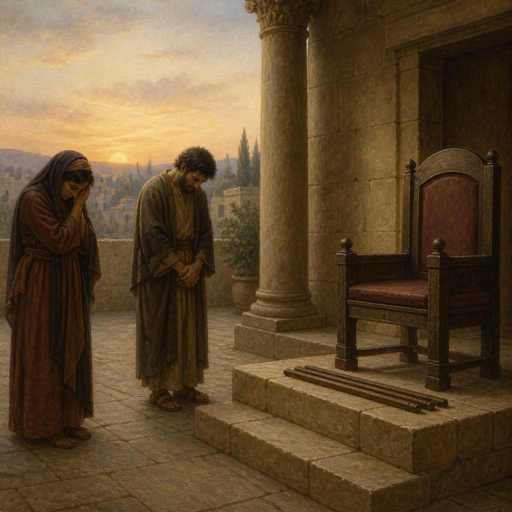
"Judgments are prepared for scorners, and stripes for the back of fools." - Proverbs 19:29

Genesis 19-29

Proverbs 1:29 - "For that they hated knowledge, and did not choose the fear of the LORD:"

Proverbs 29:10 - "The bloodthirsty hate the upright: but the just seek his soul."

Proverbs 29:12 - "If a ruler hearken to lies, all his servants are wicked."

Proverbs 29:7 - "The righteous considereth the cause of the poor: but the wicked regardeth not to know it."

Proverbs 19:8

Proverbs 19:8

Proverbs 29:5 - "A man that flattereth his neighbour spreadeth a net for his feet."

Proverbs 10:29 - "The way of the LORD is strength to the upright: but destruction shall be to the workers of iniquity."

Proverbs 29:4 - "The king by judgment establisheth the land: but he that receiveth gifts overthroweth it."

Proverbs 29:6 - "In the transgression of an evil man there is a snare: but the righteous doth sing and rejoice."

Proverbs 15:29 - "The LORD is far from the wicked: but he heareth the prayer of the righteous."

Proverbs 20:29 - "The glory of young men is their strength: and the beauty of old men is the gray head."

Proverbs 29:14 - "The king that faithfully judgeth the poor, his throne shall be established for ever."

Proverbs 30:29 - "There be three things which go well, yea, four are comely in going:"

Proverbs 29:16 - "When the wicked are multiplied, transgression increaseth: but the righteous shall see their fall."

Proverbs 29:13 - "The poor and the deceitful man meet together: the LORD lighteneth both their eyes."

Proverbs 29:27 - "An unjust man is an abomination to the just: and he that is upright in the way is abomination to the wicked."

Proverbs 31:29 - "Many daughters have done virtuously, but thou excellest them all."

Proverbs 29:22 - "An angry man stirreth up strife, and a furious man aboundeth in transgression."

Proverbs 29:18 - "Where there is no vision, the people perish: but he that keepeth the law, happy is he."

Proverbs 16:29 - "A violent man enticeth his neighbour, and leadeth him into the way that is not good."
Proverbs 3:29 - "Devise not evil against thy neighbour, seeing he dwelleth securely by thee."
Proverbs 29:26 - "Many seek the ruler's favour; but every man's judgment cometh from the LORD."

Proverbs 29:8 - "Scornful men bring a city into a snare: but wise men turn away wrath."

Proverbs 29:9 - "If a wise man contendeth with a foolish man, whether he rage or laugh, there is no rest."