What does Proverbs 27:12 mean?
"A prudent man foreseeth the evil, and hideth himself; but the simple pass on, and are punished." - Proverbs 27:12

The verse Proverbs 27:12 from the King James Version (KJV) of the Bible reads, "A prudent man foreseeth the evil, and hideth himself; but the simple pass on, and are punished." This verse is packed with wisdom and offers guidance on how to live a wise and prudent life.
The overarching theme of this verse is the importance of prudence and foresight. The Hebrew word for "prudent" in this verse is "sakal," which means to be circumspect and discerning. The verse contrasts the prudent man with the simple one, highlighting the difference in their actions and outcomes. The prudent man is said to foresee evil and take necessary precautions, ultimately avoiding harm. In contrast, the simple person is depicted as passing on without considering the potential dangers, thus facing punishment as a consequence.
Contextually, this verse is part of the larger collection of proverbs attributed to King Solomon, the wise king of Israel. The Book of Proverbs is known for its practical wisdom and moral teachings, and this verse is no exception. It speaks to the human experience of facing choices and the consequences of those choices. The contrast between the prudent and the simple serves as a moral lesson, urging readers to exercise caution and discernment in their lives.
Symbolically, the verse can be interpreted as a reminder of the importance of being proactive in anticipating and avoiding potential harm. It is akin to the adage "an ounce of prevention is worth a pound of cure." The imagery of "foreseeing evil and hiding oneself" suggests the need for foresight and preparedness in the face of adversity. This can be applied to various aspects of life, from personal decision making to financial planning and beyond.
The verse's emphasis on prudence and foresight also carries spiritual significance. In a broader theological context, it can be seen as a call to exercise discernment in navigating moral and spiritual challenges. The Bible often speaks of the importance of wisdom and discernment in living a righteous life, and this verse aligns with that overarching message.
Furthermore, the contrast between the prudent and the simple can be seen as a reflection of broader spiritual themes of righteousness and folly. Throughout the Bible, there is a recurring motif of the wise being rewarded for their discernment and the foolish facing the consequences of their actions. Proverbs 27:12 serves as a microcosm of this larger theme, emphasizing the rewards of prudence and the perils of naivety.
In conclusion, Proverbs 27:12 from the King James Version of the Bible offers timeless wisdom on the importance of prudence and foresight. Its moral teachings and practical guidance make it a valuable verse for individuals seeking to live wisely and make sound decisions. The contrast between the prudent and the simple serves as a powerful reminder of the consequences of our actions and the importance of exercising discernment in all aspects of life. As with all biblical wisdom literature, this verse continues to offer timeless insights that are relevant to individuals in every generation.
Have questions about Proverbs 27:12?
Dive deeper into this scripture with Bible Chat — an AI-powered tool for exploring God's Word through conversation. Ask questions, get context, and grow in your understanding of the Bible.
Get Our Apps


Proverbs 27:12 Artwork

Proverbs 27:12 - "A prudent man foreseeth the evil, and hideth himself; but the simple pass on, and are punished."
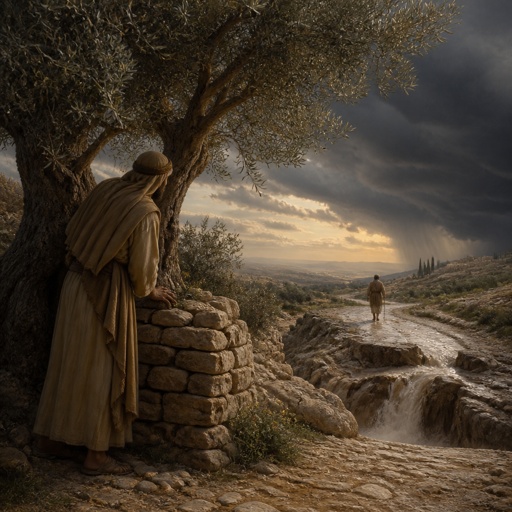
"A prudent man foreseeth the evil, and hideth himself; but the simple pass on, and are punished." - Proverbs 27:12

Proverbs 12:27 - "The slothful man roasteth not that which he took in hunting: but the substance of a diligent man is precious."
"The slothful man roasteth not that which he took in hunting: but the substance of a diligent man is precious." - Proverbs 12:27

Proverbs 27:17

Proverbs 27:17

Proverbs 27:16

Proverbs 17:27-28

Proverbs 17:27-28

Proverbs 7:26-27

Proverbs 17:27-28

Proverbs 27:27 - "And thou shalt have goats' milk enough for thy food, for the food of thy household, and for the maintenance for thy maidens."

Proverbs 27:26 - "The lambs are for thy clothing, and the goats are the price of the field."

Proverbs 27:6 - "Faithful are the wounds of a friend; but the kisses of an enemy are deceitful."

Proverbs 27:5 - "Open rebuke is better than secret love."

Proverbs 27:24 - "For riches are not for ever: and doth the crown endure to every generation?"

Proverbs 23:27 - "For a whore is a deep ditch; and a strange woman is a narrow pit."

Proverbs 27:15 - "A continual dropping in a very rainy day and a contentious woman are alike."

Proverbs 10:27 - "The fear of the LORD prolongeth days: but the years of the wicked shall be shortened."

Proverbs 27:13 - "Take his garment that is surety for a stranger, and take a pledge of him for a strange woman."

Proverbs 7:27 - "Her house is the way to hell, going down to the chambers of death."

Proverbs 14:27 - "The fear of the LORD is a fountain of life, to depart from the snares of death."

Proverbs 27:19 - "As in water face answereth to face, so the heart of man to man."

Proverbs 29:27 - "An unjust man is an abomination to the just: and he that is upright in the way is abomination to the wicked."

Proverbs 27:17 - "Iron sharpeneth iron; so a man sharpeneth the countenance of his friend."

Proverbs 27:20 - "Hell and destruction are never full; so the eyes of man are never satisfied."

Proverbs 6:27 - "Can a man take fire in his bosom, and his clothes not be burned?"

Proverbs 27:21 - "As the fining pot for silver, and the furnace for gold; so is a man to his praise."

Proverbs 16:27 - "An ungodly man diggeth up evil: and in his lips there is as a burning fire."

Proverbs 31:27 - "She looketh well to the ways of her household, and eateth not the bread of idleness."