What does Proverbs 26:15-16 mean?
"The slothful hideth his hand in his bosom; it grieveth him to bring it again to his mouth. The sluggard is wiser in his own conceit than seven men that can render a reason." - Proverbs 26:15-16
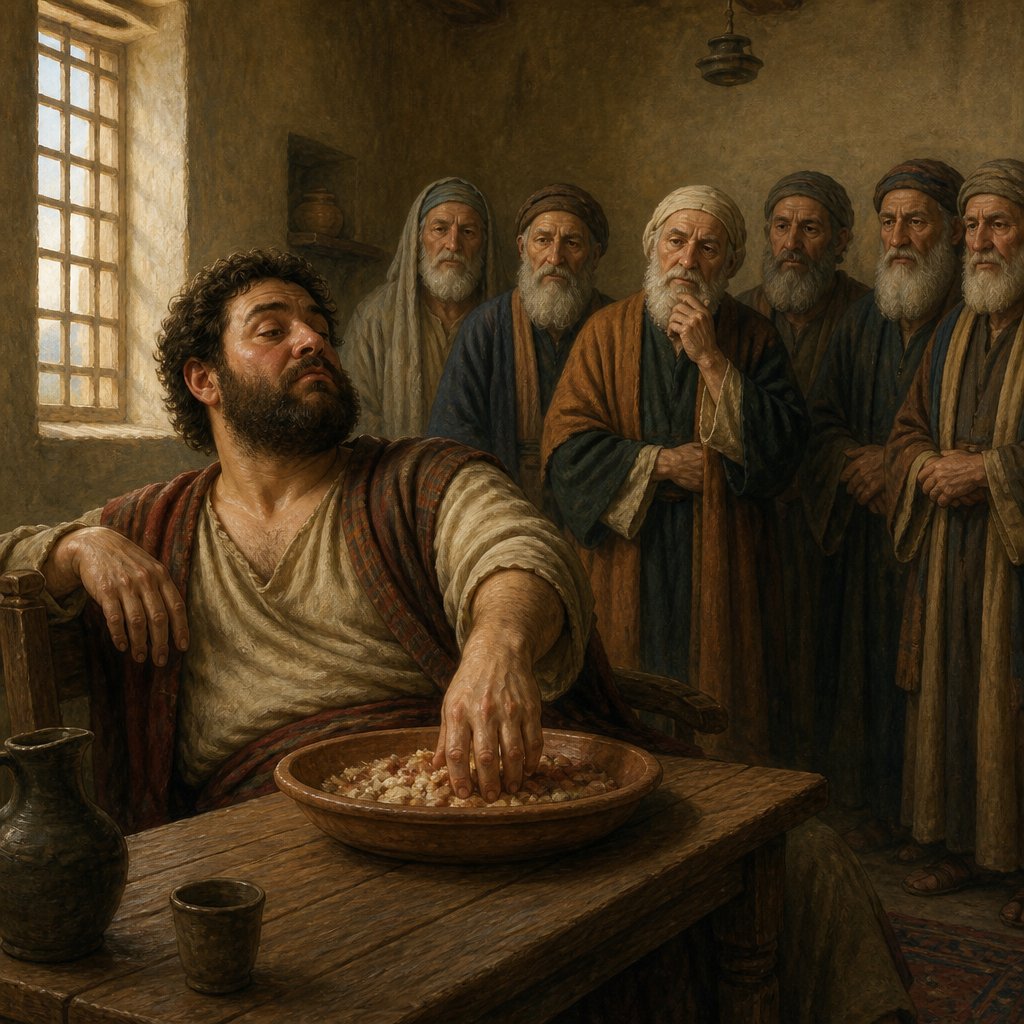
Proverbs 26:15-16 in the King James Version of the Bible reads, "The slothful hideth his hand in his bosom; it grieveth him to bring it again to his mouth. The sluggard is wiser in his own conceit than seven men that can render a reason."
This passage from the book of Proverbs offers valuable insight into the nature of laziness and its consequences. The term "slothful" refers to someone who is habitually lazy or lacking in ambition. This individual is contrasted with the "sluggard," who is similarly disinclined towards work but also harbors an inflated sense of their own intelligence.
The imagery of the slothful person hiding their hand in their bosom and finding it grievous to bring it to their mouth is a vivid representation of the extent of their indolence. This visual metaphor communicates the idea that even the most basic and necessary tasks become burdensome for those who are slothful. The choice of words, such as "hideth" and "grieveth," conveys a sense of deliberate avoidance and discomfort associated with exerting oneself.
The comparison of the sluggard's perceived wisdom to that of seven men capable of rendering a reason underscores the arrogance and self-delusion inherent in their attitude. Despite their lack of productivity and ambition, the sluggard believes themselves to be superior in intellect to those who are capable of rational thinking and logical justification. This highlights the disconnect between their perceived self-worth and their actual contributions to society.
The broader context of the book of Proverbs, which is attributed to King Solomon, underscores the moral and ethical teachings intended to guide the reader towards virtuous living. The book is a collection of wise sayings and practical advice on various aspects of life, including work ethic, relationships, and moral conduct. Within this framework, the passage serves as a cautionary tale about the perils of laziness and the pitfalls of excessive pride.
The themes present in Proverbs 26:15-16 are multifaceted and enduring. They speak to the universal human experience of grappling with laziness, overestimating one's abilities, and the consequences of such behavior. The passage serves as a reminder of the need for diligence, humility, and self-awareness in the pursuit of a meaningful and fulfilling life.
One of the central themes found in this passage is the importance of industriousness and the negative consequences of laziness. The slothful person's aversion to even the simplest tasks highlights the debilitating effects of a lack of motivation and industry. This concept is universal and transcends time, culture, and societal norms. The passage encourages the reader to cultivate a strong work ethic and to approach their responsibilities with diligence and commitment.
Another central theme is the danger of pride and self-deception. The sluggard's belief in their own wisdom, despite their lack of productivity and discernible accomplishment, serves as a cautionary tale about the perils of arrogance and hubris. This caution is relevant in any context, as it speaks to the dangers of overestimating one's abilities and failing to recognize one's limitations.
The symbolic value of the imagery in this passage enriches its meaning and resonates with the reader. The act of hiding one's hand in the bosom and finding it grievous to bring it to the mouth serves as a powerful metaphor for the inertia and aversion to effort that characterizes the slothful individual. This vivid image encapsulates the essence of laziness and conveys the burdensome nature of avoiding responsibility.
Similarly, the image of the sluggard believing themselves to be wiser than seven men with reasoning skills symbolizes the disconnect between self-perception and reality. It underscores the dangers of intellectual complacency and the inability to recognize and appreciate the wisdom of others. This symbolism emphasizes the need for humility and a willingness to learn from those who possess greater knowledge and insight.
In conclusion, Proverbs 26:15-16 from the King James Version of the Bible offers profound insights into the perils of laziness, the dangers of pride, and the importance of diligence and humility. This passage serves as a timeless and universal reminder of the virtues of hard work and the pitfalls of complacency. Its imagery and symbolism enrich its message and resonate with readers across diverse backgrounds and contexts. Ultimately, the passage serves as a moral and ethical guidepost, encouraging the cultivation of industriousness, self-awareness, and a willingness to learn from others.
Have questions about Proverbs 26:15-16?
Dive deeper into this scripture with Bible Chat — an AI-powered tool for exploring God's Word through conversation. Ask questions, get context, and grow in your understanding of the Bible.
Get Our Apps


Proverbs 26:15-16 Artwork

Proverbs 26:15-16 - "The sluggard buries his hand in the dish; it wears him out to bring it back to his mouth. The sluggard is wiser in his own eyes than seven men who can answer sensibly."
"The sluggard buries his hand in the dish; it wears him out to bring it back to his mouth. The sluggard is wiser in his own eyes than seven men who can answer sensibly." - Proverbs 26:15-16

Proverbs 16:26 - "He that laboureth laboureth for himself; for his mouth craveth it of him."

Proverbs 15:26 - "The thoughts of the wicked are an abomination to the LORD: but the words of the pure are pleasant words."

Proverbs 26:16 - "The sluggard is wiser in his own conceit than seven men that can render a reason."

Proverbs 26:15 - "The slothful hideth his hand in his bosom; it grieveth him to bring it again to his mouth."

Proverbs 16:15 - "In the light of the king's countenance is life; and his favour is as a cloud of the latter rain."

Proverbs 15:16 - "Better is little with the fear of the LORD than great treasure and trouble therewith."
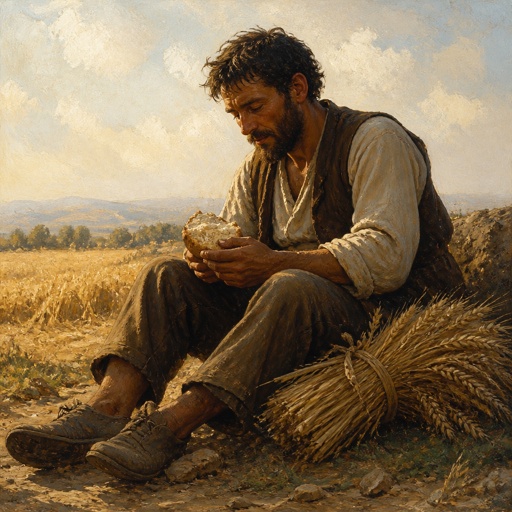
"He that laboureth laboureth for himself; for his mouth craveth it of him." - Proverbs 16:26
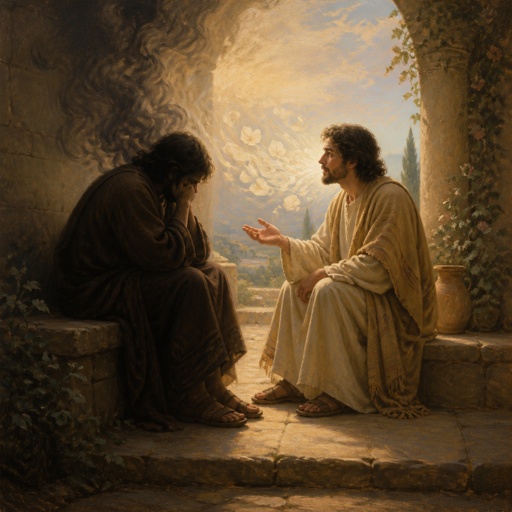
"The thoughts of the wicked are an abomination to the LORD: but the words of the pure are pleasant words." - Proverbs 15:26

Proverbs 27:15-16 (KJVA) 15 A continual dropping in a very rainy day and a contentious woman are alike. 16 Whosoever hideth her hideth the wind, and the ointment of his right hand, which bewrayeth itself.
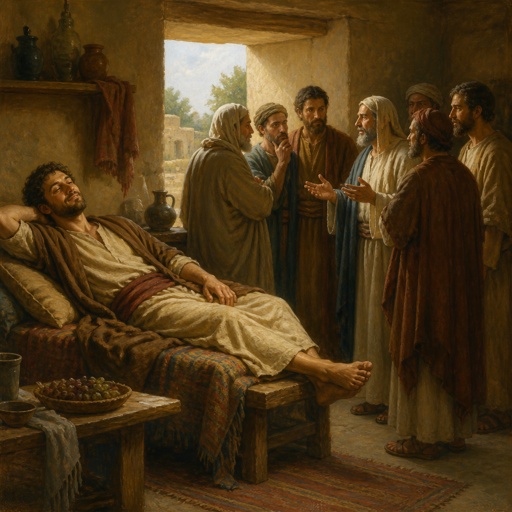
"The sluggard is wiser in his own conceit than seven men that can render a reason." - Proverbs 26:16
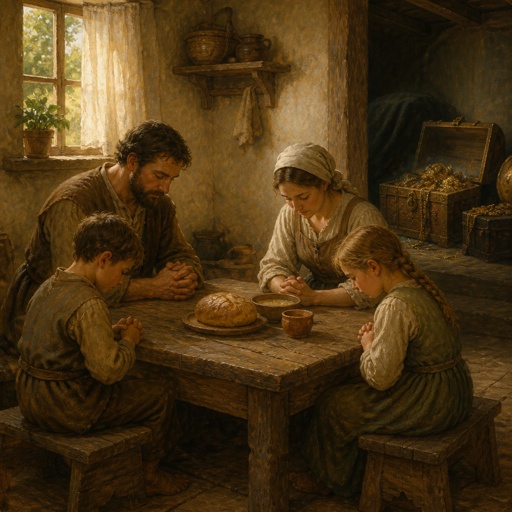
"Better is little with the fear of the LORD than great treasure and trouble therewith." - Proverbs 15:16
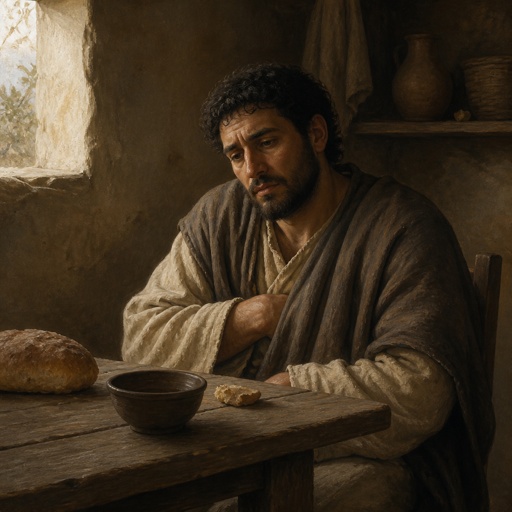
"The slothful hideth his hand in his bosom; it grieveth him to bring it again to his mouth." - Proverbs 26:15
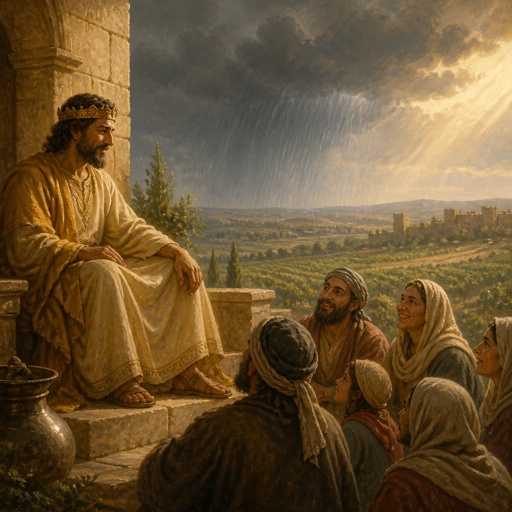
"In the light of the king's countenance is life; and his favour is as a cloud of the latter rain." - Proverbs 16:15

Proverbs 7:26

Proverbs 26:26 - "Whose hatred is covered by deceit, his wickedness shall be shewed before the whole congregation."

Proverbs 7:26-27

Proverbs 26:14-16 - "As a door turns on its hinges, so does a sluggard on his bed. The sluggard buries his hand in the dish; it wearies him to bring it back to his mouth. The sluggard is wiser in his own eyes than seven men who can answer sensibly."

Proverbs 16

Proverbs 30:26 - "The conies are but a feeble folk, yet make they their houses in the rocks;"

Proverbs 27:26 - "The lambs are for thy clothing, and the goats are the price of the field."

Proverbs 27:16

Proverbs 26:18 - "As a mad man who casteth firebrands, arrows, and death,"

Proverbs 26:7 - "The legs of the lame are not equal: so is a parable in the mouth of fools."

Proverbs 26:3 - "A whip for the horse, a bridle for the ass, and a rod for the fool's back."

Proverbs 26:13 - "The slothful man saith, There is a lion in the way; a lion is in the streets."

Proverbs 15:15 - "All the days of the afflicted are evil: but he that is of a merry heart hath a continual feast."

Isa 26:15

Proverbs 20:26 - "A wise king scattereth the wicked, and bringeth the wheel over them."