What does Proverbs 26:14-16 mean?
"As a door turns upon his hinges, so doth the slothful upon his bed. The slothful hideth his hand in his bosom; it grieveth him to bring it again to his mouth. The sluggard is wiser in his own conceit than seven men that can render a reason." - Proverbs 26:14-16
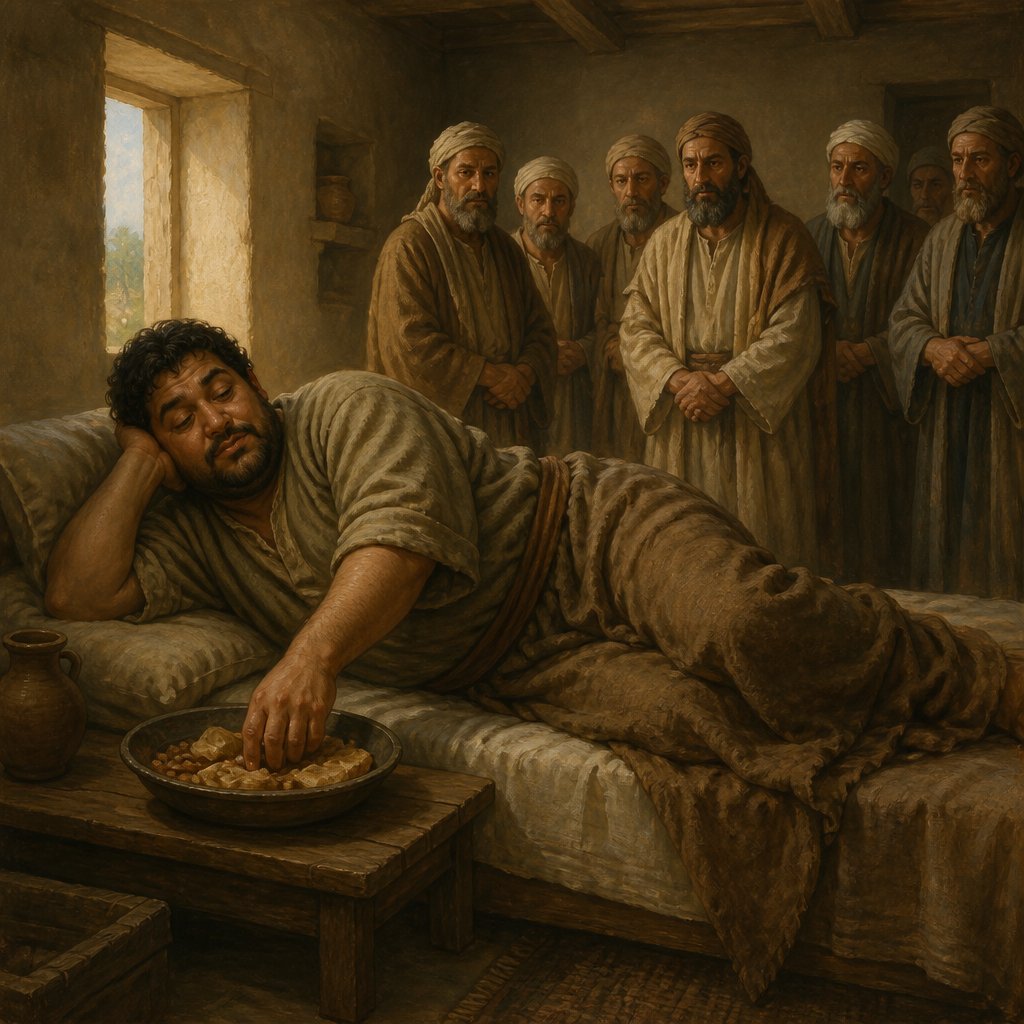
Proverbs 26:14-16 from the King James Version reads, "As the door turneth upon his hinges, so doth the slothful upon his bed. The slothful hideth his hand in his bosom; it grieveth him to bring it again to his mouth. The sluggard is wiser in his own conceit than seven men that can render a reason."
This passage from the Book of Proverbs provides valuable insights into the nature of the slothful, or lazy, individual. It uses vivid imagery and metaphor to convey timeless wisdom regarding the consequences of slothfulness and laziness.
The image of a door turning upon its hinges serves as a metaphor for the behavior of a slothful person. Just as a door turns sluggishly on its hinges, the slothful person is slow to get out of bed and engage with the world around them. This metaphor highlights the inertia and resistance to activity that characterizes the slothful individual.
The verse goes on to describe the slothful person hiding his hand in his bosom, indicating a reluctance to exert effort or engage in productive work. It then laments that even the simple act of bringing the hand back to the mouth to eat grieves the slothful person. This evocative imagery conveys the extent of the slothful person's aversion to physical exertion and their preference for idleness.
The final verse in this passage emphasizes the arrogance and self-deception of the sluggard. The sluggard is described as being wiser in his own conceit than seven men who can render a reason. This imagery serves to underscore the foolishness of the lazy person's inflated sense of wisdom and self-importance. It demonstrates how the slothful person's unwillingness to engage in meaningful work leads to a false sense of superiority and wisdom, despite their lack of productive behavior.
The overarching theme of this passage is the condemnation of slothfulness and laziness. The Book of Proverbs is known for its wisdom literature, and this passage is no exception. It serves as a cautionary tale, warning readers of the consequences of idleness and the folly of believing oneself to be wise while failing to engage in meaningful work.
The context of this passage is important to understanding its significance within the wider themes of the Book of Proverbs. Throughout the Proverbs, there is a consistent emphasis on the value of hard work, diligence, and wisdom. This passage serves as a counterpoint to these virtues, highlighting the negative consequences of slothfulness and the folly of self-deception.
In addition to its moral and practical implications, this passage also carries symbolic significance. The imagery of the door turning on its hinges can be seen as a metaphor for the cyclical nature of slothfulness. The slothful person is trapped in a repetitive cycle of inertia and idleness, unable to break free from their self-imposed limitations.
Overall, Proverbs 26:14-16 provides a powerful and evocative commentary on the nature of slothfulness and laziness. It serves as a timeless reminder of the importance of hard work, diligence, and humility, while cautioning against the dangers of self-deception and inertia. As with all of the wisdom literature in the Book of Proverbs, this passage offers valuable insights into human nature and practical guidance for leading a virtuous and productive life.
Have questions about Proverbs 26:14-16?
Dive deeper into this scripture with Bible Chat — an AI-powered tool for exploring God's Word through conversation. Ask questions, get context, and grow in your understanding of the Bible.
Get Our Apps


Proverbs 26:14-16 Artwork

Proverbs 26:14-16 - "As a door turns on its hinges, so does a sluggard on his bed. The sluggard buries his hand in the dish; it wearies him to bring it back to his mouth. The sluggard is wiser in his own eyes than seven men who can answer sensibly."
"As a door turns on its hinges, so does a sluggard on his bed. The sluggard buries his hand in the dish; it wearies him to bring it back to his mouth. The sluggard is wiser in his own eyes than seven men who can answer sensibly." - Proverbs 26:14-16

Proverbs 16:26 - "He that laboureth laboureth for himself; for his mouth craveth it of him."

Proverbs 14:26 - "In the fear of the LORD is strong confidence: and his children shall have a place of refuge."

Proverbs 26:16 - "The sluggard is wiser in his own conceit than seven men that can render a reason."

Proverbs 26:14 - "As the door turneth upon his hinges, so doth the slothful upon his bed."

Proverbs 16:14 - "The wrath of a king is as messengers of death: but a wise man will pacify it."

Proverbs 14:16 - "A wise man feareth, and departeth from evil: but the fool rageth, and is confident."
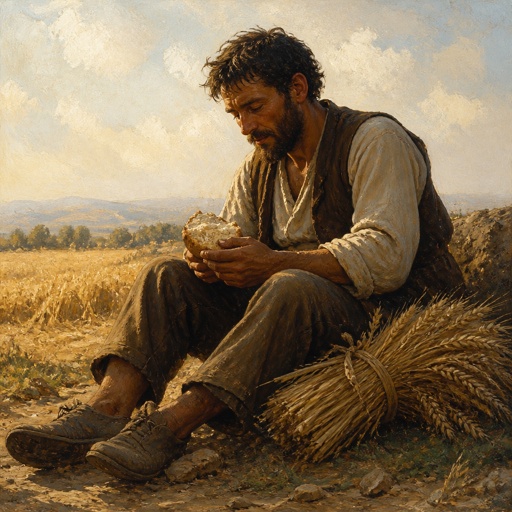
"He that laboureth laboureth for himself; for his mouth craveth it of him." - Proverbs 16:26
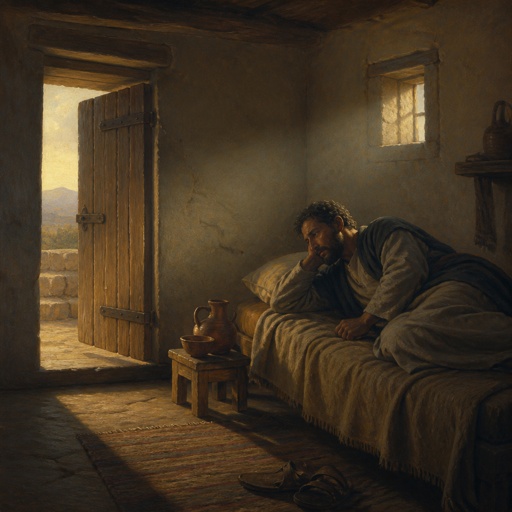
"As the door turneth upon his hinges, so doth the slothful upon his bed." - Proverbs 26:14

"The wrath of a king is as messengers of death: but a wise man will pacify it." - Proverbs 16:14
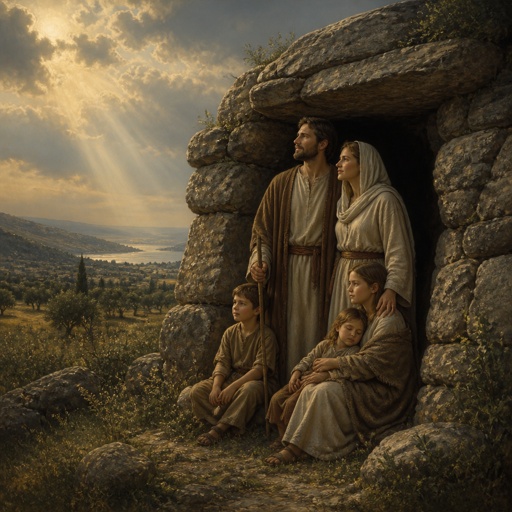
"In the fear of the LORD is strong confidence: and his children shall have a place of refuge." - Proverbs 14:26
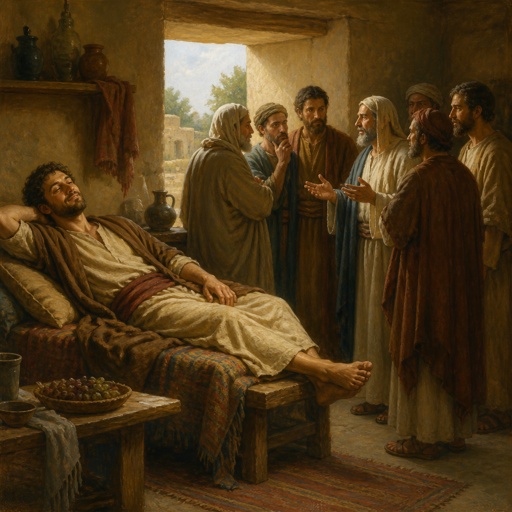
"The sluggard is wiser in his own conceit than seven men that can render a reason." - Proverbs 26:16

Proverbs 26:15-16 - "The sluggard buries his hand in the dish; it wears him out to bring it back to his mouth. The sluggard is wiser in his own eyes than seven men who can answer sensibly."

"A wise man feareth, and departeth from evil: but the fool rageth, and is confident." - Proverbs 14:16

Proverbs 7:26

Proverbs 26:26 - "Whose hatred is covered by deceit, his wickedness shall be shewed before the whole congregation."

Proverbs 7:26-27

Proverbs 16

Proverbs 30:26 - "The conies are but a feeble folk, yet make they their houses in the rocks;"

Proverbs 27:26 - "The lambs are for thy clothing, and the goats are the price of the field."

Proverbs 27:16

Proverbs 26:18 - "As a mad man who casteth firebrands, arrows, and death,"

Proverbs 26:7 - "The legs of the lame are not equal: so is a parable in the mouth of fools."

Proverbs 26:3 - "A whip for the horse, a bridle for the ass, and a rod for the fool's back."

Proverbs 26:13 - "The slothful man saith, There is a lion in the way; a lion is in the streets."

Proverbs 15:26 - "The thoughts of the wicked are an abomination to the LORD: but the words of the pure are pleasant words."

Proverbs 20:26 - "A wise king scattereth the wicked, and bringeth the wheel over them."

Proverbs 26:1 - "As snow in summer, and as rain in harvest, so honour is not seemly for a fool."

Proverbs 26:22 - "The words of a talebearer are as wounds, and they go down into the innermost parts of the belly."