What does Proverbs 26:11 mean?
"As a dog returneth to his vomit, so a fool returneth to his folly." - Proverbs 26:11
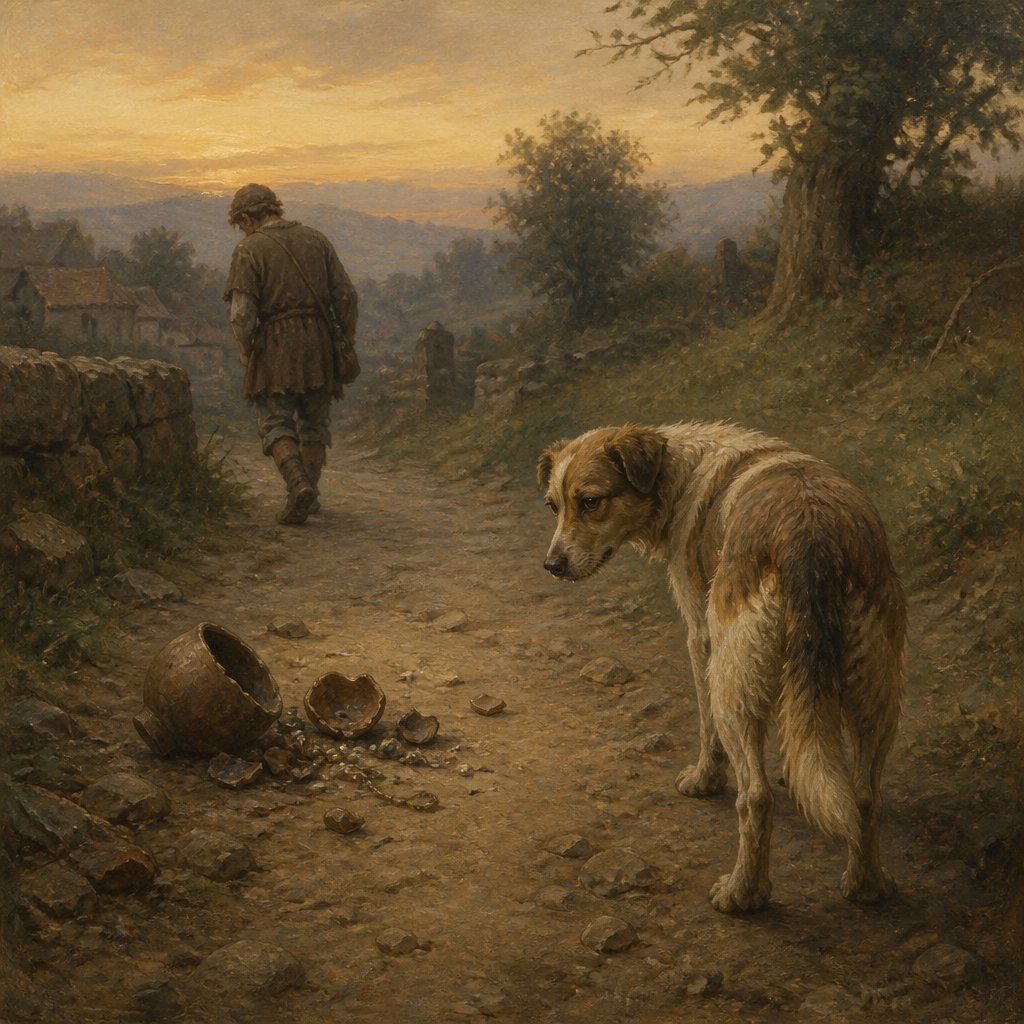
Proverbs 26:11 in the King James Version of the Bible reads, "As a dog returneth to his vomit, so a fool returneth to his folly." This verse is a powerful and visceral image that offers deep insight into the nature of foolishness and the tendency of humans to repeat their mistakes.
The use of the metaphor of a dog returning to its vomit is quite vivid and unpleasant, but it effectively communicates the idea of a foolish person persistently returning to their own destructive behavior. The act of a dog returning to its vomit is a revolting image, and it conveys the sense of disgust and futility that comes with repeatedly engaging in folly.
The verse is attributed to King Solomon, known for his wisdom and understanding, and it is likely that he included this proverb as a cautionary tale to his audience. Solomon used vivid and concrete images to convey his teachings, and this particular image of a dog and its vomit is one that would have resonated with the people of his time. It is a striking and memorable picture that effectively conveys the idea of someone returning to their foolish ways despite the negative consequences.
The broader context of Proverbs 26 deals with the topic of fools and folly, and this verse is situated within a passage that provides a series of proverbs and sayings about the characteristics and behaviors of fools. The book of Proverbs is a collection of wisdom literature attributed largely to King Solomon, and it offers practical advice and moral guidance on a wide range of topics.
The verse draws attention to the persistent nature of foolishness, highlighting the fact that a fool is unable to learn from their mistakes and is prone to repeating them. Just as a dog is driven by its instinct to return to its vomit despite the repulsiveness of the act, a fool is driven by their own folly and is unable to break free from it.
The symbolism of the dog and its vomit can be seen as a powerful warning against the dangers of repeating destructive behavior. The image evokes a sense of disgust and repulsion, and it serves as a vivid reminder of the unpleasant consequences that come with persisting in foolishness.
One of the key themes of this verse is the idea of personal responsibility and the importance of learning from one's mistakes. It serves as a powerful admonition against the destructive cycle of repeating folly and failing to grow and mature. The verse challenges the reader to reflect on their own actions and to consider the consequences of persisting in foolish behavior.
Furthermore, the verse can be seen as a call to wisdom and discernment. The image of the dog and its vomit serves as a stark contrast to the wisdom and understanding that is valued in the book of Proverbs. In this context, the verse can be interpreted as a powerful exhortation to seek wisdom and to avoid the pitfalls of foolishness.
In conclusion, Proverbs 26:11 in the King James Version of the Bible presents a powerful and striking image that conveys deep insight into the nature of foolishness and the consequences of repeating destructive behavior. The vivid and visceral metaphor of a dog returning to its vomit effectively communicates the futility and disgust associated with persisting in folly. The verse serves as a powerful cautionary tale and a call to seek wisdom and discernment, challenging the reader to break free from the cycle of foolishness and to learn from their mistakes.
Have questions about Proverbs 26:11?
Dive deeper into this scripture with Bible Chat — an AI-powered tool for exploring God's Word through conversation. Ask questions, get context, and grow in your understanding of the Bible.
Get Our Apps


Proverbs 26:11 Artwork

Proverbs 26:11 - "As a dog returneth to his vomit, so a fool returneth to his folly."
"As a dog returneth to his vomit, so a fool returneth to his folly." - Proverbs 26:11

Proverbs 11:26 - "He that withholdeth corn, the people shall curse him: but blessing shall be upon the head of him that selleth it."

Proverbs 7:26
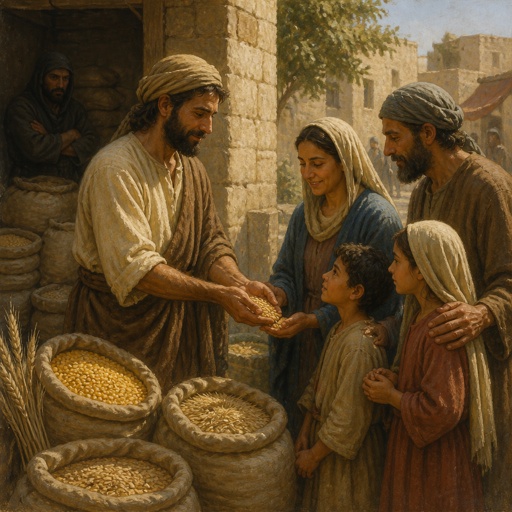
"He that withholdeth corn, the people shall curse him: but blessing shall be upon the head of him that selleth it." - Proverbs 11:26

Proverbs 26:26 - "Whose hatred is covered by deceit, his wickedness shall be shewed before the whole congregation."

Proverbs 7:26-27

Proverbs 30:26 - "The conies are but a feeble folk, yet make they their houses in the rocks;"

Proverbs 27:26 - "The lambs are for thy clothing, and the goats are the price of the field."

Proverbs 26:18 - "As a mad man who casteth firebrands, arrows, and death,"

Proverbs 26:7 - "The legs of the lame are not equal: so is a parable in the mouth of fools."

Proverbs 26:3 - "A whip for the horse, a bridle for the ass, and a rod for the fool's back."

Proverbs 26:13 - "The slothful man saith, There is a lion in the way; a lion is in the streets."

Proverbs 11:11 - "By the blessing of the upright the city is exalted: but it is overthrown by the mouth of the wicked."

Proverbs 15:26 - "The thoughts of the wicked are an abomination to the LORD: but the words of the pure are pleasant words."

Proverbs 16:26 - "He that laboureth laboureth for himself; for his mouth craveth it of him."

Proverbs 20:26 - "A wise king scattereth the wicked, and bringeth the wheel over them."

Proverbs 26:1 - "As snow in summer, and as rain in harvest, so honour is not seemly for a fool."

Proverbs 26:22 - "The words of a talebearer are as wounds, and they go down into the innermost parts of the belly."

Proverbs 17:26 - "Also to punish the just is not good, nor to strike princes for equity."

Proverbs 22:26 - "Be not thou one of them that strike hands, or of them that are sureties for debts."

Proverbs 11:2

Proverbs 11:2

proverbs 5:11

Proverbs 11:2

Proverbs 11:7

Proverbs 11:2

Proverbs 11:2

Proverbs 11:2

Proverbs 11:2