What does Proverbs 25:21 mean?
"If thine enemy be hungry, give him bread to eat; and if he be thirsty, give him water to drink:" - Proverbs 25:21
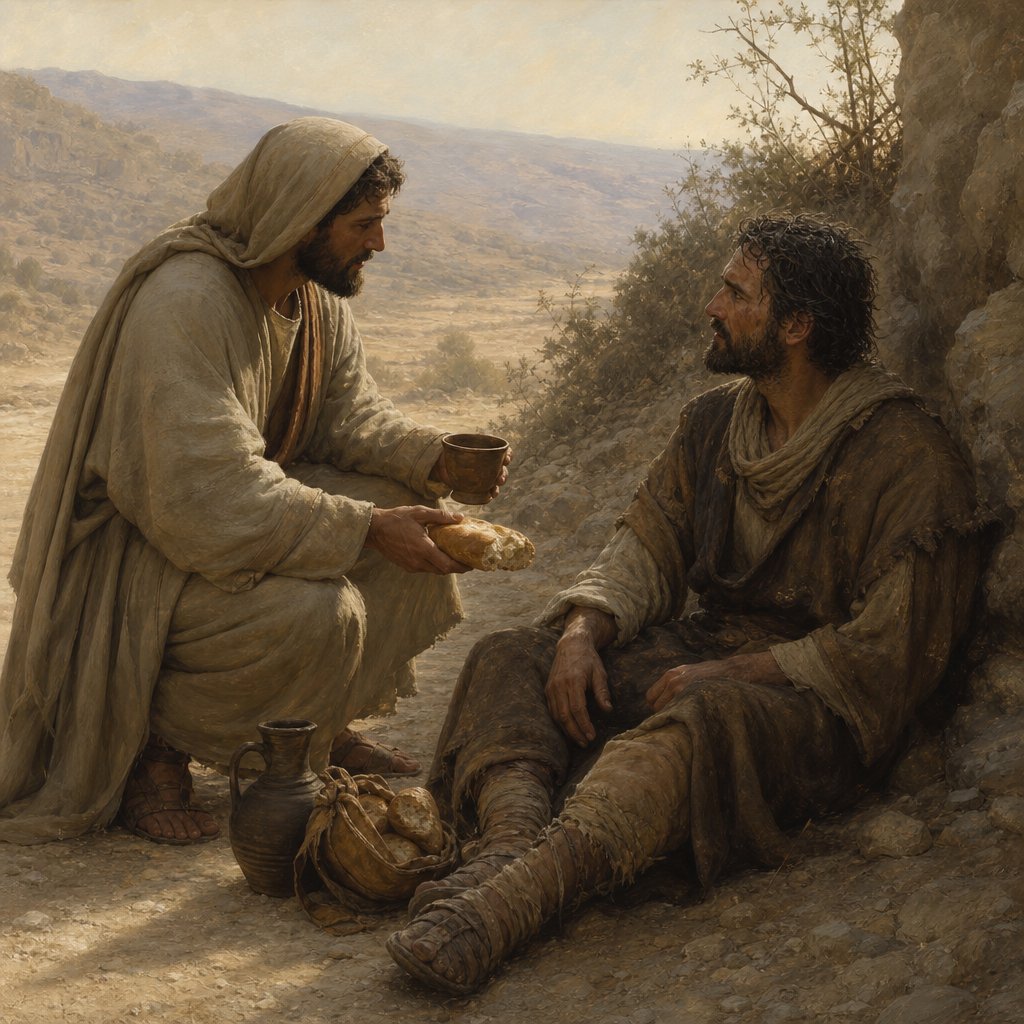
“Proverbs 25:21” in the King James Version reads, “If thine enemy be hungry, give him bread to eat; and if he be thirsty, give him water to drink.”
In its plain sense, the verse commands a deliberate act of kindness toward a person who is not merely a stranger but an “enemy,” someone who opposes you, has wronged you, or stands against your interests. The wisdom of the proverb is not sentimental; it is practical righteousness. It directs the reader away from the instinct of retaliation and toward an active, concrete mercy. The kindness required is not vague goodwill but tangible relief: “bread to eat” and “water to drink.” These are the most basic provisions of life, the necessities that keep a person from weakness and harm. By choosing bread and water, the proverb symbolically reaches down to the level of essential human need. It is saying that even hostility does not cancel the enemy’s humanity, and that the righteous person is to respond to need with compassion rather than with vengeance.
The immediate context within Proverbs supports this as a piece of “wisdom” meant to govern everyday conduct, especially in moments when emotions run hot. Proverbs often deals with how a wise person handles conflict, speech, pride, anger, and justice in ordinary relationships. In that setting, this line functions as moral instruction for the community: it tells you what to do when you have power to harm or ignore someone who has harmed or opposed you. Wisdom here is not cleverness; it is the fear of the LORD worked out in behavior that restrains the flesh and honors what is right. The proverb assumes that a person might be tempted to let an enemy suffer—hungry, thirsty—either as payback or as a way to “teach them a lesson.” Instead, the verse calls for self-control and benevolence. It is a refusal to become like the enemy in spirit, and a refusal to let personal injury dictate moral action.
The themes within the verse gather around mercy, the overcoming of evil by good, and the transformation of relationships through unexpected generosity. Feeding and giving drink are also classic signs of hospitality in Scripture’s world, where travel, scarcity, and social vulnerability were common. To give an enemy bread and water is to treat him, at least for that moment, not as a target but as a neighbor in need. That carries a moral weight: it places God’s standard above personal grievance. It also hints at the power of kindness to break cycles of hostility. While the proverb does not promise that the enemy will immediately become a friend, it teaches that righteousness is not dependent on the enemy’s deserving. The act is right because it aligns with God’s wisdom, not because it guarantees a favorable outcome.
Symbolically, “hunger” and “thirst” can also be read as moments of vulnerability and exposure. An enemy who is hungry or thirsty is weakened, and a person who hates you might be tempted to exploit that weakness. The proverb forbids exploiting it and instead turns vulnerability into an opportunity for moral victory. Bread and water, being common and unadorned, emphasize sincerity: the goal is not to impress others with grand gestures but to meet a real need. It is goodness that is quiet, necessary, and immediate.
The significance of the verse is heightened when it is read in light of what follows in the next verse, because Proverbs 25:21 is part of a two-verse thought. Proverbs 25:22 continues, “For thou shalt heap coals of fire upon his head, and the LORD shall reward thee.” Even without quoting beyond the verse itself, knowing that it belongs to that continuation clarifies that the kindness is not weakness; it is a moral strategy that leaves room for God to deal justly. Feeding the enemy is, in the logic of the proverb, a way of confronting evil without mirroring it. The “enemy” is met with a deed that can awaken conscience, expose shame, and remove excuses for continued hostility. The righteous person does not manipulate or pretend; rather, he does good in the presence of wrong, trusting that God sees and that God values such obedience.
In prose, Proverbs 25:21 teaches that wisdom refuses revenge and chooses mercy in the most practical form. When the one who opposes you is reduced to need, you are not permitted to gloat, starve him out, or satisfy yourself with his suffering. You are told to feed him and give him drink. By doing so, you act from a higher allegiance than personal injury, you acknowledge the image of God even in an adversary, and you participate in a kind of righteousness that breaks the expected pattern of hatred returning hatred. The verse’s force lies in its simplicity: bread and water. Yet that simplicity is precisely the point—when conflict is complicated and the heart is tempted toward bitterness, wisdom gives a clear command. Do good to the one who has done you ill, and let your righteousness be measured not by how you treat friends, but by how you treat enemies when you have the chance to repay them.
Have questions about Proverbs 25:21?
Dive deeper into this scripture with Bible Chat — an AI-powered tool for exploring God's Word through conversation. Ask questions, get context, and grow in your understanding of the Bible.
Get Our Apps


Proverbs 25:21 Artwork

Proverbs 25:21 - "If thine enemy be hungry, give him bread to eat; and if he be thirsty, give him water to drink:"
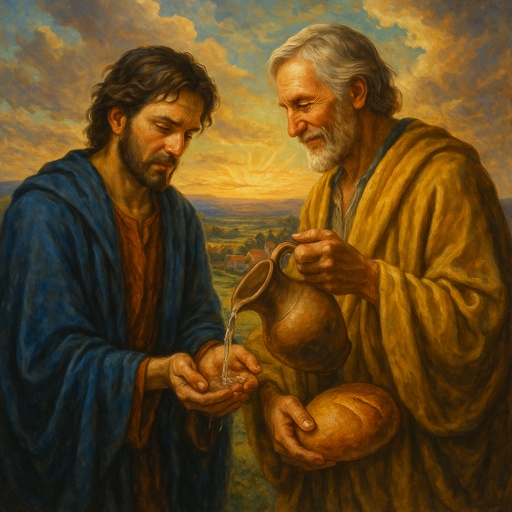
"If thine enemy be hungry, give him bread to eat; and if he be thirsty, give him water to drink:" - Proverbs 25:21

Proverbs 25:21-22 - "If your enemy is hungry, give him food to eat; if he is thirsty, give him water to drink. In doing this, you will heap burning coals on his head, and the LORD will reward you."
"If thine enemy be hungry, give him bread to eat; and if he be thirsty, give him water to drink:" - Proverbs 25:21
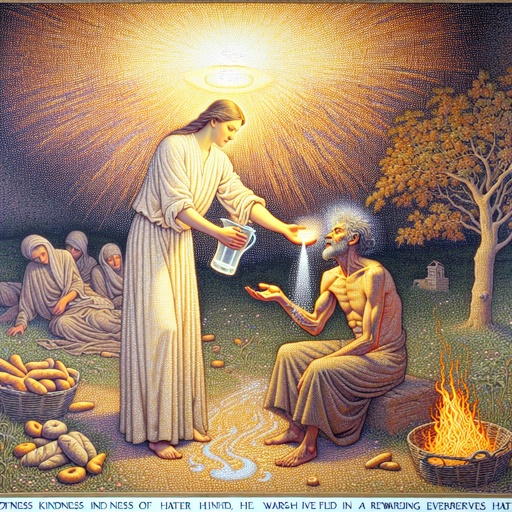
Proverbs 25:21-22 KJV (21) If thine enemy be hungry, give him bread to eat; and if he be thirsty, give him water to drink: (22) For thou shalt heap coals of fire upon his head, and the LORD shall reward thee.
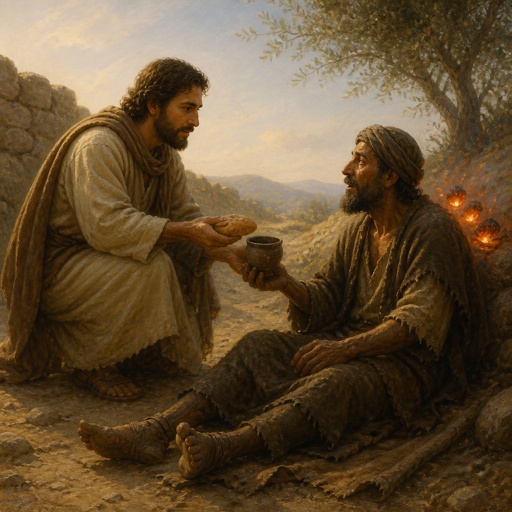
"If your enemy is hungry, give him food to eat; if he is thirsty, give him water to drink. In doing this, you will heap burning coals on his head, and the LORD will reward you." - Proverbs 25:21-22

Proverbs 21:25 - "The desire of the slothful killeth him; for his hands refuse to labour."
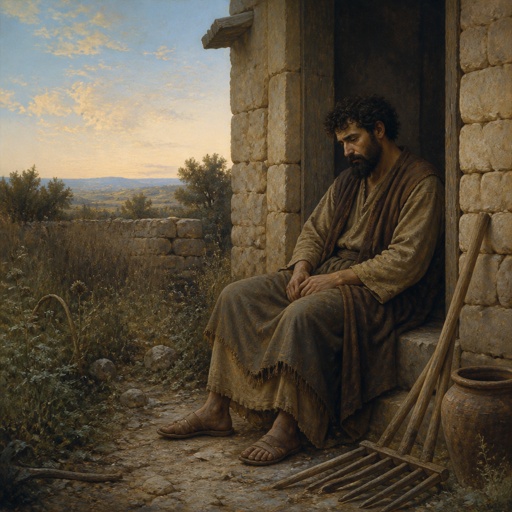
"The desire of the slothful killeth him; for his hands refuse to labour." - Proverbs 21:25

Proverbs 21:25-26 - "The desire of the lazy man kills him, For his hands refuse to labor. He covets greedily all day long, But the righteous gives and does not spare."

Proverbs 25:1 - "These are also proverbs of Solomon, which the men of Hezekiah king of Judah copied out."

Proverbs 18:21

Proverbs 18:21

Proverbs 18:21

Proverbs 18:21

Proverbs 18:21

Proverbs 25:25 - "As cold waters to a thirsty soul, so is good news from a far country."

Proverbs 18:21

Proverbs 18:21

Proverbs 18:21

Proverbs 18:21

Proverbs 18:21
Proverbs 18:21

Proverbs 18:21

proverbs 21 7

Proverbs 31:21

Proverbs 21:21 - "He that followeth after righteousness and mercy findeth life, righteousness, and honour."

Matthew 25:21

Matthew 25:21

Genesis 21-25

Genesis 21:25