What does Proverbs 22:7 mean?
"The rich ruleth over the poor, and the borrower is servant to the lender." - Proverbs 22:7
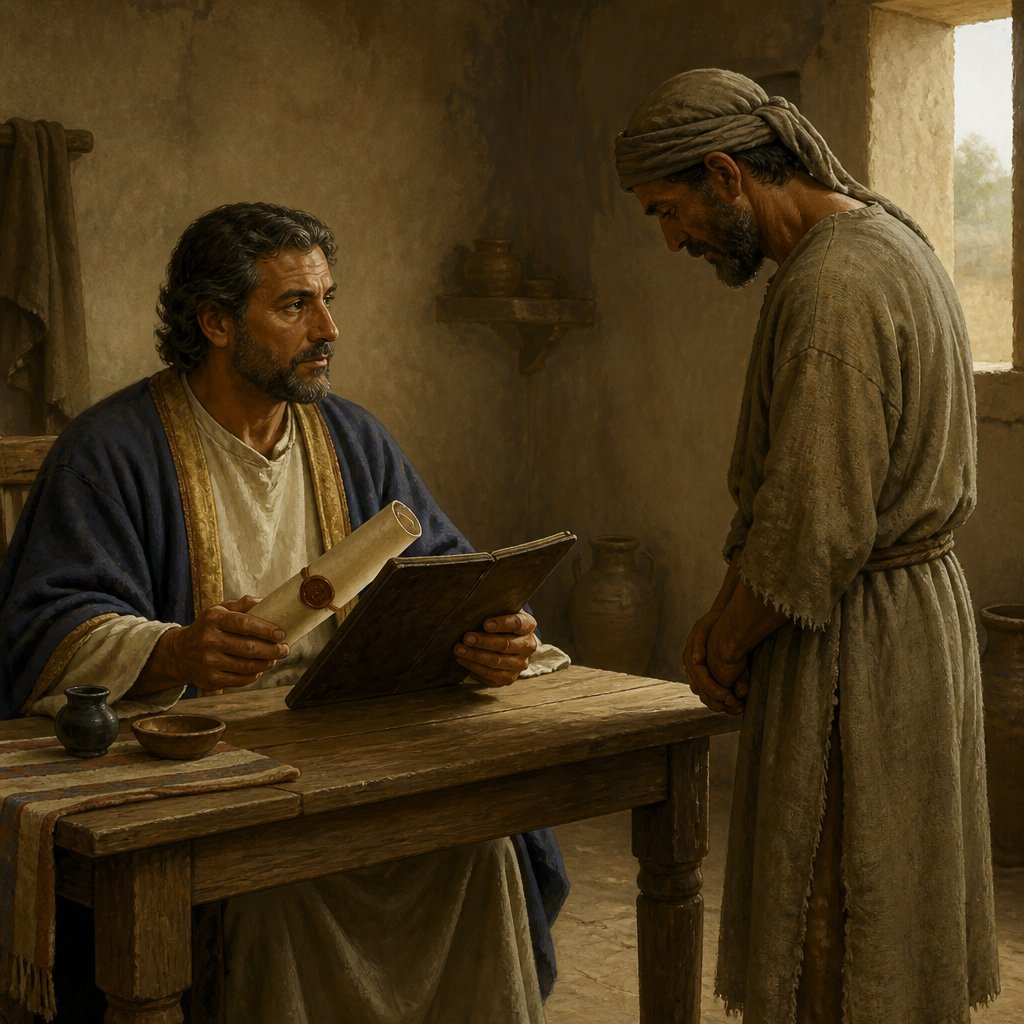
Proverbs 22:7 in the King James Version of the Bible states, "The rich ruleth over the poor, and the borrower is servant to the lender." This verse offers timeless wisdom on the consequences of financial decisions and the enduring nature of socioeconomic inequality.
The primary theme of this verse is the issue of power dynamics and control within the context of wealth and poverty. It paints a vivid picture of the unequal relationship between the rich and the poor, highlighting the inherent power that comes with wealth and the resulting subjugation of the poor. The verse presents a stark reality: in a world where wealth determines social status and influence, those who are in debt are essentially enslaved to their lenders.
The context in which this verse was written is crucial to understanding its significance. The Proverbs were traditionally attributed to King Solomon, who was renowned for his wisdom and insight. During Solomon's reign, Israel experienced a period of great prosperity and economic growth. However, this prosperity also gave rise to social and economic disparities, with a clear divide between the wealthy elite and the impoverished masses. In this context, Proverbs 22:7 serves as a cautionary reminder of the pitfalls of financial dependency and the enduring consequences of indebtedness.
The symbolism in this verse is powerful and poignant. The rich and the poor symbolize the broader social and economic divide, with the former exercising dominance and control over the latter. The act of borrowing is portrayed as a form of servitude, where the borrower becomes subservient to the lender, relinquishing their autonomy and freedom.
This verse serves as a timeless warning about the perils of financial irresponsibility and the enduring impact of economic inequality. It emphasizes the importance of prudence and fiscal responsibility, as well as the need for equitable distribution of wealth and resources. The enduring relevance of this verse is evidenced in its resonance across different cultures and historical periods, holding true in the present day as it did thousands of years ago.
Beyond its literal interpretation, Proverbs 22:7 also offers a deeper spiritual lesson. It serves as a reminder of the inherent dangers of placing too much emphasis on material wealth and the pursuit of financial gain at the expense of ethical and moral considerations. It underscores the importance of compassion, empathy, and justice in our interactions with others, particularly those who may be less fortunate.
In conclusion, Proverbs 22:7 from the King James Version of the Bible offers profound insights into the dynamics of wealth and poverty, highlighting the enduring nature of socioeconomic inequality and the consequences of financial decisions. Its themes of power, control, and servitude are as relevant today as they were in ancient times, serving as a timeless admonition to exercise prudence, compassion, and ethical responsibility in our relationships with others and our management of financial resources.
Have questions about Proverbs 22:7?
Dive deeper into this scripture with Bible Chat — an AI-powered tool for exploring God's Word through conversation. Ask questions, get context, and grow in your understanding of the Bible.
Get Our Apps


Proverbs 22:7 Artwork

Proverbs 22:7 - "The rich ruleth over the poor, and the borrower is servant to the lender."
"The rich ruleth over the poor, and the borrower is servant to the lender." - Proverbs 22:7

Proverbs 7:22 - "He goeth after her straightway, as an ox goeth to the slaughter, or as a fool to the correction of the stocks;"

please create a Christmas card for a 7 year old kid to explain Proverbs 22:9.
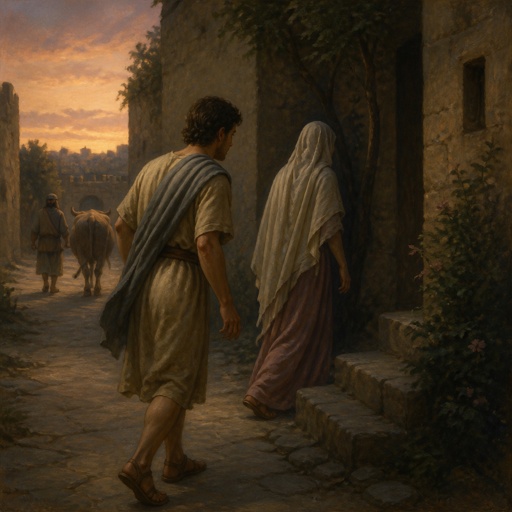
"He goeth after her straightway, as an ox goeth to the slaughter, or as a fool to the correction of the stocks;" - Proverbs 7:22

Proverbs 22:9

Proverbs 22:22 - "Rob not the poor, because he is poor: neither oppress the afflicted in the gate:"

Proverbs 8:22-31

Proverbs 8:22-36

Proverbs 22:4 - "By humility and the fear of the LORD are riches, and honour, and life."

Proverbs 7:26

Proverbs 11:7

proverbs 21 7

Proverbs 15:22 - "Without counsel purposes are disappointed: but in the multitude of counsellors they are established."

Proverbs 10:22 - "The blessing of the LORD, it maketh rich, and he addeth no sorrow with it."

Proverbs 12:22 - "Lying lips are abomination to the LORD: but they that deal truly are his delight."

Proverbs 22:23 - "For the LORD will plead their cause, and spoil the soul of those that spoiled them."

Proverbs 22:20 - "Have not I written to thee excellent things in counsels and knowledge,"

Proverbs 22:12 - "The eyes of the LORD preserve knowledge, and he overthroweth the words of the transgressor."

Proverbs 22:28 - "Remove not the ancient landmark, which thy fathers have set."

Proverbs 26:22 - "The words of a talebearer are as wounds, and they go down into the innermost parts of the belly."

Proverbs 22:26 - "Be not thou one of them that strike hands, or of them that are sureties for debts."

Proverbs 4:22 - "For they are life unto those that find them, and health to all their flesh."

Proverbs 8:22-31 – Wisdom’s role in creation.

Proverbs 22:2 - "The rich and poor meet together: the LORD is the maker of them all."

Proverbs 24:22 - "For their calamity shall rise suddenly; and who knoweth the ruin of them both?"

Proverbs 22:25 - "Lest thou learn his ways, and get a snare to thy soul."

Proverbs 19:22 - "The desire of a man is his kindness: and a poor man is better than a liar."

Proverbs 22:13 - "The slothful man saith, There is a lion without, I shall be slain in the streets."

Proverbs 22:24 - "Make no friendship with an angry man; and with a furious man thou shalt not go:"