What does Proverbs 21:25 mean?
"The desire of the slothful killeth him; for his hands refuse to labour." - Proverbs 21:25
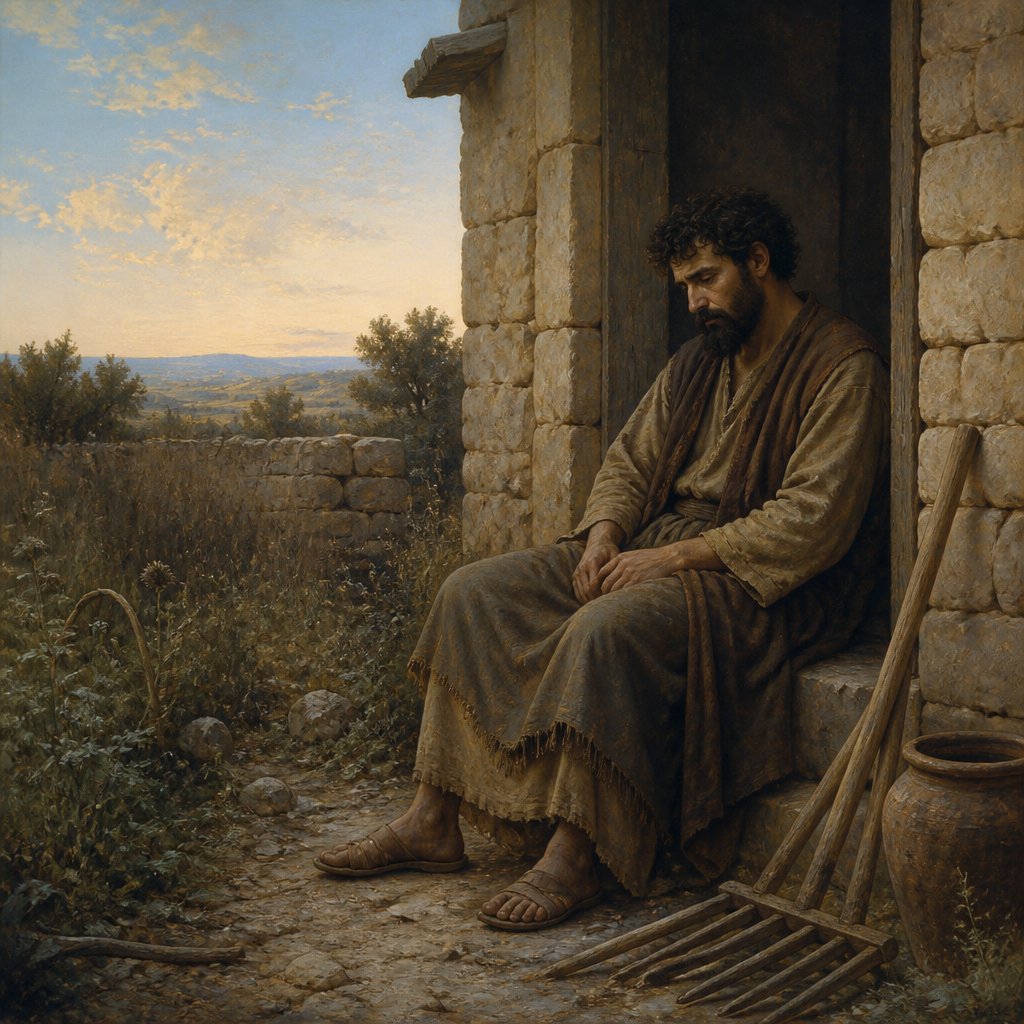
Proverbs 21:25 in the King James Version of the Bible states, "The desire of the slothful killeth him; for his hands refuse to labour." This verse speaks to the consequences of laziness and the refusal to engage in productive work. In this commentary, we will explore the deeper meaning and themes present in this verse, as well as provide context and symbolism to help understand its significance.
Context:
The book of Proverbs is a collection of wise sayings and teachings attributed to King Solomon. It is a part of the Old Testament and is known for its practical wisdom and moral guidance. The verse in question is part of a larger section of Proverbs that focuses on the contrast between the diligent and the lazy, and the consequences of their respective actions.
Meaning:
The verse begins by emphasizing the desire of the slothful, or lazy, individual. This desire is likely a craving for comfort, ease, or instant gratification without the effort of hard work. However, the verse warns that this desire is ultimately detrimental, as it leads to the individual's own destruction.
The second part of the verse highlights the slothful individual's refusal to labor. This refusal stems from a lack of motivation, commitment, or discipline to engage in productive work. As a result, the slothful person fails to fulfill their responsibilities and contribute to society, leading to their own demise.
Themes:
The overarching theme of Proverbs 21:25 is the contrast between diligence and laziness. The verse emphasizes the importance of hard work, responsibility, and commitment to labor. It warns against the dangers of idleness and the pursuit of selfish desires at the expense of one's own well-being.
Another theme present in this verse is the concept of personal accountability. It suggests that individuals are responsible for their own actions and the consequences that follow. The slothful person's demise is attributed to their own desires and choices, highlighting the principle of reaping what one sows.
Symbolism:
The slothful individual in Proverbs 21:25 serves as a symbolic representation of laziness, irresponsibility, and self-destructive behavior. The refusal to labor symbolizes a lack of motivation and purposeful engagement in meaningful work. This symbolizes the broader implications of neglecting one's duties and squandering the opportunities for personal growth and contribution to society.
The desire of the slothful can also be seen as a symbol of the allure of instant gratification and the avoidance of hardship. This symbolizes the temptation to prioritize comfort and pleasure over the discipline and perseverance required for success and fulfillment.
In summary, Proverbs 21:25 in the King James Version of the Bible conveys a timeless message about the perils of slothfulness and the rewards of diligent labor. It emphasizes the importance of personal responsibility and the pursuit of meaningful work. Through its themes and symbolism, this verse serves as a powerful reminder of the consequences of laziness and the virtues of hard work and perseverance.
Have questions about Proverbs 21:25?
Dive deeper into this scripture with Bible Chat — an AI-powered tool for exploring God's Word through conversation. Ask questions, get context, and grow in your understanding of the Bible.
Get Our Apps


Proverbs 21:25 Artwork

Proverbs 21:25 - "The desire of the slothful killeth him; for his hands refuse to labour."

Proverbs 21:25-26 - "The desire of the lazy man kills him, For his hands refuse to labor. He covets greedily all day long, But the righteous gives and does not spare."
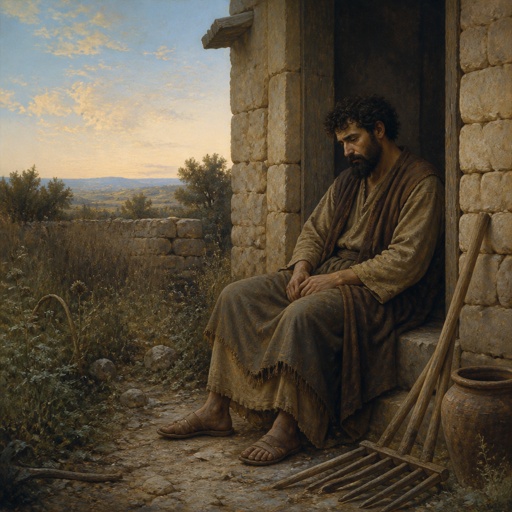
"The desire of the slothful killeth him; for his hands refuse to labour." - Proverbs 21:25
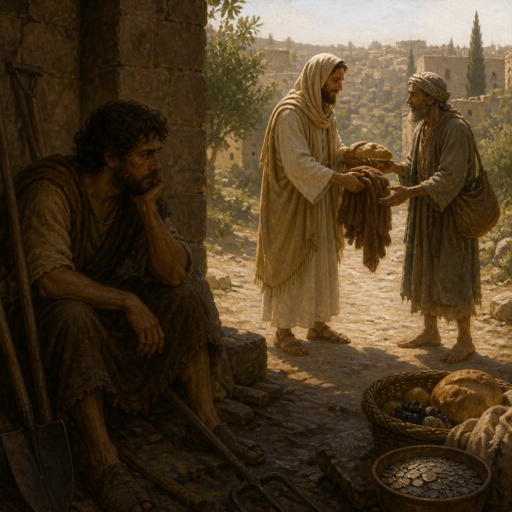
"The desire of the lazy man kills him, For his hands refuse to labor. He covets greedily all day long, But the righteous gives and does not spare." - Proverbs 21:25-26

Proverbs 25:21 - "If thine enemy be hungry, give him bread to eat; and if he be thirsty, give him water to drink:"
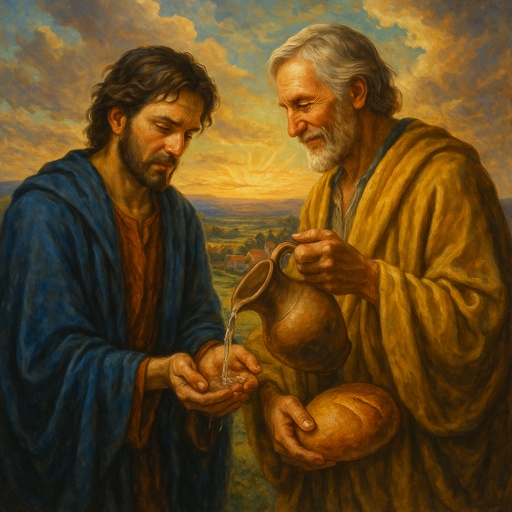
"If thine enemy be hungry, give him bread to eat; and if he be thirsty, give him water to drink:" - Proverbs 25:21

Proverbs 25:21-22 - "If your enemy is hungry, give him food to eat; if he is thirsty, give him water to drink. In doing this, you will heap burning coals on his head, and the LORD will reward you."
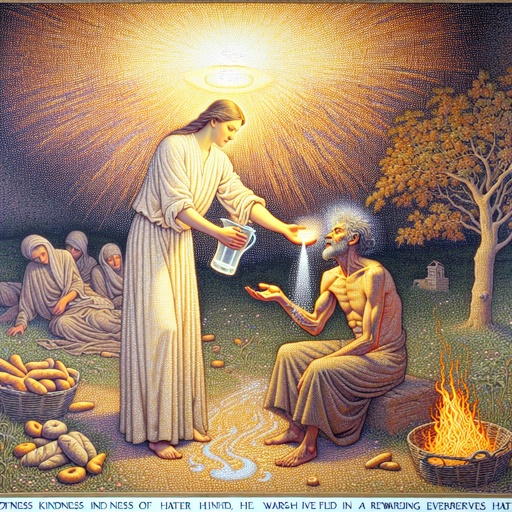
Proverbs 25:21-22 KJV (21) If thine enemy be hungry, give him bread to eat; and if he be thirsty, give him water to drink: (22) For thou shalt heap coals of fire upon his head, and the LORD shall reward thee.
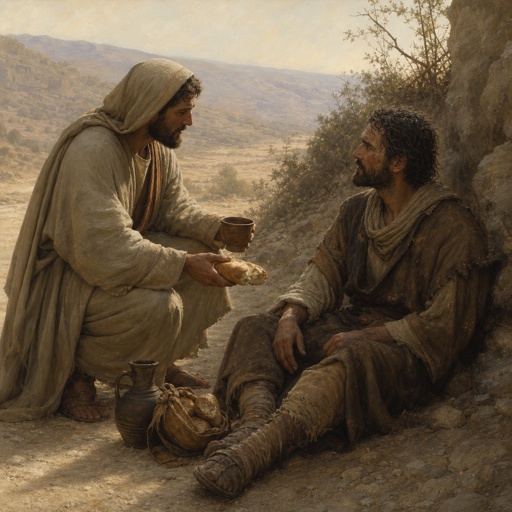
"If thine enemy be hungry, give him bread to eat; and if he be thirsty, give him water to drink:" - Proverbs 25:21

Proverbs 25:1 - "These are also proverbs of Solomon, which the men of Hezekiah king of Judah copied out."

Proverbs 18:21

Proverbs 18:21

Proverbs 18:21

Proverbs 18:21

Proverbs 18:21

Proverbs 25:25 - "As cold waters to a thirsty soul, so is good news from a far country."

Proverbs 18:21

Proverbs 18:21

Proverbs 18:21

Proverbs 18:21

Proverbs 18:21
Proverbs 18:21

Proverbs 18:21

proverbs 21 7

Proverbs 31:21

Proverbs 21:21 - "He that followeth after righteousness and mercy findeth life, righteousness, and honour."

Matthew 25:21

Matthew 25:21

Genesis 21-25

Genesis 21:25