What does Proverbs 20:6 mean?
"Most men will proclaim every one his own goodness: but a faithful man who can find?" - Proverbs 20:6
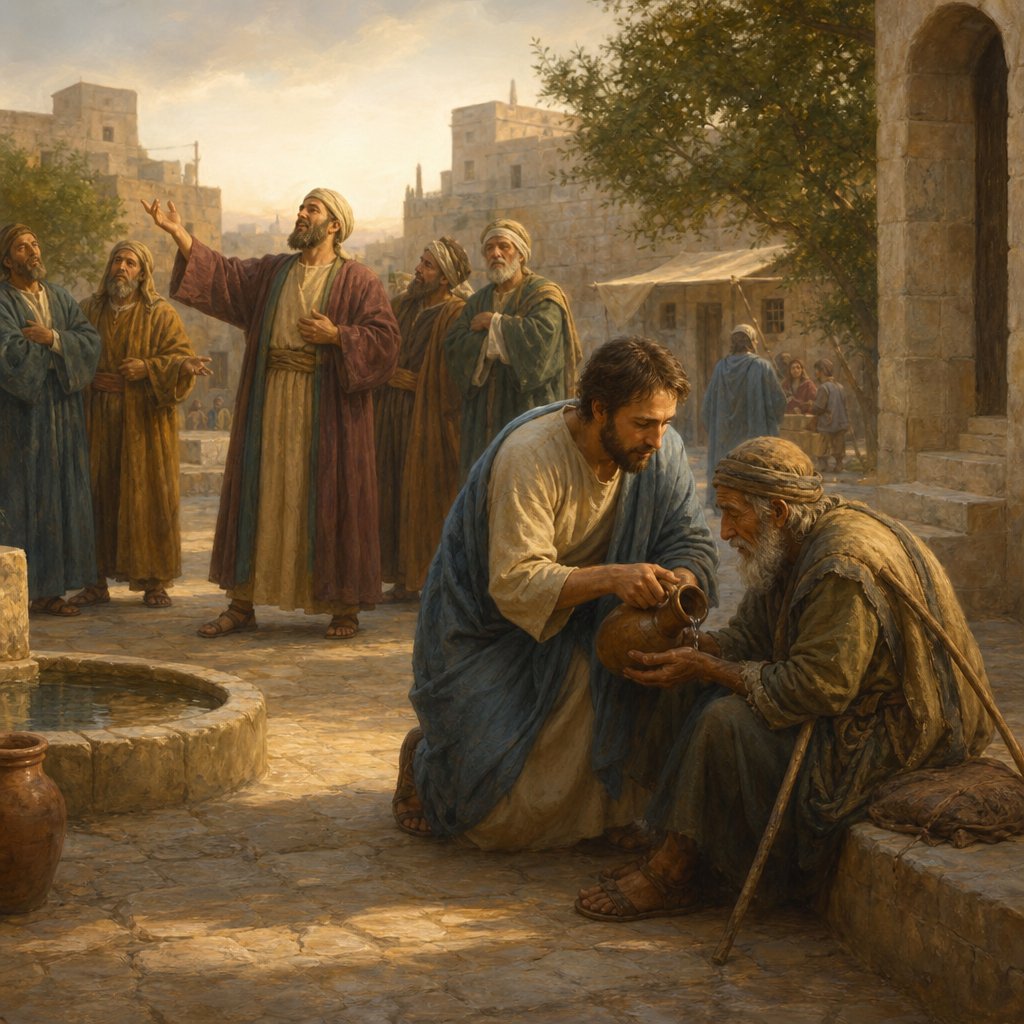
“Most men will proclaim every one his own goodness: but a faithful man who can find?” (Proverbs 20:6, KJV).
In its plain sense, this proverb contrasts two kinds of reputation: the reputation people loudly claim for themselves, and the reputation that is quietly proved by steady faithfulness. “Most men” speaks as a general observation about human nature. The verse does not argue that no one ever does good, but that it is common for people to be quick to announce their “own goodness,” to publish their virtues, to tell their side of the story, to defend their name, and to shape how others see them. The language “will proclaim” suggests public display, self-advertisement, and the ease with which words can be used to create an image. It presses the reader to recognize that self-praise is cheap, because words can be spoken without the weight of tested character behind them.
Against that noisy self-proclamation stands the searching question: “but a faithful man who can find?” In Proverbs, “faithful” is more than a claim or a feeling; it is reliability over time, truthfulness, loyalty, and steadfastness under pressure. A “faithful man” is someone whose promises can be trusted, whose integrity holds when there is no audience, and whose conduct remains consistent when circumstances change. The proverb’s question is not merely cynical; it is a moral challenge. It implies rarity, not impossibility, and it calls the reader away from the easier path of sounding righteous and toward the harder path of being dependable.
The context of Proverbs 20 supports this reading because the chapter repeatedly distinguishes between appearances and realities, between speech and substance, and between immediate advantage and enduring integrity. The surrounding proverbs touch on justice, honesty, and the testing of character. Within that kind of wisdom context, Proverbs 20:6 becomes a mirror held up to the heart: it warns that reputation can be manufactured by talk, but faithfulness is discovered only by observation over time. It also hints that discernment is needed, because many will present themselves as “good,” but the truly “faithful” are known by consistent fruits rather than confident claims.
There is symbolism in the contrast between proclamation and finding. “Proclaim” evokes the marketplace or the public square where voices compete and self-presentation is strategic; “find” evokes a search for something scarce and precious. The proverb treats faithfulness like a treasure that must be sought and verified, not like a title one can simply assume. It also exposes the difference between what is loud and what is true: self-declared goodness often comes with volume, while faithfulness often comes with quiet endurance. In that sense, the verse teaches that the most significant virtues are not those most easily advertised.
The themes, then, are humility, integrity, and the testing of character. It cautions against trusting self-testimony, because people naturally “proclaim” themselves in the best light. It elevates the virtue of fidelity as the thing most worth valuing and yet most difficult to locate. It invites self-examination: am I the kind of person who must speak often of my goodness, or the kind of person whose faithfulness can be “found” in the record of my actions? And it shapes how one evaluates others: not by their claims, however religious or impressive, but by whether they can be depended upon in truth, in duty, in friendship, and in the ordinary obligations where real character is proven.
Ultimately, Proverbs 20:6 gives wisdom for life among people. It teaches that good words about oneself are common, but a life that consistently keeps faith is uncommon. By framing it as a question—“who can find?”—the verse leaves the reader with a sober appreciation for genuine reliability and a call to become the kind of person whose goodness does not need proclamation because it is demonstrated by steadfast faithfulness.
Have questions about Proverbs 20:6?
Dive deeper into this scripture with Bible Chat — an AI-powered tool for exploring God's Word through conversation. Ask questions, get context, and grow in your understanding of the Bible.
Get Our Apps


Proverbs 20:6 Artwork

Proverbs 20:6 - "Most men will proclaim every one his own goodness: but a faithful man who can find?"
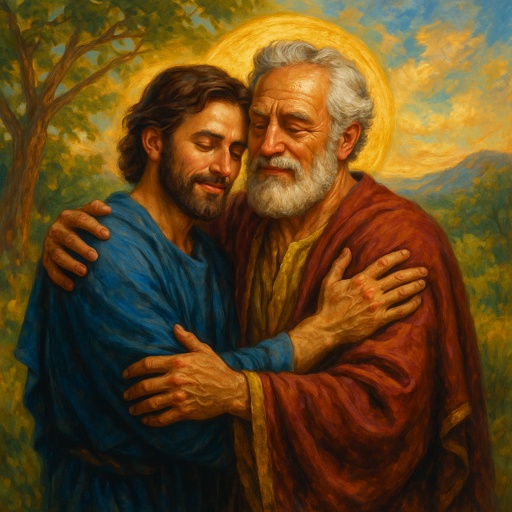
"Most men will proclaim every one his own goodness: but a faithful man who can find?" - Proverbs 20:6
"Most men will proclaim every one his own goodness: but a faithful man who can find?" - Proverbs 20:6
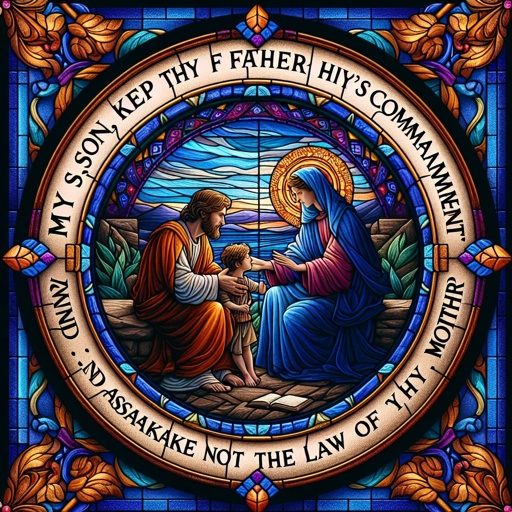
Proverbs 6:20 - "¶ My son, keep thy father's commandment, and forsake not the law of thy mother:"
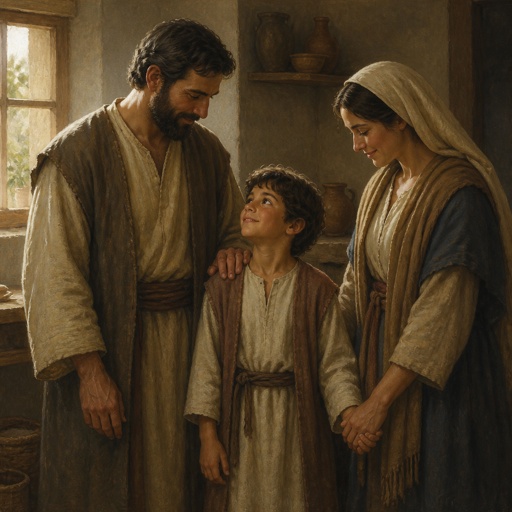
"¶ My son, keep thy father's commandment, and forsake not the law of thy mother:" - Proverbs 6:20

1. Proverbs 6:20 encourages us to keep our father's command and bind them to our hearts, illustrating the importance of internalizing God's truths.

proverbs 1:20

proverbs 1:20

proverbs 1:20

proverbs 1:20

proverbs 1:20

proverbs 1:20

proverbs 1:20

proverbs 1:20

proverbs 1:20

proverbs 1:20

proverbs 1:20

Proverbs 1:20

proverbs 1:20

proverbs 1:20

proverbs 1:20

proverbs 1:20

proverbs 1:20

proverbs 1:20

proverbs 1:20

proverbs 1:20

proverbs 1:20

proverbs 1:20

proverbs 1:20

proverbs 1:20