What does Proverbs 20:4 mean?
"The sluggard will not plow by reason of the cold; therefore shall he beg in harvest, and have nothing." - Proverbs 20:4
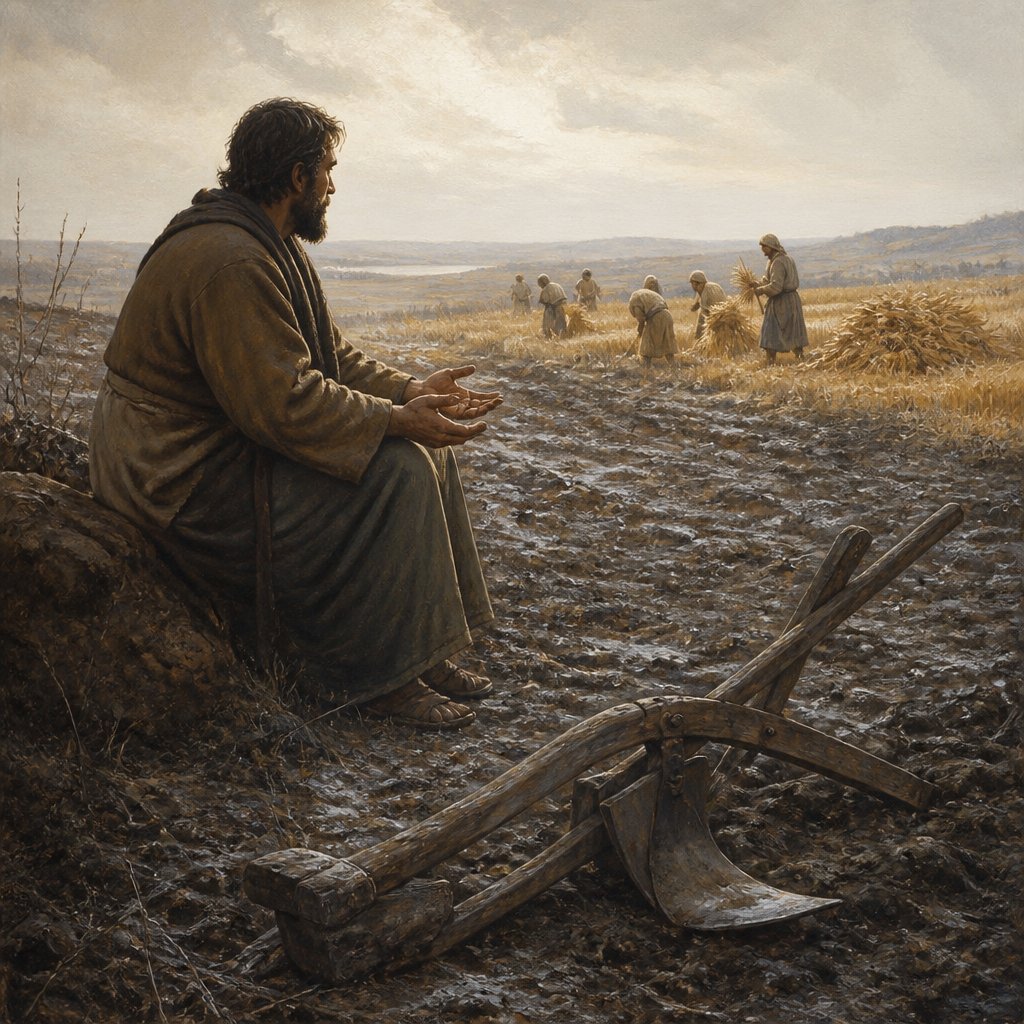
“Proverbs 20:4 – The sluggard will not plow by reason of the cold; therefore shall he beg in harvest, and have nothing.”
Proverbs 20:4 is a proverbial statement found in the Old Testament of the Bible. This verse offers a sharp commentary on the consequences of laziness and procrastination. It uses the imagery of agriculture to convey its message, making it relatable to the agrarian society in which it was written. The verse speaks to the universal human experience of reaping what one sows, and the folly of neglecting hard work and discipline.
The verse begins with the description of a “sluggard,” a term used in the Bible to characterize a person who is habitually lazy, idle, and disinclined to work. The sluggard is depicted as refusing to plow his fields due to the cold, thereby avoiding the laborious task of preparing the ground for planting. This evokes the image of a farmer who neglects his responsibilities and makes excuses for his inaction. By avoiding the difficult work of plowing, he thinks he is sparing himself discomfort, but in reality, he is setting himself up for failure.
The subsequent part of the verse contains a prophetic warning – “therefore shall he beg in harvest, and have nothing.” This serves as a direct consequence of the sluggard’s indolence. When the time for reaping comes, the lazy man will find himself in desperate need, reduced to begging for sustenance. His lack of diligence and foresight will have left him with nothing to show for the harvest, and he will face the harsh reality of his own poverty.
Upon closer examination, the verse conveys several themes that resonate deeply with human experience. One central theme is that of personal responsibility. The sluggard’s plight is the direct result of his own actions – or rather, his lack of action. His failure to plow the fields is a choice, and the subsequent poverty and need that he experiences are a direct result of that choice. This theme emphasizes the importance of hard work, discipline, and taking ownership of one’s actions and their consequences.
Another theme present in this verse is that of delayed gratification and the importance of long-term planning. The sluggard prioritizes his immediate comfort over the future abundance that could come from his efforts. His shortsightedness and lack of perseverance lead to his downfall. This theme encourages readers to consider the long-term implications of their actions and to prioritize hard work and perseverance over immediate gratification.
The verse also carries a message about the value of diligence and industry. By illustrating the negative consequences of the sluggard’s laziness, the verse extols the virtues of hard work and industry. It serves as a cautionary tale, warning readers of the dangers of idleness and urging them to embrace a diligent and industrious spirit.
In its broader context, Proverbs 20:4 is part of the Book of Proverbs, traditionally attributed to King Solomon, the son of David. The Book of Proverbs is a collection of wisdom literature that offers practical advice on various aspects of life, including work, relationships, and moral conduct. As such, this verse is in keeping with the book’s overall emphasis on the value of wisdom, discipline, and righteousness.
Symbolically, the plowing of fields can represent the effort and diligence required to cultivate a fruitful and fulfilling life. The sluggard’s refusal to plow serves as a symbol of neglecting the essential work needed for personal growth and success. The harvest, in turn, represents the rewards of one’s labor, and the sluggard’s lack of harvest symbolizes the absence of these rewards due to his own negligence. Symbolically, this verse urges readers to engage in the hard work and effort necessary to cultivate a fulfilling and abundant life.
In conclusion, Proverbs 20:4 delivers a powerful message about the consequences of laziness and the value of diligence, industry, and long-term planning. Its themes of personal responsibility, delayed gratification, and the virtues of hard work continue to resonate with readers across cultures and time periods. The verse serves as a timeless reminder of the importance of taking ownership of one’s actions, prioritizing diligent effort, and planning for the future.
Have questions about Proverbs 20:4?
Dive deeper into this scripture with Bible Chat — an AI-powered tool for exploring God's Word through conversation. Ask questions, get context, and grow in your understanding of the Bible.
Get Our Apps


Proverbs 20:4 Artwork

Proverbs 20:4 - "The sluggard will not plow by reason of the cold; therefore shall he beg in harvest, and have nothing."
"The sluggard will not plow by reason of the cold; therefore shall he beg in harvest, and have nothing." - Proverbs 20:4

Proverbs 4:20 - "¶ My son, attend to my words; incline thine ear unto my sayings."
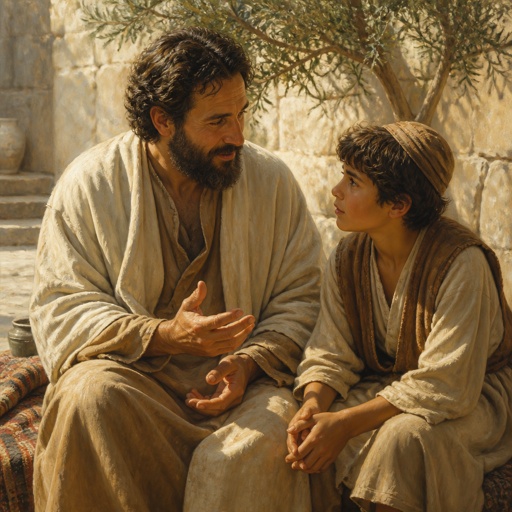
"¶ My son, attend to my words; incline thine ear unto my sayings." - Proverbs 4:20

proverbs 1:20

proverbs 1:20

proverbs 1:20

proverbs 1:20

proverbs 1:20

proverbs 1:20

proverbs 1:20

proverbs 1:20

proverbs 1:20

proverbs 1:20

proverbs 1:20

proverbs 1:20

proverbs 1:20

proverbs 1:20

Proverbs 1:20

proverbs 1:20

proverbs 1:20

proverbs 1:20

proverbs 1:20

proverbs 1:20

proverbs 1:20

proverbs 1:20

proverbs 1:20

proverbs 1:20

proverbs 1:20

proverbs 1:20