What does Proverbs 16:32 mean?
"He that is slow to anger is better than the mighty; and he that ruleth his spirit than he that taketh a city." - Proverbs 16:32
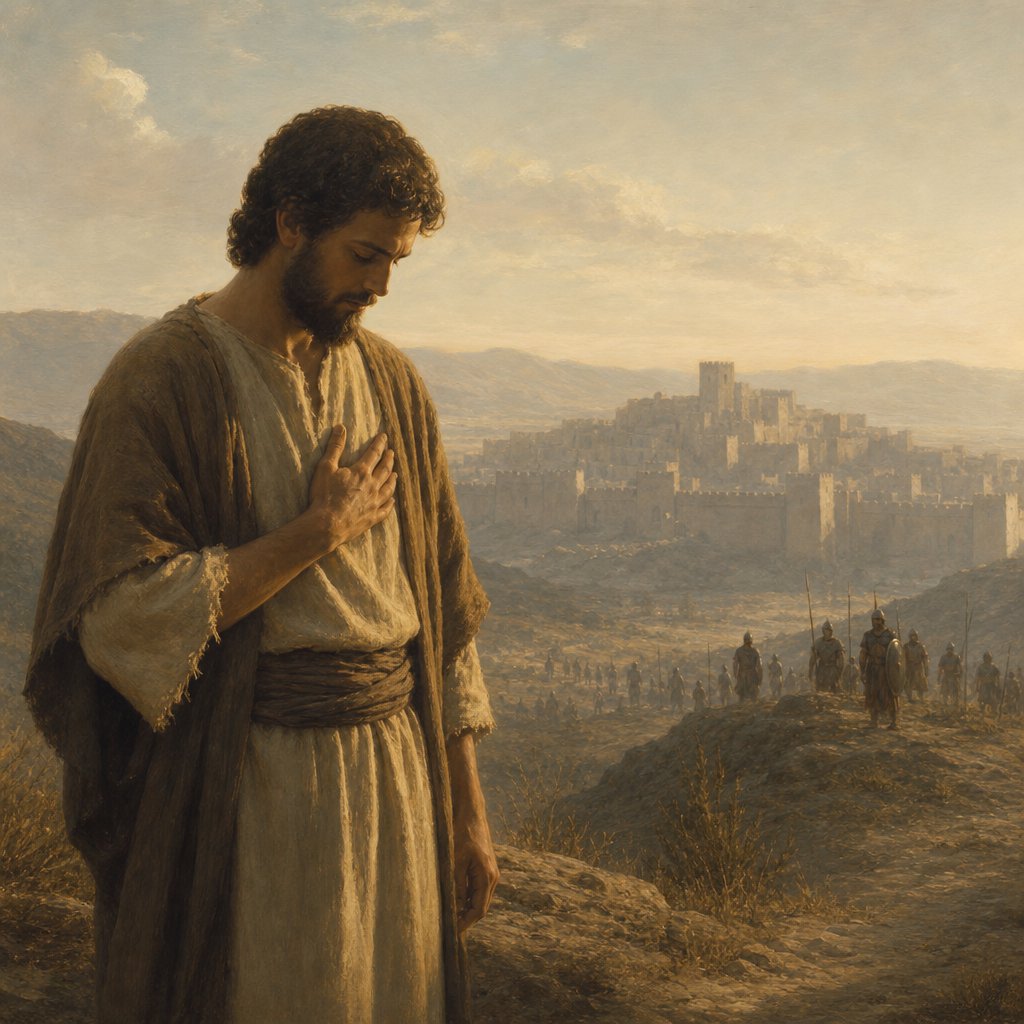
“Proverbs 16:32” in the King James Version reads, “He that is slow to anger is better than the mighty; and he that ruleth his spirit than he that taketh a city.”
In the plain force of its words, the verse declares that the highest kind of strength is not the strength that can overpower others, but the strength that can master oneself. In the world the proverb speaks into, “the mighty” would be the admired warrior, the man of physical power, reputation, and visible victories. To “take a city” evokes the crowning achievement of ancient conflict: breaching walls, subduing opponents, claiming territory, and returning with honor. Yet this verse overturns that common scale of greatness by announcing that patient restraint and inward government exceed the glory of conquest. The one who is “slow to anger” is called “better than the mighty,” and the one who “ruleth his spirit” is set above the city-taker. The comparison is not subtle; it is meant to recalibrate what is considered heroic.
The immediate context of Proverbs 16 supports this reversal by repeatedly contrasting human self-assertion with the wiser fear of the LORD and the sobering reality that God weighs motives and directs outcomes. Earlier in the chapter, “All the ways of a man are clean in his own eyes; but the LORD weigheth the spirits” (Proverbs 16:2), and later, “Pride goeth before destruction, and an haughty spirit before a fall” (Proverbs 16:18). Within that stream of thought, Proverbs 16:32 highlights a specific battleground where pride and self-will often reign: the moment of provocation. Anger, especially quick anger, is one of the chief engines of rash speech, violent action, broken relationships, and moral collapse. To be “slow to anger” is therefore not mere temperament but a kind of wisdom that refuses to be hurried into sin by insult, frustration, or fear.
The themes of the verse are built on two linked images: delay and rule. “Slow to anger” pictures a man who does not ignite instantly. The slowness is not cowardice or indifference; it is measured strength, the ability to endure provocation without surrendering control. In the language of Proverbs, anger is often a doorway into folly, but slowness creates space for understanding, restraint, and righteous judgment. The second phrase, “he that ruleth his spirit,” moves deeper than emotional restraint in a single moment. “Ruleth” is kingly language. It implies governance, discipline, and an ordered inner life. “His spirit” points to the inward seat of impulses: passions, appetites, pride, and the turbulent movements that surge up before reason and conscience can speak. The proverb treats the inner life as a realm that must be governed; if it is not ruled, it will rule. In that sense, the verse casts every person as a kind of ruler, either a wise ruler over the self or an unwise subject enslaved to the self.
The symbolism of “taketh a city” adds weight to the comparison. A city in the ancient world represented strength, security, and identity. Cities were fortified, defended, and coveted; to take one required strategy, patience, courage, and force. By setting self-mastery above city-taking, the proverb suggests that the soul is more complex than stone walls and iron gates, and that victory over one’s own anger is a more difficult and more valuable achievement than victory over external enemies. A city can be taken once and then lost again; a spirit ruled in wisdom produces a steadier, lifelong fruit. The verse also implies that a man who cannot govern himself is not truly mighty, no matter how great his outward power. He may conquer others while being conquered inwardly.
The significance of the verse also lies in what it assumes about anger. Anger is treated as something that seeks dominion. It wants to seize the throne of the heart, to command the tongue, to direct the hands. When Proverbs says a man “ruleth his spirit,” it implies that anger is not merely felt but handled, not merely experienced but restrained, judged, and redirected. This does not require pretending that wrong is right; rather, it requires refusing to let wrath become the master. The proverb therefore honors a quiet kind of valor: the ability to remain under control when the moment offers every excuse to explode.
In the wider moral landscape of Proverbs, this is part of the book’s steady insistence that wisdom is not only what one knows but what one is. Wisdom appears as self-command, patience, and the fear of the LORD shaping the inner man. The “mighty” and the conqueror receive applause because their victories are public; the slow-to-anger man may be overlooked because his battles are hidden. Yet the proverb calls that hidden warfare the greater triumph. It teaches that the most decisive victories are not always the ones that change maps, but the ones that change the heart, the tongue, and the direction of a life.
Taken as a whole, Proverbs 16:32 dignifies restraint as strength, presents self-government as true rulership, and exposes uncontrolled anger as a form of inner defeat. It invites the reader to measure greatness not by the power to dominate others, but by the power to submit the self to wise control, choosing patience over impulse and mastery over momentary passion.
Have questions about Proverbs 16:32?
Dive deeper into this scripture with Bible Chat — an AI-powered tool for exploring God's Word through conversation. Ask questions, get context, and grow in your understanding of the Bible.
Get Our Apps


Proverbs 16:32 Artwork

Proverbs 16:32 - "He that is slow to anger is better than the mighty; and he that ruleth his spirit than he that taketh a city."

Proverbs 16:32 Whoever is slow to anger is better than the mighty, and he who rules his spirit than he who takes a city.

Proverbs 16:32 Whoever is slow to anger is better than the mighty, and he who rules his spirit than he who takes a city.
"He that is slow to anger is better than the mighty; and he that ruleth his spirit than he that taketh a city." - Proverbs 16:32

Proverbs 3:32 - "For the froward is abomination to the LORD: but his secret is with the righteous."

Proverbs 23:32 - "At the last it biteth like a serpent, and stingeth like an adder."

Proverbs 10:32 - "The lips of the righteous know what is acceptable: but the mouth of the wicked speaketh frowardness."

Proverbs 24:32 - "Then I saw, and considered it well: I looked upon it, and received instruction."
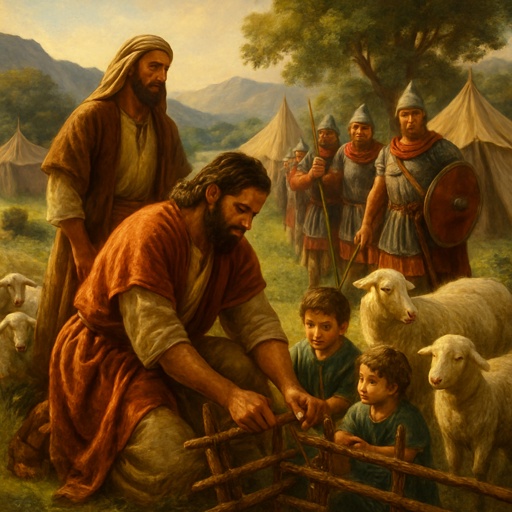
Numbers 32:16-18
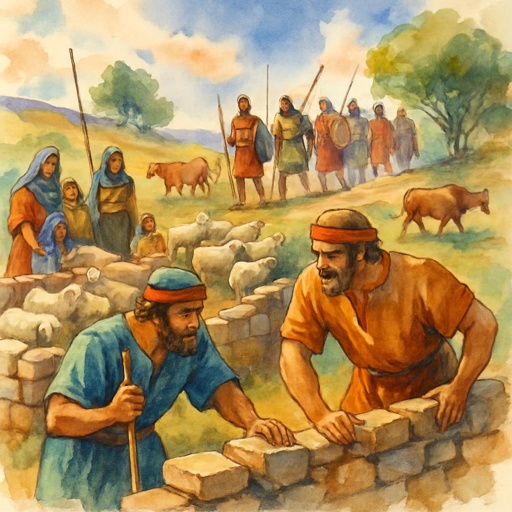
Numbers 32:16-18

Proverbs 14:32 - "The wicked is driven away in his wickedness: but the righteous hath hope in his death."

Proverbs 16

1 Kings 4:32 - "And he spake three thousand proverbs: and his songs were a thousand and five."

Proverbs 1:32 - "For the turning away of the simple shall slay them, and the prosperity of fools shall destroy them."

Proverbs 27:16

Proverbs 15:32 - "He that refuseth instruction despiseth his own soul: but he that heareth reproof getteth understanding."

Proverbs 6:32 - "But whoso committeth adultery with a woman lacketh understanding: he that doeth it destroyeth his own soul."

Proverbs 8:32 - "Now therefore hearken unto me, O ye children: for blessed are they that keep my ways."

Proverbs 16:16 - "How much better is it to get wisdom than gold! and to get understanding rather to be chosen than silver!"

"For the froward is abomination to the LORD: but his secret is with the righteous." - Proverbs 3:32

Proverbs 3:31-32 - "Do not envy the violent or choose any of their ways. For the Lord detests the perverse but takes the upright into his confidence."

Isaiah 32:16 - "Then judgment shall dwell in the wilderness, and righteousness remain in the fruitful field."

Ezekiel 16:32 - "But as a wife that committeth adultery, which taketh strangers instead of her husband!"

Deuteronomy 32:16 - "They provoked him to jealousy with strange gods, with abominations provoked they him to anger."

Acts 16:32 - "And they spake unto him the word of the Lord, and to all that were in his house."

Job 32:16 - "When I had waited, (for they spake not, but stood still, and answered no more;)"

"At the last it biteth like a serpent, and stingeth like an adder." - Proverbs 23:32

Exodus 32:16 - "And the tables were the work of God, and the writing was the writing of God, graven upon the tables."

Proverbs 30:32 - "If thou hast done foolishly in lifting up thyself, or if thou hast thought evil, lay thine hand upon thy mouth."

1 Chronicles 16:32 - "Let the sea roar, and the fulness thereof: let the fields rejoice, and all that is therein."