What does Proverbs 15:11 mean?
"Hell and destruction are before the LORD: how much more then the hearts of the children of men?" - Proverbs 15:11

Proverbs 15:11 (KJV) states, "Hell and destruction are before the LORD: how much more then the hearts of the children of men?" This verse offers a vivid description of the omniscience and omnipresence of God, emphasizing his awareness and judgment of every aspect of human existence. This verse introduces several important themes, including the nature of God, the consequences of sin, and the need for moral introspection.
The verse begins by alluding to the concepts of "hell" and "destruction." In the context of the Old Testament, hell is often understood as a place of eternal punishment reserved for the unrighteous. Destruction represents the perilous fate that awaits those who reject God's righteousness. Together, these images convey a sense of fear and awe, as they underscore the gravity of God's judgment. The fact that these concepts are "before the LORD" suggests that God is intimately acquainted with the realities of hell and destruction, and that he holds ultimate authority over them. This notion mirrors the biblical understanding of the divine as the sovereign ruler and arbiter of justice.
The latter half of the verse draws a parallel between the vast, incomprehensible realities of hell and destruction and the innermost thoughts and intentions of the human heart. "How much more then the hearts of the children of men?" emphasizes the contrast between the cosmic magnitude of hell and destruction and the intimate, personal sphere of human experience. This contrast heightens the significance of moral introspection, suggesting that even the most fundamental aspects of human existence are subject to God's scrutiny and righteousness.
The verse as a whole conveys a sense of moral urgency and accountability. By positioning the realities of hell and destruction alongside the inner workings of the human heart, the verse underscores the pervasive and inescapable nature of moral judgment. It prompts readers to consider the implications of their own thoughts and actions, and it emphasizes the need for spiritual discernment and ethical living. In doing so, the verse aligns with broader biblical teachings about the imperatives of sin, repentance, and virtuous living.
As a symbolic text, Proverbs 15:11 illustrates the interconnectedness of cosmic and personal realities. It serves as a reminder of the divine's immanence and transcendence, as well as the weight of moral responsibility. The verse resonates with the broader theological themes found throughout the biblical tradition, particularly those relating to the nature of God's judgment, human sinfulness, and the primacy of moral introspection.
In its broader context within the book of Proverbs, this verse contributes to the overall theme of wisdom and moral discernment. The book of Proverbs is a collection of practical teachings and aphorisms that offer guidance on how to live a wise and virtuous life. Proverbs 15:11 aligns with this thematic focus by highlighting the necessity of moral introspection and ethical discernment. It reinforces the notion that true wisdom entails an awareness of one's own moral journey and the consequences of one's choices.
In conclusion, Proverbs 15:11 (KJV) offers a profound meditation on the nature of God's judgment, the consequences of sin, and the imperative of moral introspection. By juxtaposing the cosmic realities of hell and destruction with the inner workings of the human heart, the verse emphasizes the inescapable nature of moral accountability and the need for ethical living. It is a powerful testament to the pervasive awareness and authority of the divine, and it serves as a poignant reminder of the value of wisdom and virtue in the human experience.
Have questions about Proverbs 15:11?
Dive deeper into this scripture with Bible Chat — an AI-powered tool for exploring God's Word through conversation. Ask questions, get context, and grow in your understanding of the Bible.
Get Our Apps


Proverbs 15:11 Artwork

Proverbs 15:11 - "Hell and destruction are before the LORD: how much more then the hearts of the children of men?"

"Hell and destruction are before the LORD: how much more then the hearts of the children of men?" - Proverbs 15:11

Proverbs 11:15 - "He that is surety for a stranger shall smart for it: and he that hateth suretiship is sure."
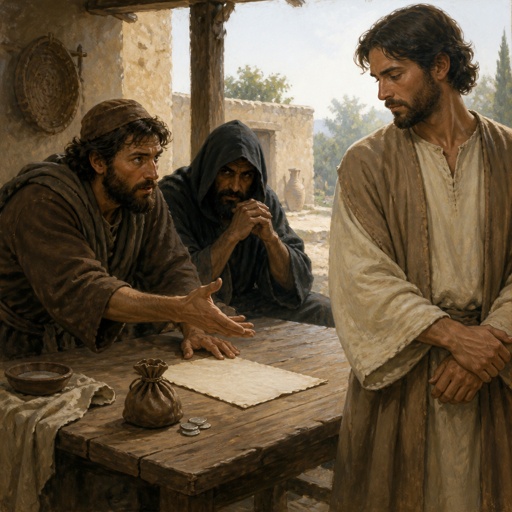
"He that is surety for a stranger shall smart for it: and he that hateth suretiship is sure." - Proverbs 11:15

John 1:1-5

John 1:1-5

Proverbs 11:11 - "By the blessing of the upright the city is exalted: but it is overthrown by the mouth of the wicked."

Proverbs 15:15 - "All the days of the afflicted are evil: but he that is of a merry heart hath a continual feast."

Proverbs 11:2

proverbs 5:11

Proverbs 11:2

Proverbs 11:2

Proverbs 11:7

Proverbs 11:2

Proverbs 11:2

Proverbs 11:2

Proverbs 11:2

Proverbs 2:15 - "Whose ways are crooked, and they froward in their paths:"

proverbs 5:11-12

proverbs 5:11-12

Proverbs 8:15 - "By me kings reign, and princes decree justice."

Proverbs 9:15 - "To call passengers who go right on their ways:"

Proverbs 15:33 - "The fear of the LORD is the instruction of wisdom; and before honour is humility."

Proverbs 4:15 - "Avoid it, pass not by it, turn from it, and pass away."

Proverbs 15:22 - "Without counsel purposes are disappointed: but in the multitude of counsellors they are established."

Proverbs 15:3 - "The eyes of the LORD are in every place, beholding the evil and the good."

Proverbs 20:15 - "There is gold, and a multitude of rubies: but the lips of knowledge are a precious jewel."

Proverbs 15:31 - "The ear that heareth the reproof of life abideth among the wise."

Proverbs 15:6 - "In the house of the righteous is much treasure: but in the revenues of the wicked is trouble."

Proverbs 13:15 - "Good understanding giveth favour: but the way of transgressors is hard."