What does Proverbs 14:31 mean?
"He that oppresseth the poor reproacheth his Maker: but he that honoureth him hath mercy on the poor." - Proverbs 14:31
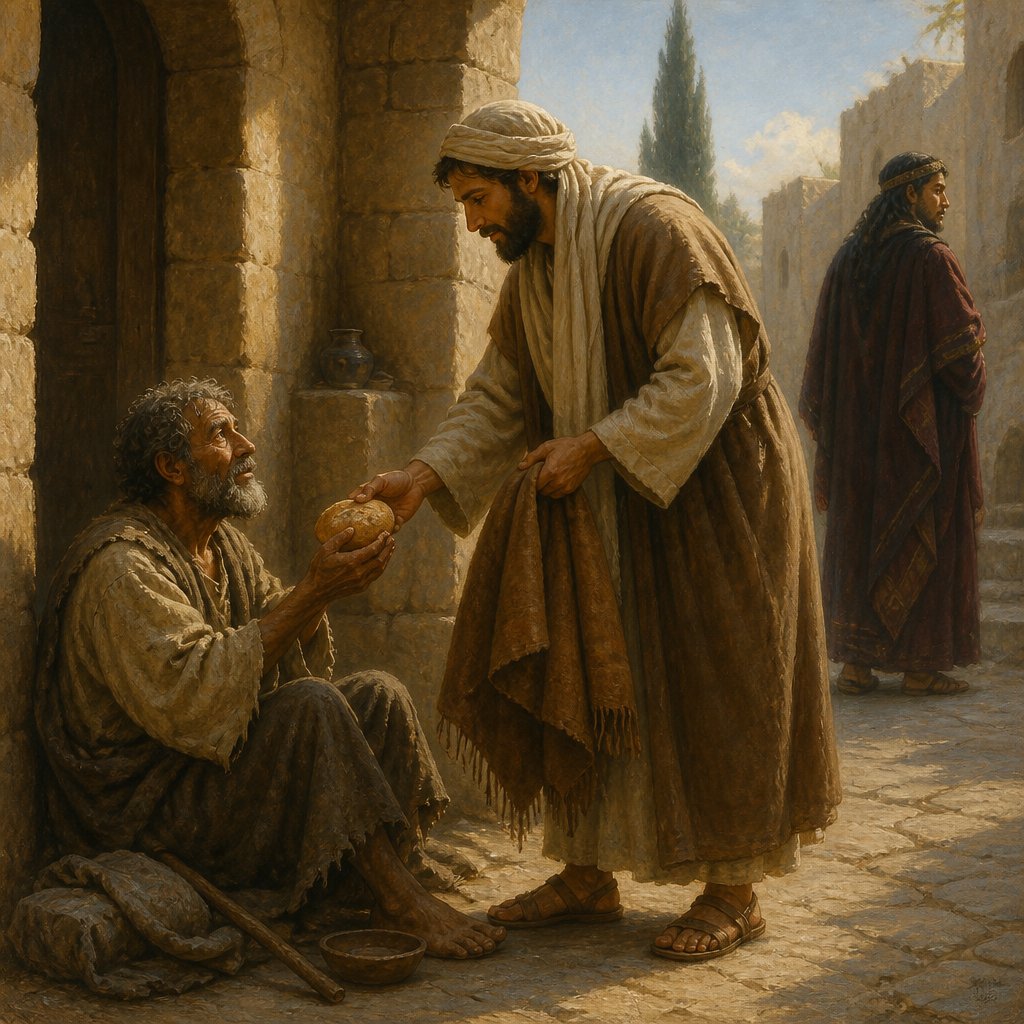
Proverbs 14:31 in the King James Version of the Bible states, "He that oppresseth the poor reproacheth his Maker: but he that honoureth him hath mercy on the poor." This verse is a powerful reminder of the importance of treating others with compassion and empathy, especially towards those who may be in need or less fortunate.
The theme of this verse revolves around the moral and ethical treatment of the poor and oppressed. It emphasizes the idea that mistreating or taking advantage of the poor is not only harmful to them but also an affront to their Creator. The verse is a call to action, urging individuals to honor their Maker by showing mercy and kindness to those who are less fortunate.
In the context of the biblical narrative, this verse is part of the book of Proverbs, which is attributed to King Solomon, known for his wisdom and understanding. The book of Proverbs is a collection of wise sayings and teachings on various aspects of life, including morality, ethics, and human behavior. Proverbs 14:31 fits within this larger context as a guiding principle for how one should interact with others, particularly those who are marginalized or oppressed.
The verse also holds significant symbolism, particularly in its portrayal of the poor and their relationship to their Maker. By stating that oppressing the poor reproaches their Maker, the verse highlights the interconnectedness of all beings and the moral responsibility to honor and respect the inherent dignity of every individual, regardless of their social or economic status. The poor are often seen as symbolic of the marginalized and vulnerable in society, and their treatment becomes a reflection of one's reverence for their Creator.
Furthermore, the verse underscores the importance of showing mercy and compassion towards the poor. Mercy is a central theme throughout the Bible, reflecting God's unconditional love and forgiveness towards humanity. By extending mercy to the poor, individuals are not only honoring their Maker but also embodying the divine attribute of compassion and grace.
In a broader theological sense, Proverbs 14:31 can also be seen as a reflection of the biblical concept of justice and righteousness. The verse condemns the oppression of the poor, aligning with the overarching biblical message of advocating for the rights and well-being of the marginalized. It echoes the prophetic calls for social justice and the obligation to care for the poor and needy, as exemplified in passages such as Isaiah 1:17, which urges, "Learn to do right; seek justice. Defend the oppressed. Take up the cause of the fatherless; plead the case of the widow."
Ultimately, Proverbs 14:31 serves as a moral compass for believers, guiding them towards a life of compassion, empathy, and ethical treatment of others, particularly the poor and oppressed. It challenges individuals to examine their actions and attitudes towards those in need and encourages them to demonstrate honor and mercy as a reflection of their faith and reverence for their Maker. The verse's timeless message continues to resonate as a powerful reminder of the universal call to love and care for one another, especially those who are most vulnerable in society.
Have questions about Proverbs 14:31?
Dive deeper into this scripture with Bible Chat — an AI-powered tool for exploring God's Word through conversation. Ask questions, get context, and grow in your understanding of the Bible.
Get Our Apps


Proverbs 14:31 Artwork

Proverbs 14:31 - "He that oppresseth the poor reproacheth his Maker: but he that honoureth him hath mercy on the poor."
"He that oppresseth the poor reproacheth his Maker: but he that honoureth him hath mercy on the poor." - Proverbs 14:31

Proverbs 31:14 - "She is like the merchants' ships; she bringeth her food from afar."
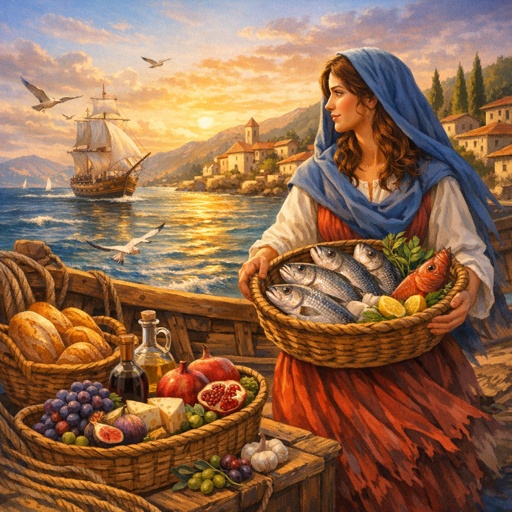
"She is like the merchants’ ships; she bringeth her food from afar." - Proverbs 31:14
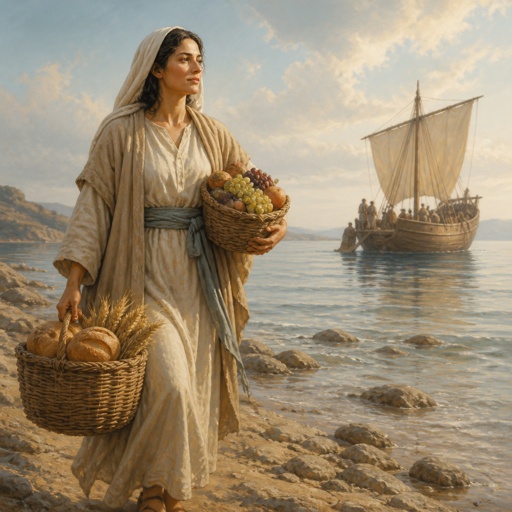
"She is like the merchants' ships; she bringeth her food from afar." - Proverbs 31:14

Proverbs:31:28

Proverbs 31:21

Proverbs 31:31 - "Give her of the fruit of her hands; and let her own works praise her in the gates."

Proverbs 8:22-31

Proverbs 21:31 - "The horse is prepared against the day of battle: but safety is of the LORD."

Proverbs 3:31 - "¶ Envy thou not the oppressor, and choose none of his ways."

Proverbs 15:31 - "The ear that heareth the reproof of life abideth among the wise."

Proverbs 16:31 - "The hoary head is a crown of glory, if it be found in the way of righteousness."

Proverbs 31:5 - "Lest they drink, and forget the law, and pervert the judgment of any of the afflicted."

Proverbs 31:1 - "The words of king Lemuel, the prophecy that his mother taught him."

Proverbs 8:22-31 – Wisdom’s role in creation.

Proverbs 31:13 - "She seeketh wool, and flax, and worketh willingly with her hands."

Proverbs 31:17 - "She girdeth her loins with strength, and strengtheneth her arms."

Proverbs 31:8 - "Open thy mouth for the dumb in the cause of all such as are appointed to destruction."

Mateo 14:31

Proverbs 1:31 - "Therefore shall they eat of the fruit of their own way, and be filled with their own devices."

Proverbs 30:31 - "A greyhound; an he goat also; and a king, against whom there is no rising up."

Proverbs 31:9 - "Open thy mouth, judge righteously, and plead the cause of the poor and needy."

Proverbs 31:19 - "She layeth her hands to the spindle, and her hands hold the distaff."

Proverbs 31:24 - "She maketh fine linen, and selleth it; and delivereth girdles unto the merchant."

Proverbs 31:25 - "Strength and honour are her clothing; and she shall rejoice in time to come."

Proverbs 31:26 - "She openeth her mouth with wisdom; and in her tongue is the law of kindness."

Proverbs 31:29 - "Many daughters have done virtuously, but thou excellest them all."

Proverbs 11:31 - "Behold, the righteous shall be recompensed in the earth: much more the wicked and the sinner."

Proverbs 31:12 - "She will do him good and not evil all the days of her life."