What does Proverbs 11:28 mean?
"He that trusteth in his riches shall fall: but the righteous shall flourish as a branch." - Proverbs 11:28
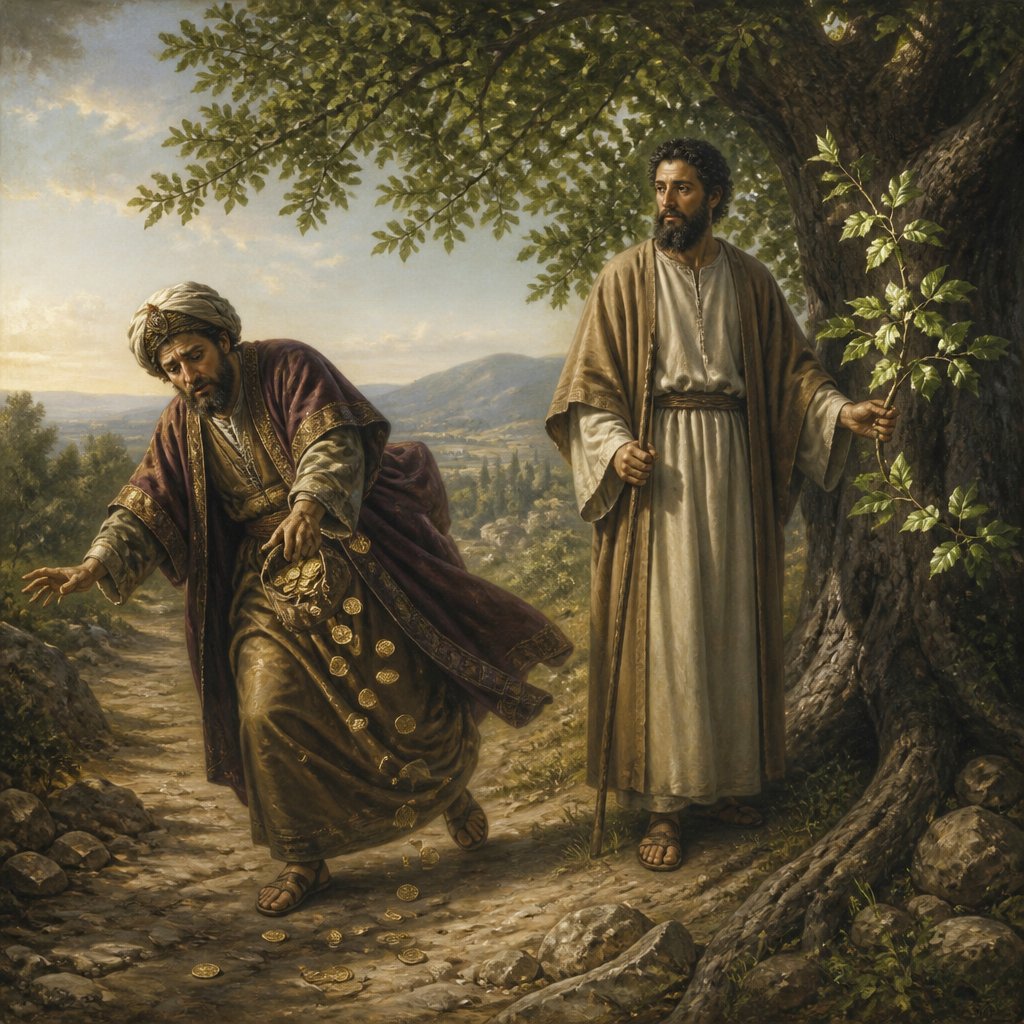
Proverbs 11:28 from the King James Version (KJV) of the Bible states, "He that trusteth in his riches shall fall: but the righteous shall flourish as a branch." This verse offers a powerful commentary on the folly of placing one's trust in material wealth and the enduring prosperity of those who live a righteous and virtuous life.
The first part of the verse, "He that trusteth in his riches shall fall," serves as a cautionary message about the dangers of relying solely on material wealth for security and happiness. In a materialistic and consumer-driven world, it is easy for individuals to measure their worth and success by the size of their bank accounts or the possessions they own. However, the Bible warns that placing one's trust in riches is ultimately a fleeting and insecure foundation. Material wealth is subject to loss, theft, and depreciation, and those who rely solely on it for their security risk experiencing profound disappointment and devastation when their riches fail them. Furthermore, this emphasis on material wealth can lead to greed, selfishness, and a disregard for the needs of others, ultimately leading to moral and spiritual bankruptcy.
The second part of the verse, "but the righteous shall flourish as a branch," offers a stark contrast to the fate of those who trust in their riches. The righteous, or those who live a life in accordance with God's will and commandments, are promised to flourish and thrive like a healthy branch. This metaphor of the branch evokes imagery of vitality, growth, and abundance, representing the enduring prosperity that comes from living a life grounded in righteousness and virtue. By prioritizing moral and spiritual well-being over material wealth, the righteous are able to withstand the trials and tribulations of life with grace and resilience.
This verse aligns with the broader themes of the book of Proverbs, which emphasizes the importance of wisdom, righteousness, and godly living. Throughout the book, there is a consistent contrast drawn between the outcomes of wise and foolish choices, with the righteous being rewarded for their faithfulness and the wicked facing the consequences of their folly. Proverbs 11:28 reaffirms this overarching message, highlighting the inherent value of righteousness and the futility of trusting in temporary riches.
The context of Proverbs 11:28 within the larger body of the book of Proverbs underscores its relevance and significance. Proverbs is attributed to King Solomon, who is renowned for his wisdom and insight, and is filled with practical advice for living a righteous and upright life. The verses preceding and following Proverbs 11:28 similarly offer guidance on subjects such as honesty, humility, and moral integrity, all of which contribute to the overarching theme of living a life aligned with God's will.
In addition to its practical and moral implications, Proverbs 11:28 also carries rich symbolism. The contrast between the fleeting nature of riches and the enduring prosperity of righteousness serves as a powerful metaphor for the dichotomy between material and spiritual wealth. The image of the flourishing branch evokes a sense of rootedness and stability, representing the steadfastness and abundance that comes from a life lived in harmony with God's principles.
In conclusion, Proverbs 11:28 from the King James Version of the Bible offers a timeless and profound commentary on the pitfalls of trusting in material wealth and the enduring prosperity of those who prioritize righteousness. Its cautionary message and promise of flourishing righteousness resonate across cultures and generations, serving as a guiding light for those seeking to live a life of moral and spiritual integrity.
Have questions about Proverbs 11:28?
Dive deeper into this scripture with Bible Chat — an AI-powered tool for exploring God's Word through conversation. Ask questions, get context, and grow in your understanding of the Bible.
Get Our Apps


Proverbs 11:28 Artwork

Proverbs 11:28 - "He that trusteth in his riches shall fall: but the righteous shall flourish as a branch."
"He that trusteth in his riches shall fall: but the righteous shall flourish as a branch." - Proverbs 11:28

Proverbs 28:11 - "The rich man is wise in his own conceit; but the poor that hath understanding searcheth him out."

Proverbs 11:2

Proverbs 11:2

Proverbs 11:2

Proverbs 11:7

Proverbs 11:2

Proverbs 11:2

Proverbs 11:2

Proverbs 11:2
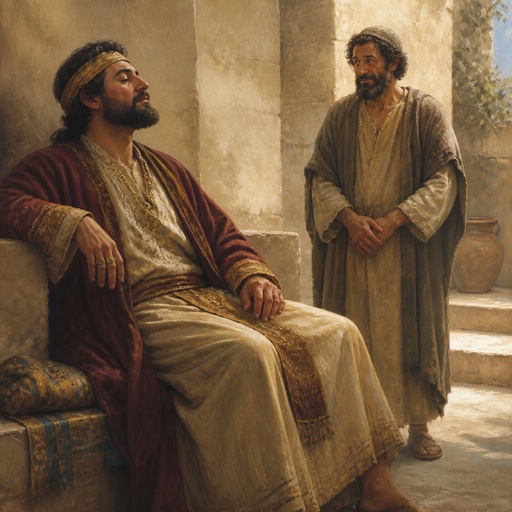
"The rich man is wise in his own conceit; but the poor that hath understanding searcheth him out." - Proverbs 28:11

Proverbs:31:28

Proverbs 28:28 - "When the wicked rise, men hide themselves: but when they perish, the righteous increase."

Proverbs 17:27-28

Proverbs 17:27-28

Proverbs 17:27-28

Proverbs 12:28 - "In the way of righteousness is life; and in the pathway thereof there is no death."

Proverbs 30:28 - "The spider taketh hold with her hands, and is in kings' palaces."
![Proverbs 15:28 NIV
[28] The heart of the righteous weighs its answers, but the mouth of the wicked gushes evil.](https://media.bible.art/80457803-46a4-4285-9475-b391d797ab48-thumbnail.jpg)
Proverbs 15:28 NIV [28] The heart of the righteous weighs its answers, but the mouth of the wicked gushes evil.

Proverbs 21:28 - "A false witness shall perish: but the man that heareth speaketh constantly."

Proverbs 14:28 - "In the multitude of people is the king's honour: but in the want of people is the destruction of the prince."

Proverbs 28:21 - "To have respect of persons is not good: for for a piece of bread that man will transgress."

Proverbs 28:4 - "They that forsake the law praise the wicked: but such as keep the law contend with them."

Proverbs 10:28 - "The hope of the righteous shall be gladness: but the expectation of the wicked shall perish."

Proverbs 28:1 - "The wicked flee when no man pursueth: but the righteous are bold as a lion."

Proverbs 22:28 - "Remove not the ancient landmark, which thy fathers have set."

Proverbs 20:28 - "Mercy and truth preserve the king: and his throne is upholden by mercy."

Proverbs 16:28 - "A froward man soweth strife: and a whisperer separateth chief friends."

Proverbs 19:28 - "An ungodly witness scorneth judgment: and the mouth of the wicked devoureth iniquity."