What does Proverbs 10:12 mean?
"Hatred stirreth up strifes: but love covereth all sins." - Proverbs 10:12

“Hatred stirreth up strifes: but love covereth all sins.” (Proverbs 10:12, KJV)
In Proverbs 10, Solomon begins a long series of short, weighty sayings that set one path against another: the way of wisdom over against the way of folly, the righteous over against the wicked, peace over against trouble. Verse 12 belongs to that moral contrast. It is not presented as a mere observation about human behavior, though it certainly is that; it is presented as wisdom for living in the fear of the LORD, showing how the inward state of the heart inevitably works outward into the life of a family, a neighborhood, a congregation, a nation. The verse places two forces side by side—hatred and love—and shows what each one produces.
“Hatred stirreth up strifes” describes hatred as an agitator. The language is active: hatred does not simply exist quietly in a person; it “stirreth up” conflict, as one might rake coals to bring flames higher. Hatred takes injuries, real or imagined, and gives them breath. It keeps wrongs warm, replays them, exaggerates them, and seeks allies. Where hatred is present, even small matters become occasions for quarrels, because hatred is not content with peace; it wants division and vindication. In the broader flow of Proverbs 10, this fits the repeated theme that a wicked or foolish disposition produces social ruin. Words become weapons, relationships become battlegrounds, and the community becomes unstable because an inner poison has become outward strife.
“But love covereth all sins” sets love in sharp contrast. The verb “covereth” is symbolic and rich. In Scripture, to cover is to hide from sight, to keep from being exposed and displayed. Love, then, is pictured as laying a garment over offenses so they are not paraded, broadcast, and used as fuel for retaliation. This does not mean love calls evil good, or that love denies the reality of sin; Proverbs does not commend ignoring wickedness, and elsewhere it insists on correction, truth, and justice. Rather, love refuses the hateful impulse to magnify faults, to rehearse them continually, or to turn them into perpetual strife. Love is willing to forbear, to forgive, to seek peace, and to keep unity by not making every failing into a public spectacle. Love “covereth” in the sense that it does not delight in uncovering and displaying another’s shame.
The phrase “all sins” intensifies the point. It speaks to love’s breadth and resilience. Hatred is easily triggered and quickly multiplies quarrels; love is durable, prepared to absorb repeated frictions without continually escalating the conflict. In daily life, this often looks like refusing to answer provocation with provocation, choosing private reconciliation over public embarrassment, and seeking restoration instead of triumph. The proverb teaches that strife is often less about the size of the offense and more about the spirit in which it is handled. Hatred looks for a reason to contend; love looks for a way to heal.
Within the immediate context of Proverbs 10, which frequently links speech and character, this proverb also carries an implicit warning about the tongue. Hatred “stirreth up” partly through words—accusations, gossip, cutting replies, repeated reminders of past wrongs. Love “covereth” partly through words too—silence when silence prevents needless escalation, gentle answers, refusal to repeat a matter, and speech aimed at reconciliation. The significance of the verse is that it exposes the root beneath relational conflict: strife is not merely caused by circumstances but is cultivated by a heart posture. The wise person, shaped by love, does not treat every offense as a summons to battle. Instead, love seeks peace by refusing to keep sins in circulation.
In the end, Proverbs 10:12 is a portrait of two kingdoms at work in ordinary relationships. Hatred is centrifugal, pushing people apart and making conflict self-perpetuating. Love is covering, binding up what would otherwise be torn open. The proverb calls the reader to discern which spirit is animating their responses, because that spirit will determine whether their life becomes a place where strife is continually stirred or a place where offenses are restrained and peace has room to grow.
Have questions about Proverbs 10:12?
Dive deeper into this scripture with Bible Chat — an AI-powered tool for exploring God's Word through conversation. Ask questions, get context, and grow in your understanding of the Bible.
Get Our Apps


Proverbs 10:12 Artwork

Proverbs 10:12 - "Hatred stirreth up strifes: but love covereth all sins."

"Hatred stirreth up strifes: but love covereth all sins." - Proverbs 10:12

"Hatred stirreth up strifes: but love covereth all sins." - Proverbs 10:12

Proverbs 12:10 - "A righteous man regardeth the life of his beast: but the tender mercies of the wicked are cruel."
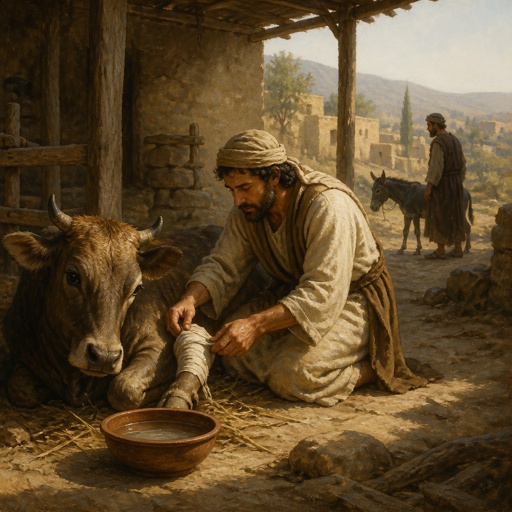
"A righteous man regardeth the life of his beast: but the tender mercies of the wicked are cruel." - Proverbs 12:10

Proverbs 10

proverbs 5:12

Proverbs 12:5

proverbs 5:12

Proverbs 12:12 - "The wicked desireth the net of evil men: but the root of the righteous yieldeth fruit."

Proverbs 18 10

Proverbs 18 10

Proverbs 10:10 - "He that winketh with the eye causeth sorrow: but a prating fool shall fall."

Proverbs 10:1 - "The proverbs of Solomon. A wise son maketh a glad father: but a foolish son is the heaviness of his mother."

proverbs 5:11-12

proverbs 5:11-12

Proverbs 3:9-10

Proverbs 12:5 - "The thoughts of the righteous are right: but the counsels of the wicked are deceit."

Proverbs 12:7 - "The wicked are overthrown, and are not: but the house of the righteous shall stand."

Proverbs 12:28 - "In the way of righteousness is life; and in the pathway thereof there is no death."

Proverbs 23:10 - "Remove not the old landmark; and enter not into the fields of the fatherless:"

Proverbs 16:12 - "It is an abomination to kings to commit wickedness: for the throne is established by righteousness."

Proverbs 6:12 - "¶ A naughty person, a wicked man, walketh with a froward mouth."

Proverbs 29:12 - "If a ruler hearken to lies, all his servants are wicked."

Proverbs 12:18 - "There is that speaketh like the piercings of a sword: but the tongue of the wise is health."

Ezra 10:10-12

Proverbs 10:16 - "The labour of the righteous tendeth to life: the fruit of the wicked to sin."

Proverbs 29:10 - "The bloodthirsty hate the upright: but the just seek his soul."

Proverbs 10:22 - "The blessing of the LORD, it maketh rich, and he addeth no sorrow with it."

Proverbs 13:10 - "Only by pride cometh contention: but with the well advised is wisdom."