What does Philippians 4:17 mean?
"Not because I desire a gift: but I desire fruit that may abound to your account." - Philippians 4:17
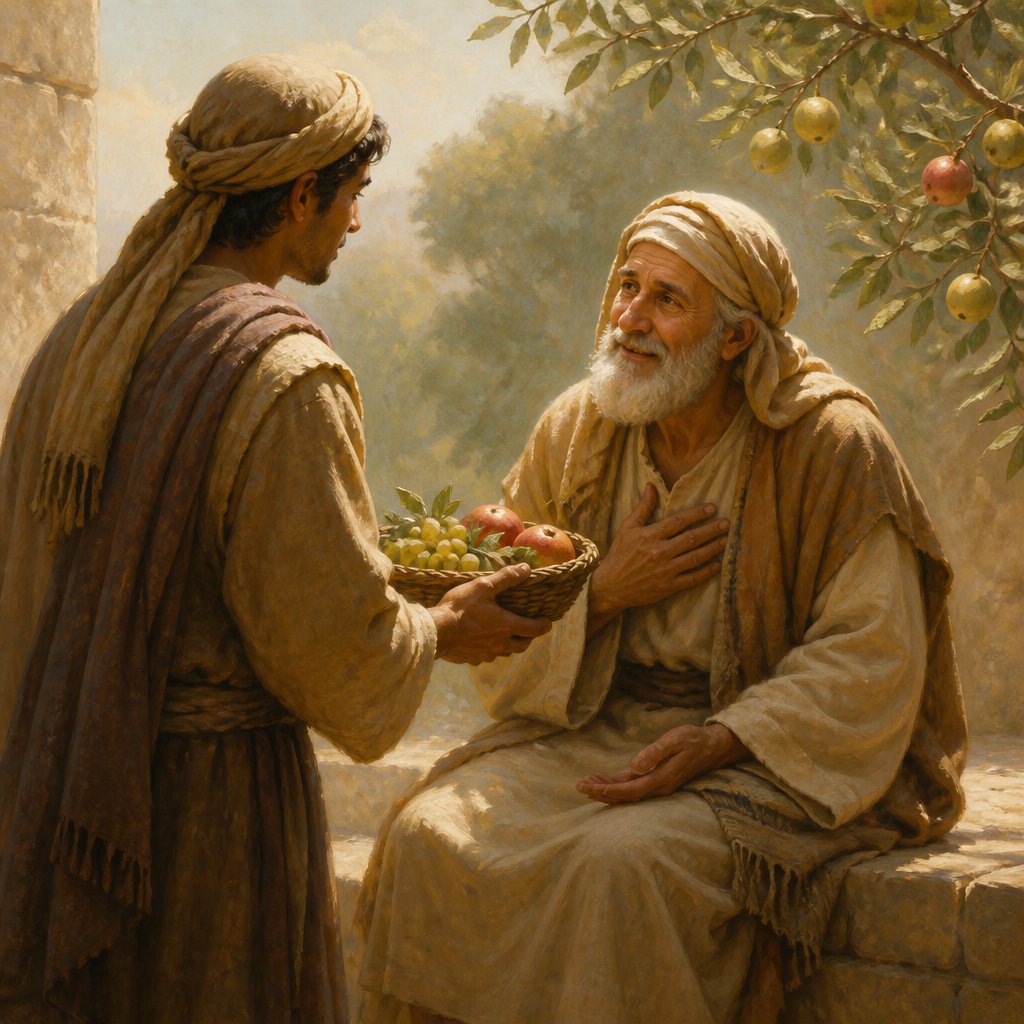
Philippians 4:17 (KJV) states: "Not because I desire a gift: but I desire fruit that may abound to your account."
This verse is part of a letter that the Apostle Paul wrote to the church in Philippi. In this particular section of his letter, Paul is expressing his gratitude for the financial gifts that he has received from the Philippians. However, he makes it clear that his joy does not come from the gifts themselves, but from the spiritual fruit that is produced through their generosity.
The theme of this verse is gratitude and generosity. Paul is expressing his thanks to the Philippians for their support, but he is also emphasizing the spiritual importance of their giving. He is not interested in the gifts for their material value, but rather for the spiritual fruit that their generosity will produce in their lives.
The context of this verse is important for understanding its significance. In the preceding verses, Paul discusses the contentment that he has found in all circumstances, whether he is in need or has plenty. He attributes this contentment to the strength that he has received through Christ, who has enabled him to endure all things. This sets the stage for Paul's comments on the Philippians' gifts and the spiritual impact of their generosity.
The symbolism in this verse is found in the idea of spiritual fruit. In the New Testament, the concept of "fruit" is often used to symbolize the results of a person's actions or the spiritual growth that occurs as a result of their faith and good works. In this context, the "fruit" that Paul desires is the increase in the Philippians' spiritual blessings as a result of their giving. Their generosity will bring about a harvest of spiritual blessings for them, and Paul expresses his desire for this fruit to "abound" in their account.
Furthermore, Paul's emphasis on the importance of giving and the spiritual impact of generosity speaks to the broader theme of stewardship in the Christian life. The Bible teaches that everything we have ultimately belongs to God, and we are called to manage our resources in a way that honors him. This includes not only our material possessions, but also our time, talents, and relationships. When we give generously and sacrificially, we are not only meeting the needs of others, but we are also sowing seeds that will produce a harvest of spiritual blessings in our own lives.
In conclusion, Philippians 4:17 is a powerful reminder of the spiritual significance of generosity and the impact that our giving can have on our own spiritual growth. Paul's words to the Philippians serve as a challenge for us to examine our attitudes towards giving and to consider the spiritual fruit that is produced through our generosity. As we give with a joyful and sacrificial heart, we can trust that God will bring about an abundance of blessings in our lives and in the lives of others.
Have questions about Philippians 4:17?
Dive deeper into this scripture with Bible Chat — an AI-powered tool for exploring God's Word through conversation. Ask questions, get context, and grow in your understanding of the Bible.
Get Our Apps


Philippians 4:17 Artwork

Philippians 4:17 - "Not because I desire a gift: but I desire fruit that may abound to your account."
"Not because I desire a gift: but I desire fruit that may abound to your account." - Philippians 4:17

philippians 4:4

philippians 4:4

philippians 4:4

Philippians 4:4

Philippians 4:13

Philippians 3:17-19

Philippians 3:17-19

Philippians 4:4-7

Philippians 4:13

philippians 4:7

Philippians 4:13

Philippians 4:13

Philippians 4:6

Philippians 4:1

Philippians 4:13

Philippians 4:4 - "Rejoice in the Lord alway: and again I say, Rejoice."

Philippians 4:1

Philippians 4:1

Philippians 4:13

Philippians 4:19

Philippians 4:6

Philippians 4:6

Philippians 4:19

Philippians 4:13

Philippians 4:1

Philippians 4:8

philippians 4:7

Philippians 1:17 - "But the other of love, knowing that I am set for the defence of the gospel."