What does Philippians 3:4 mean?
"Though I might also have confidence in the flesh. If any other man thinketh that he hath whereof he might trust in the flesh, I more:" - Philippians 3:4
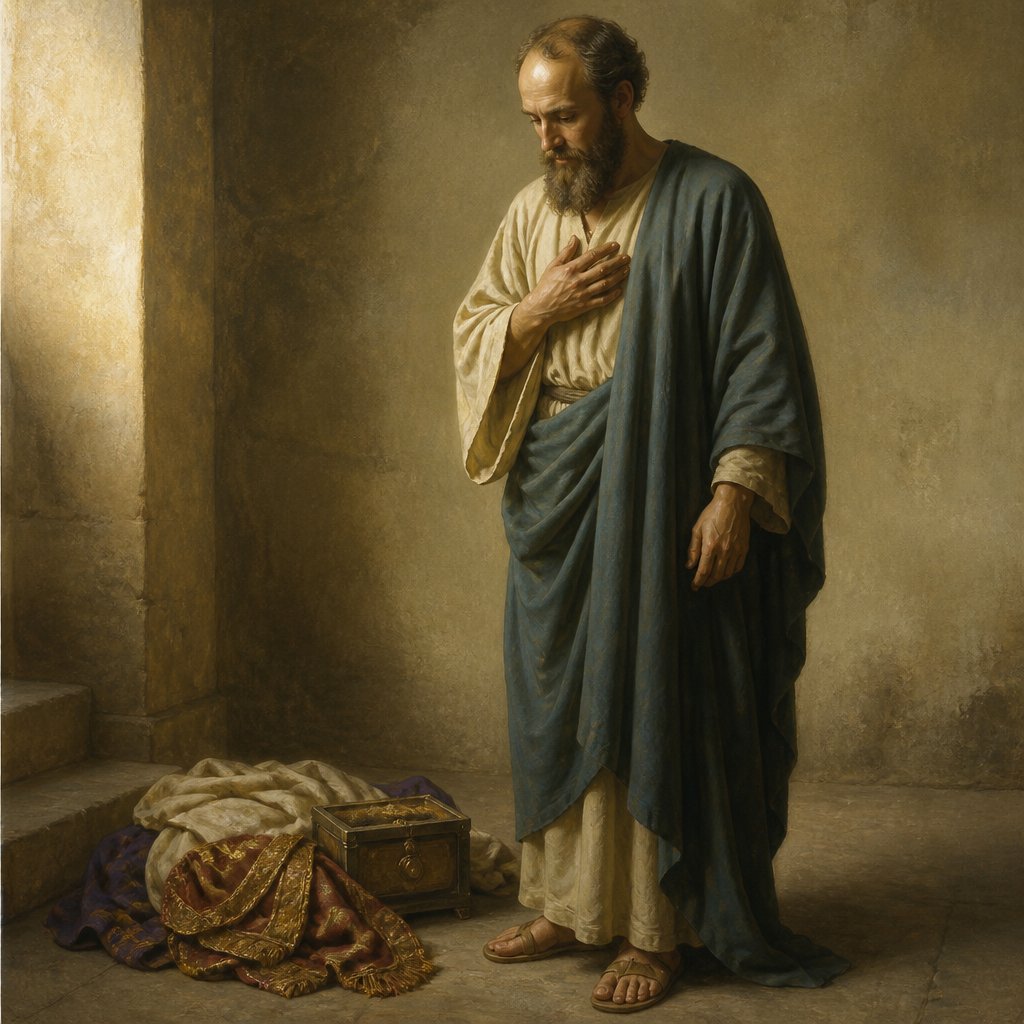
The verse Philippians 3:4 from the King James Version of the Bible reads:
"Though I might also have confidence in the flesh. If any other man thinketh that he hath whereof he might trust in the flesh, I more."
This verse is part of a larger passage in which the apostle Paul is discussing his credentials and his position among other believers. In this particular verse, Paul is establishing his own authority and experience as a leader within the early Christian church. He is juxtaposing his own qualifications with those of others who put their trust in their worldly accomplishments and abilities.
The overall theme of this verse is the contrast between trusting in one's own capabilities and achievements versus trusting in the grace of God. Paul is warning against putting too much confidence in one's own flesh or human abilities, as opposed to relying on the righteousness that comes from faith in Jesus Christ.
In the context of the larger passage, Paul is addressing the Philippians and warning them to beware of false teachings and fraudulent practices. Throughout his letters, Paul often emphasizes the need for believers to put their faith in Christ above anything else. Here, he underscores the danger of placing too much confidence in one's own accomplishments and abilities, as they are ultimately flawed and insufficient in the eyes of God.
When Paul speaks of having confidence in the flesh, he is referring to the outward, worldly qualifications that some individuals rely on for their sense of worth and identity. This could include social status, wealth, education, or religious observance. Paul, however, asserts that even if any other person were to boast in their fleshly achievements, he has even more reason to do so.
This verse can also be seen as a reflection of Paul's personal journey. Before his conversion to Christianity, Paul (then known as Saul) was a Pharisee who prided himself on his religious zeal and adherence to the Jewish law. However, upon encountering Christ, Paul's worldview was radically transformed, and he came to understand the futility of his previous reliance on human efforts.
The symbolism in this verse lies in the contrast between the flesh and the spirit. The "flesh" represents the outward, worldly aspects of human existence, including our achievements, possessions, and status. It also alludes to the inherent weakness and imperfection of humanity. On the other hand, the spirit represents the transcendent, divine, and eternal aspects of our existence, which are rooted in faith and grace.
Ultimately, the message of this verse is a call to humility and reliance on the righteousness that comes by faith. Paul is emphasizing that our worth and identity do not come from our own accomplishments, but from our relationship with Christ. This is a timeless and relevant lesson for believers today, as it reminds us to guard against the temptation to boast in our own abilities and instead place our trust in God's grace and mercy.
In conclusion, Philippians 3:4 from the King James Version of the Bible serves as a powerful reminder of the importance of humility and reliance on Christ. It challenges us to examine where we place our trust and confidence, and to prioritize our spiritual identity over our worldly achievements. The verse also speaks to the transformative power of faith and the need to recognize the limitations of our own flesh. It remains a timeless and impactful message for believers seeking to live in accordance with the teachings of Christ.
Have questions about Philippians 3:4?
Dive deeper into this scripture with Bible Chat — an AI-powered tool for exploring God's Word through conversation. Ask questions, get context, and grow in your understanding of the Bible.
Get Our Apps


Philippians 3:4 Artwork

Philippians 3:4 - "Though I might also have confidence in the flesh. If any other man thinketh that he hath whereof he might trust in the flesh, I more:"

Philippians 3:4-6 - "Though I might also have confidence in the flesh. If anyone else thinks he may have confidence in the flesh, I more so: circumcised the eighth day, of the stock of Israel, of the tribe of Benjamin, a Hebrew of the Hebrews; concerning the law, a Pharisee; concerning zeal, persecuting the church; concerning the righteousness which is in the law, blameless."
"Though I might also have confidence in the flesh. If any other man thinketh that he hath whereof he might trust in the flesh, I more:" - Philippians 3:4
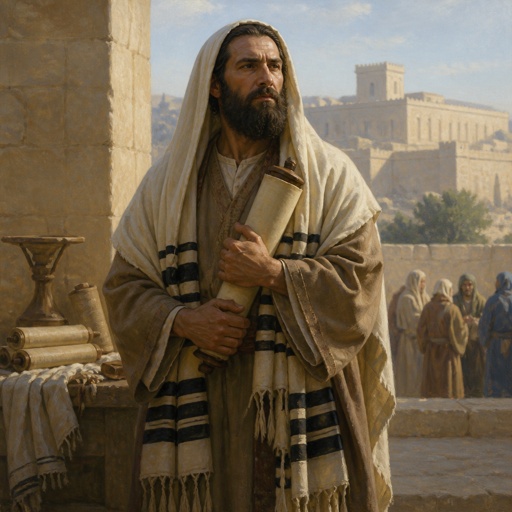
"Though I might also have confidence in the flesh. If anyone else thinks he may have confidence in the flesh, I more so: circumcised the eighth day, of the stock of Israel, of the tribe of Benjamin, a Hebrew of the Hebrews; concerning the law, a Pharisee; concerning zeal, persecuting the church; concerning the righteousness which is in the law, blameless." - Philippians 3:4-6

philippians 4:4

philippians 4:4

philippians 4:4

Philippians 4:4

Philippians 4:13

Philippians 4:4-7

Philippians 4:13

Philippians 2:3-4 - "Do nothing out of selfish ambition or vain conceit. Rather, in humility value others above yourselves, not looking to your own interests but each of you to the interests of the others."

Philippians 1:3

pHILIPPIANS 3:10

Philippians 3:8

Philippians 2:3

Philippians 2:3

Philippians 3:2

philippians 4:7

Philippians 4:13

Philippians 4:13

Philippians 4:6

Philippians 4:1

Philippians 4:13

Philippians 4:3 - "And I intreat thee also, true yokefellow, help those women which laboured with me in the gospel, with Clement also, and with other my fellowlabourers, whose names are in the book of life."

Philippians 4:4 - "Rejoice in the Lord alway: and again I say, Rejoice."

Philippians 4:1

Philippians 4:1

Philippians 4:13

Philippians 4:19