What does Philippians 2:6-7 mean?
"Who, being in the form of God, thought it not robbery to be equal with God: But made himself of no reputation, and took upon him the form of a servant, and was made in the likeness of men:" - Philippians 2:6-7
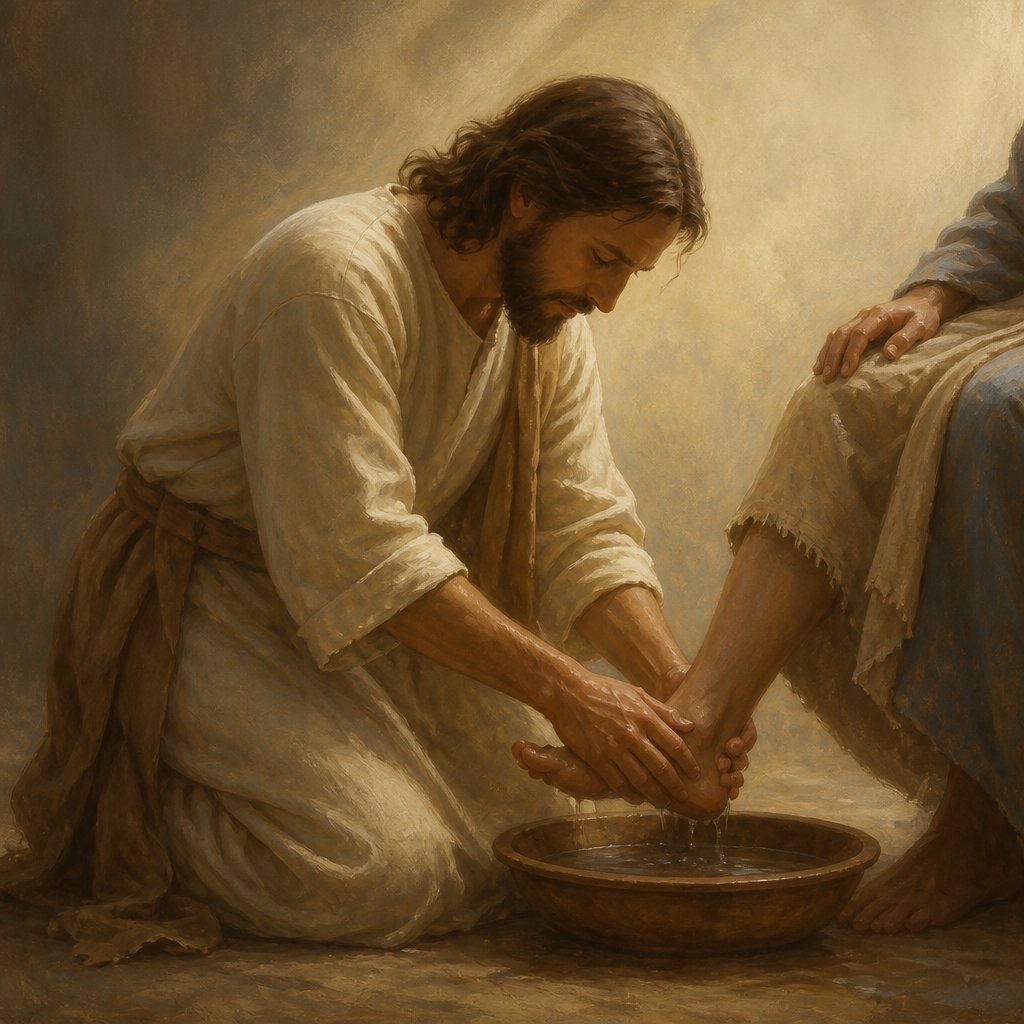
Philippians 2:6-7 from the King James Version (KJV) states: "Who, being in the form of God, thought it not robbery to be equal with God: But made himself of no reputation, and took upon him the form of a servant, and was made in the likeness of men."
This verse is part of a larger passage in the book of Philippians, written by the apostle Paul. The broader context of this verse is a call to humility and unity among believers. In the preceding verses, Paul urges the Philippians to have the same mindset as Christ, who humbled himself and became obedient to the point of death, even death on the cross. This mindset of humility and selflessness is then exemplified in the verses 6-7, as they describe the self-emptying and sacrifice of Christ.
The themes of this verse are primarily centered around the nature and character of Christ, humility, and the incarnation. The verse explores the divine nature of Christ and his willingness to humble himself for the sake of others. It also emphasizes the importance of serving others and putting their needs before our own.
The verse begins by discussing the nature of Christ, stating that he was in the form of God and was therefore equal with God. This highlights the divinity of Christ, emphasizing his equality with God the Father. However, it is important to note that the verse is not suggesting that Christ seized or retained his equality with God through force or as something to be grasped or exploited for his own advantage. This shows Christ's humility and willingness to set aside his divine privilege for the sake of humanity.
The verse then goes on to describe how Christ made himself of no reputation and took on the form of a servant, being made in the likeness of men. This highlights the incarnation, the act of God becoming human in the person of Jesus Christ. By taking on human form, Christ willingly subjected himself to the limitations, vulnerabilities, and experiences of humanity. This act of self-emptying is central to understanding the humility and sacrifice of Christ.
The themes of humility and selflessness are central to the message of this verse. Christ's example of humility serves as a model for believers to emulate in their own lives. The verse challenges readers to reject the pride and selfish ambition that often hinder unity and to instead adopt a mindset of selflessness and servanthood.
Symbolism in this verse can be found in the contrast between the form of God and the form of a servant. This juxtaposition emphasizes the radical nature of Christ's humility and sacrifice. It serves as a powerful reminder of the lengths to which Christ was willing to go in order to demonstrate his love for humanity. The image of Christ emptying himself and taking on the form of a servant is a symbol of his selfless love and his willingness to serve and sacrifice for others.
In conclusion, Philippians 2:6-7 from the King James Version offers a profound reflection on the nature of Christ, the importance of humility and selflessness, and the significance of the incarnation. This verse challenges believers to adopt a mindset of humility and selflessness, following the example of Christ in their own lives. Ultimately, this verse serves as a reminder of the sacrificial love of Christ and the call to emulate his humility and servanthood in our relationships with others.
Have questions about Philippians 2:6-7?
Dive deeper into this scripture with Bible Chat — an AI-powered tool for exploring God's Word through conversation. Ask questions, get context, and grow in your understanding of the Bible.
Get Our Apps


Philippians 2:6-7 Artwork

Philippians 2:6-7 - "Who, being in very nature God, did not consider equality with God something to be used to his own advantage; rather, he made himself nothing by taking the very form of a servant, being made in human likeness."
"Who, being in very nature God, did not consider equality with God something to be used to his own advantage; rather, he made himself nothing by taking the very form of a servant, being made in human likeness." - Philippians 2:6-7

Philippians 4:6-7

Philippians 4:6-7

Philippians 4:6-7

Philippians 4:6-7

Philippians 4:6-7

Philippians 2:7

Philippians 2:7

Philippians 2:7

Philippians 2:7

Matthew 21:21 Philippians 4:6-7 Ephesians 6:10-18 Put the words on the photo

Matthew 21:21 Philippians 4:6-7 Ephesians 6:10-18

Philippians 2:6 - "Who, being in the form of God, thought it not robbery to be equal with God:"

Philippians 2:7 - "But made himself of no reputation, and took upon him the form of a servant, and was made in the likeness of men:"

Phillipian 4:6-7

Phillipian 4:6-7

"Do not be anxious about anything, but in every situation, by prayer and petition, with thanksgiving, present your requests to God. And the peace of God, which transcends all understanding, will guard your hearts and your minds in Christ Jesus." - Philippians 4:6-7

Phillipian 4:6-7

Phillipian 4:6-7

Phillipian 4:6-7

Phillipian 4:6-7

Phillipian 4:6-7

Phillipian 4:6-7

Phillipian 4:6-7

Philippians 4:6

philippians 4:7

Phillipian 4:6-7

Philippians 4:6

Philippians 4:6