What does Numbers 9:2 mean?
"Let the children of Israel also keep the passover at his appointed season." - Numbers 9:2
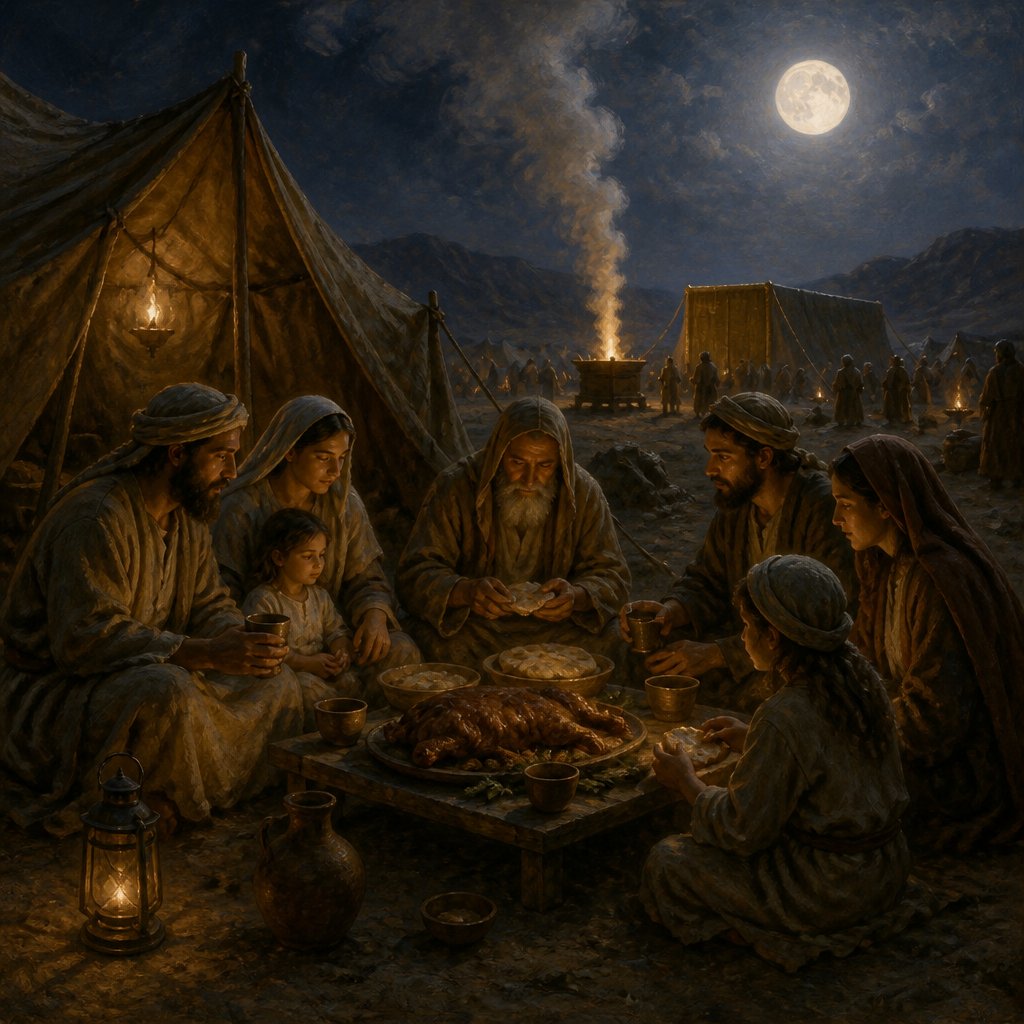
Numbers 9:2 in the King James Version of the Bible reads, "Let the children of Israel also keep the passover at his appointed season." This verse is part of a larger narrative in the book of Numbers, which details the events that occurred during the Israelites' journey from Egypt to the Promised Land.
The context of this verse is the specific instructions given by God to Moses regarding the celebration of the Passover. The Passover was a significant event in the history of the Israelites, as it commemorated their liberation from slavery in Egypt. According to the biblical account in the book of Exodus, the Israelites were instructed to sacrifice a lamb and mark their doorposts with its blood so that the angel of death would pass over their homes, sparing their firstborn children. This event ultimately led to their exodus from Egypt and their journey towards the Promised Land.
In Numbers 9:2, God commands the Israelites to observe the Passover at its appointed time. This emphasizes the importance of following God's instructions and maintaining the tradition of the Passover celebration. It demonstrates the significance of honoring and remembering the pivotal events in their history as a means of preserving their identity as God's chosen people.
The theme of obedience to God's commands is prevalent in this verse. The Israelites are instructed to keep the Passover at the appointed time, indicating the need for them to adhere to the specific instructions given by God. Obedience to God's commands is a recurring theme throughout the Bible and is often linked to blessings and protection for those who follow them.
Furthermore, the Passover itself is highly symbolic in the Bible. It represents not only the Israelites' deliverance from slavery in Egypt but also foreshadows the ultimate deliverance from sin and death through the sacrifice of Jesus Christ. The New Testament often draws parallels between the Passover lamb and the sacrifice of Jesus, emphasizing his role as the ultimate atonement for the sins of humanity.
In addition to the theme of obedience, the verse also underscores the importance of tradition and remembrance. The Passover was a significant part of the Israelites' cultural and religious heritage, and observing it at the appointed time served as a way to pass down their history and faith to future generations. This emphasis on remembering their history and God's faithfulness is a recurring theme throughout the Bible, highlighting the importance of preserving their identity and spiritual heritage.
Overall, Numbers 9:2 carries a message of obedience to God's commands, the significance of tradition and remembrance, and the symbolism of the Passover in the biblical narrative. It serves as a reminder to the Israelites and to all readers of the Bible of the importance of honoring God and preserving their spiritual heritage. The verse also holds significance for Christians, as it points to the ultimate fulfillment of the Passover through the sacrifice of Jesus Christ, and the ongoing importance of observing the tradition and remembrance of the events in the Bible.
Have questions about Numbers 9:2?
Dive deeper into this scripture with Bible Chat — an AI-powered tool for exploring God's Word through conversation. Ask questions, get context, and grow in your understanding of the Bible.
Get Our Apps


Numbers 9:2 Artwork

Numbers 9:2 - "Let the children of Israel also keep the passover at his appointed season."
"Let the children of Israel also keep the passover at his appointed season." - Numbers 9:2
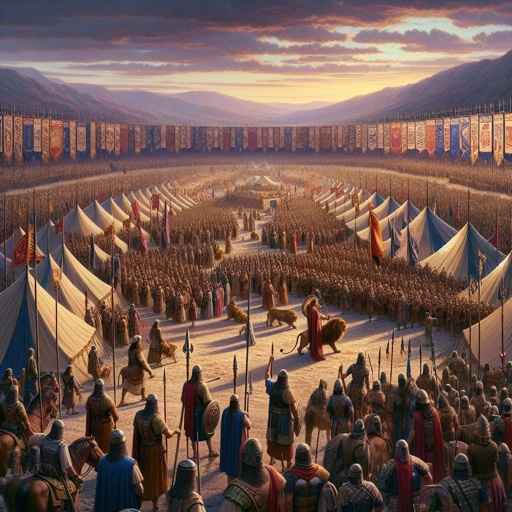
Numbers 2:9 - "All that were numbered in the camp of Judah were an hundred thousand and fourscore thousand and six thousand and four hundred, throughout their armies. These shall first set forth."

Numbers 9:9 - "¶ And the LORD spake unto Moses, saying,"

Numbers 7:1-9

Numbers 1:9 - "Of Zebulun; Eliab the son of Helon."

"¶ And the LORD spake unto Moses, saying," - Numbers 9:9

Numbers 35:9 - "¶ And the LORD spake unto Moses, saying,"

Numbers 13:9 - "Of the tribe of Benjamin, Palti the son of Raphu."

"The children of Zaccai, seven hundred and threescore." - Ezra 2:9

Numbers 12:9 - "And the anger of the LORD was kindled against them; and he departed."

Numbers 25:9 - "And those that died in the plague were twenty and four thousand."

Numbers 9:16 - "So it was alway: the cloud covered it by day, and the appearance of fire by night."

Numbers 22:9 - "And God came unto Balaam, and said, What men are these with thee?"

Numbers 9:4 - "And Moses spake unto the children of Israel, that they should keep the passover."

Numbers 11:9 - "And when the dew fell upon the camp in the night, the manna fell upon it."

Numbers 20:9 - "And Moses took the rod from before the LORD, as he commanded him."
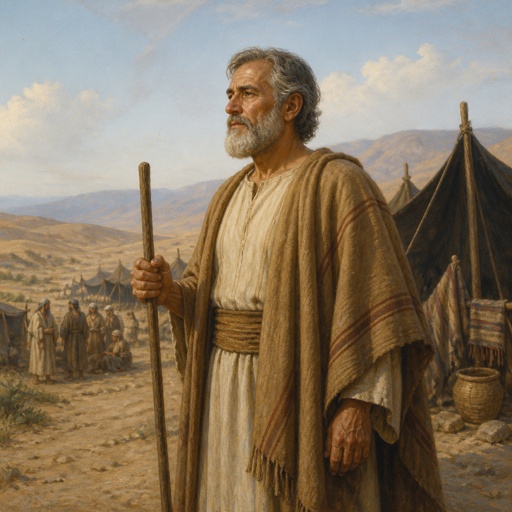
"Of Zebulun; Eliab the son of Helon." - Numbers 1:9

numbers 21:8-9 & John 3:14

Numbers 27:9 - "And if he have no daughter, then ye shall give his inheritance unto his brethren."

NUMBERS 27:2
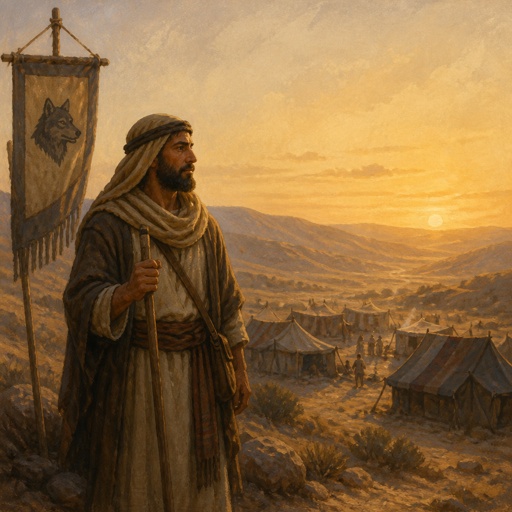
"Of the tribe of Benjamin, Palti the son of Raphu." - Numbers 13:9

"¶ And the LORD spake unto Moses, saying," - Numbers 35:9

Numbers 9:11 - "The fourteenth day of the second month at even they shall keep it, and eat it with unleavened bread and bitter herbs."

Numbers 30:9 - "But every vow of a widow, and of her that is divorced, wherewith they have bound their souls, shall stand against her."

Numbers 9:8 - "And Moses said unto them, Stand still, and I will hear what the LORD will command concerning you."

Numbers 5:9 - "And every offering of all the holy things of the children of Israel, which they bring unto the priest, shall be his."

Numbers 34:9 - "¶ And the border shall go on to Ziphron, and the goings out of it shall be at Hazar-enan: this shall be your north border."

Numbers 9:23 - "At the commandment of the LORD they rested in the tents, and at the commandment of the LORD they journeyed: they kept the charge of the LORD, at the commandment of the LORD by the hand of Moses."

Numbers 15:9 - "Then shall he bring with a bullock a meat offering of three tenth deals of flour mingled with half an hin of oil."