What does Numbers 7:9 mean?
"But unto the sons of Kohath he gave none: because the service of the sanctuary belonging unto them was that they should bear upon their shoulders." - Numbers 7:9
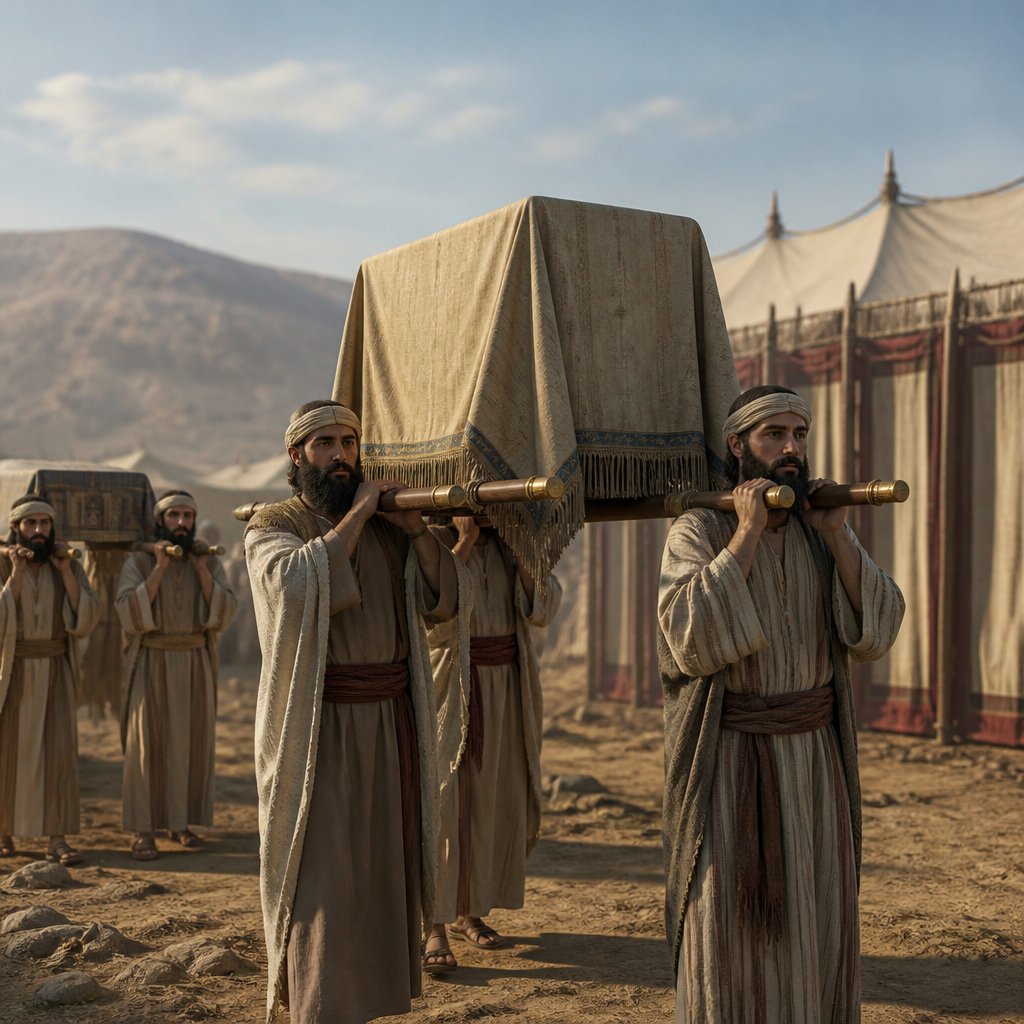
Numbers 7:9 (KJV) states, "But unto the sons of Kohath he gave none: because the service of the sanctuary belonging unto them was that they should bear upon their shoulders." This verse is part of the book of Numbers in the Old Testament, which chronicles the Israelites' journey from Egypt to the Promised Land. The passage recounts the offerings made by the leaders of the twelve tribes of Israel for the dedication of the altar and the tabernacle.
In this verse, the focus is on the specific allocation of responsibilities within the Israelite community. The sons of Kohath were a subgroup within the tribe of Levi, who were set apart for the sacred duties of the tabernacle. The verse emphasizes that unlike the other tribes, the sons of Kohath were not given wagons for the transport of their offerings, but instead, it was their duty to carry the sacred items on their shoulders.
One of the key themes of this verse is the idea of duty and responsibility. The sons of Kohath were entrusted with the important task of transporting the sacred items of the tabernacle, and they had to fulfill this duty without the aid of wagons. This underscores the seriousness and reverence with which they were expected to approach their responsibilities. It also serves as a reminder that serving in the sanctuary of God requires dedication and a willingness to bear the weight of sacred duties.
The verse also highlights the significance of the sanctuary and the items within it. The tabernacle was the dwelling place of God among the Israelites, and the items within it were considered holy. The fact that the sons of Kohath were responsible for bearing these items on their shoulders underscores the sacred nature of their duties.
Furthermore, the absence of wagons for the sons of Kohath symbolizes the unique nature of their service. While other tribes were given wagons for the transport of their offerings, the sons of Kohath were expected to rely solely on their own physical strength and commitment. This sets them apart and emphasizes the specialized nature of their role within the community.
In a broader context, this verse also speaks to the idea of equality within the community. While the sons of Kohath were not given wagons like the other tribes, this was not a sign of favoritism or neglect. Instead, it was a recognition of the unique responsibilities entrusted to them and a reflection of the equality of worth of their service.
This verse can also be seen as a lesson in humility and the willingness to serve. The sons of Kohath did not complain or seek special treatment; they simply accepted their duties and carried them out faithfully. This serves as a reminder to all believers that serving God often requires sacrifice, humility, and a willingness to shoulder the weight of responsibility without seeking recognition or reward.
In conclusion, Numbers 7:9 (KJV) offers a profound insight into the themes of duty, responsibility, humility, and the sacred nature of service within the community of faith. It serves as a reminder of the unique roles and responsibilities entrusted to each individual, and the need for a willingness to serve and sacrifice for the greater good. The verse also highlights the importance of approaching sacred duties with reverence and dedication, and the recognition of the unique nature of each individual's contribution to the community.
Have questions about Numbers 7:9?
Dive deeper into this scripture with Bible Chat — an AI-powered tool for exploring God's Word through conversation. Ask questions, get context, and grow in your understanding of the Bible.
Get Our Apps


Numbers 7:9 Artwork
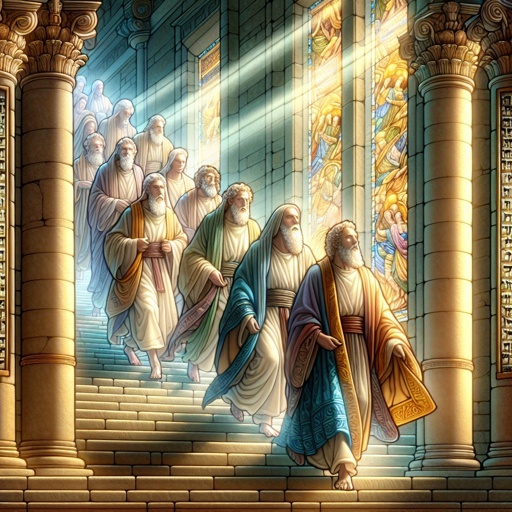
Numbers 7:9 - "But unto the sons of Kohath he gave none: because the service of the sanctuary belonging unto them was that they should bear upon their shoulders."
"But unto the sons of Kohath he gave none: because the service of the sanctuary belonging unto them was that they should bear upon their shoulders." - Numbers 7:9

Numbers 7:1-9

Numbers 9:7 - "And those men said unto him, We are defiled by the dead body of a man: wherefore are we kept back, that we may not offer an offering of the LORD in his appointed season among the children of Israel?"

"The children of Shephatiah, three hundred seventy and two." - Nehemiah 7:9

Numbers 9:9 - "¶ And the LORD spake unto Moses, saying,"

Numbers 29:7

Numbers 4:7

Numbers 1:9 - "Of Zebulun; Eliab the son of Helon."

"¶ And the LORD spake unto Moses, saying," - Numbers 9:9

Numbers 7:7 - "Two wagons and four oxen he gave unto the sons of Gershon, according to their service:"

Numbers 4:7-8

Numbers 35:9 - "¶ And the LORD spake unto Moses, saying,"

Numbers 1:7 - "Of Judah; Nahshon the son of Amminadab."

Numbers 13:9 - "Of the tribe of Benjamin, Palti the son of Raphu."

Numbers 7:76 - "One kid of the goats for a sin offering:"

Numbers 7:64 - "One kid of the goats for a sin offering:"

Numbers 7:34 - "One kid of the goats for a sin offering:"

Numbers 7:58 - "One kid of the goats for a sin offering:"

Numbers 7:22 - "One kid of the goats for a sin offering:"

Numbers 7:70 - "One kid of the goats for a sin offering:"

Numbers 7:82 - "One kid of the goats for a sin offering:"

Numbers 7:46 - "One kid of the goats for a sin offering:"

Numbers 7:4 - "And the LORD spake unto Moses, saying,"

Numbers 7:16 - "One kid of the goats for a sin offering:"

Numbers 7:52 - "One kid of the goats for a sin offering:"

Numbers 20:7 - "¶ And the LORD spake unto Moses, saying,"

Numbers 13:7 - "Of the tribe of Issachar, Igal the son of Joseph."

Numbers 7:28 - "One kid of the goats for a sin offering:"

Numbers 7:40 - "One kid of the goats for a sin offering:"