What does Numbers 7:66 mean?
"¶ On the tenth day Ahiezer the son of Ammishaddai, prince of the children of Dan, offered:" - Numbers 7:66
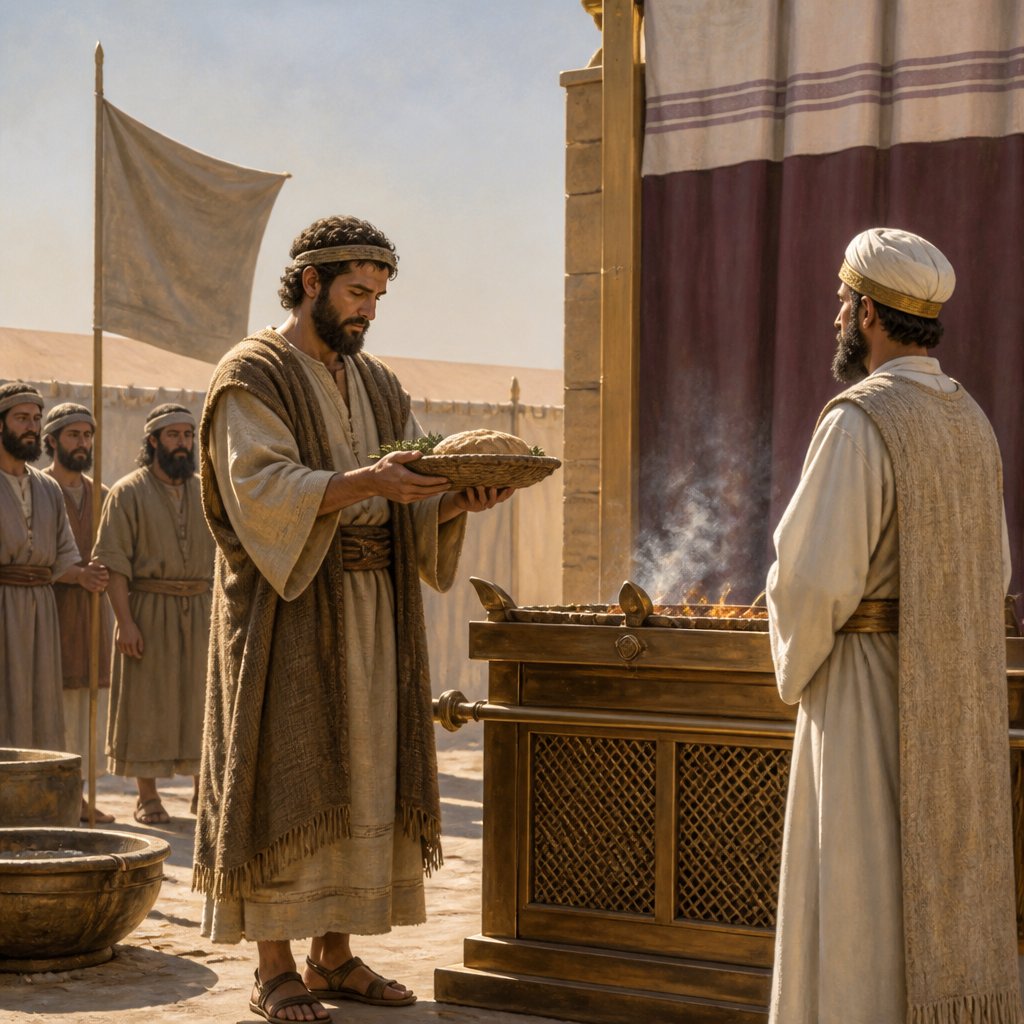
Numbers 7:66 in the King James Version of the Bible states, "On the tenth day Ahiezer the son of Ammishaddai, prince of the children of Dan, offered." This verse comes from the Book of Numbers, which is the fourth book of the Old Testament. In this book, the Israelites are on the brink of entering the Promised Land after wandering in the wilderness for forty years. The book primarily deals with the organization, laws, and regulations that God has given to His people as they prepare to enter the land.
The verse specifically mentions the offering made by Ahiezer, the son of Ammishaddai, who was the prince of the tribe of Dan. This offering is part of a larger section in the Book of Numbers that details the offerings brought by the leaders of the twelve tribes of Israel at the consecration of the altar. Each leader brought the same gifts, indicating their equality in the sight of God and their unity as the people of Israel.
The context of Numbers 7:66 is essential to understanding its significance. The offerings brought by the tribal leaders were significant in the sense that they represented the dedication of each tribe to the service of the Lord. The leaders' actions illustrate their commitment to God and their willingness to honor Him through their offerings. It also signifies the unity and cooperation among the tribes of Israel as they come together to dedicate the altar. This act of bringing offerings is a demonstration of faith and obedience to God's commands.
The mention of Ahiezer, the son of Ammishaddai, as the prince of the children of Dan is significant as well. It indicates the specific individual responsible for representing the tribe of Dan during this consecration ceremony. His willingness to fulfill this duty shows his devotion to God and his tribe, as well as his leadership qualities. It also highlights the importance of individual responsibility within the community of faith.
Symbolism can also be found in this verse. The act of offering itself holds symbolism as it represents giving back to God and acknowledging His sovereignty. It also signifies the consecration of the altar, setting it apart for the worship and service of God. The offerings brought by the tribal leaders symbolize the dedication and commitment of the entire community to the Lord.
Furthermore, the fact that each leader brought the same gifts symbolizes the equality and unity of the tribes before God. It emphasizes that all the tribes are equal in His eyes and that they are all called to serve Him in the same manner. This also reflects the idea of unity and cooperation, essential traits for any community of faith.
Overall, Numbers 7:66 underscores the themes of dedication, unity, and leadership within the community of faith. The verse serves as a reminder of the importance of individual commitment to God and collective participation in the service of the Lord. It also highlights the equality and unity of the tribes of Israel as they come together to honor and worship God. Ultimately, this verse serves as an example of the kind of devotion and unity that God desires from His people.
Have questions about Numbers 7:66?
Dive deeper into this scripture with Bible Chat — an AI-powered tool for exploring God's Word through conversation. Ask questions, get context, and grow in your understanding of the Bible.
Get Our Apps


Numbers 7:66 Artwork
Numbers 7:66 - "¶ On the tenth day Ahiezer the son of Ammishaddai, prince of the children of Dan, offered:"
"¶ On the tenth day Ahiezer the son of Ammishaddai, prince of the children of Dan, offered:" - Numbers 7:66
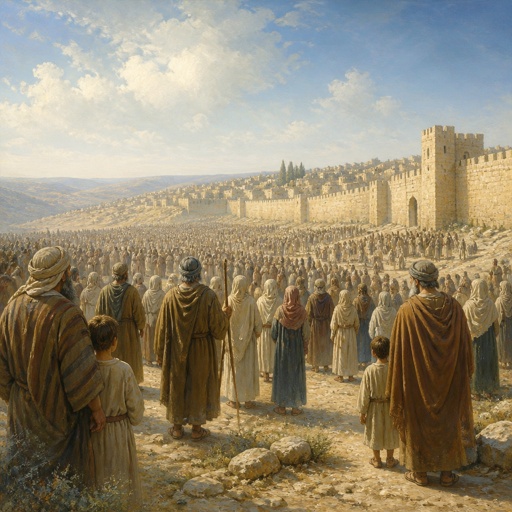
"¶ The whole congregation together was forty and two thousand three hundred and threescore," - Nehemiah 7:66
Nehemiah 7:66 - "¶ The whole congregation together was forty and two thousand three hundred and threescore,"

Psalms 66:7 - "He ruleth by his power for ever; his eyes behold the nations: let not the rebellious exalt themselves. Selah."

Isaiah 66:7 - "Before she travailed, she brought forth; before her pain came, she was delivered of a man child."
"Before she travailed, she brought forth; before her pain came, she was delivered of a man child." - Isaiah 66:7
"He ruleth by his power for ever; his eyes behold the nations: let not the rebellious exalt themselves. Selah." - Psalms 66:7

Numbers 29:7

Numbers 4:7

Numbers 7:1-9

Numbers 7:7 - "Two wagons and four oxen he gave unto the sons of Gershon, according to their service:"

Numbers 4:7-8

Numbers 1:7 - "Of Judah; Nahshon the son of Amminadab."

Numbers 7:64 - "One kid of the goats for a sin offering:"

Numbers 7:76 - "One kid of the goats for a sin offering:"

Numbers 7:34 - "One kid of the goats for a sin offering:"

Numbers 7:58 - "One kid of the goats for a sin offering:"

Numbers 7:22 - "One kid of the goats for a sin offering:"

Numbers 7:70 - "One kid of the goats for a sin offering:"

Numbers 7:82 - "One kid of the goats for a sin offering:"

Numbers 7:46 - "One kid of the goats for a sin offering:"

Numbers 7:16 - "One kid of the goats for a sin offering:"

Numbers 7:4 - "And the LORD spake unto Moses, saying,"

Numbers 20:7 - "¶ And the LORD spake unto Moses, saying,"

Numbers 7:52 - "One kid of the goats for a sin offering:"

Numbers 13:7 - "Of the tribe of Issachar, Igal the son of Joseph."

Numbers 7:28 - "One kid of the goats for a sin offering:"

Numbers 7:40 - "One kid of the goats for a sin offering:"

Numbers 7:50 - "One golden spoon of ten shekels, full of incense:"