What does Numbers 7:38 mean?
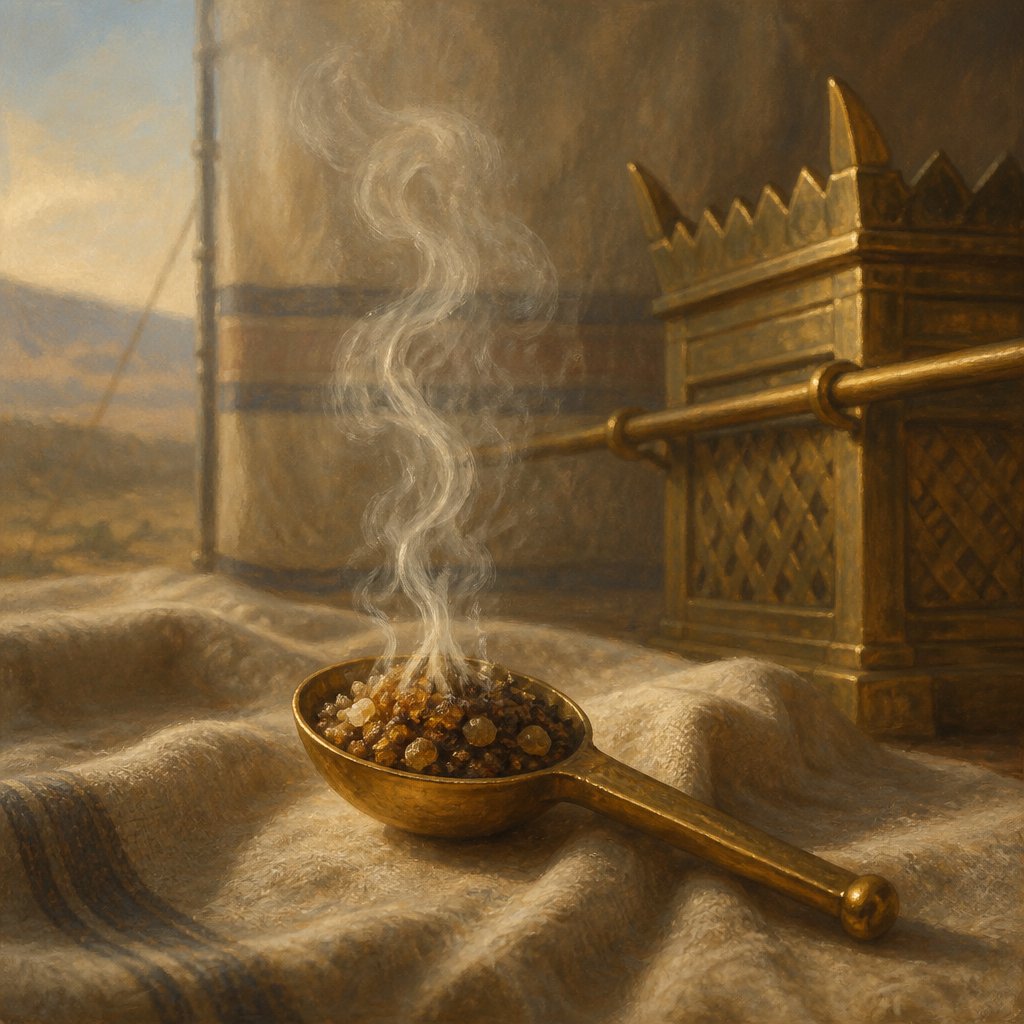
"One golden spoon of ten shekels, full of incense:" - Numbers 7:38
Numbers 7:38 in the King James Version (KJV) of the Bible reads, "And one young bullock, and one ram, one lamb of the first year, for a burnt offering:" This verse is part of a larger section in the book of Numbers that describes the offerings brought by the twelve leaders of the Israelite tribes for the dedication of the altar. The context of this verse is within the larger narrative of the Israelites' journey through the wilderness as they are instructed by God on how to worship and make offerings to Him.
The theme of this verse is the concept of sacrifice and worship. The burnt offerings mentioned in this verse were a central aspect of the Israelite's worship practices. The burnt offering was a way for the people to express their devotion and gratitude to God and seek His favor. The offering of a young bullock, ram, and lamb of the first year demonstrates the commitment and submission of the people to God. It is a symbol of their willingness to give their best to God and to honor Him with their sacrifices.
The symbolism in this verse is significant in understanding the spiritual significance of the offerings. The young bullock, ram, and lamb represent purity and innocence. These animals were carefully selected to be without blemish, symbolizing the perfection and holiness required in approaching God. The burnt offering itself symbolizes complete surrender and dedication to God. The offering is consumed by fire, which signifies the purifying and pleasing nature of the sacrifice to God.
The broader cultural and historical context of this verse is important to consider in understanding its significance. The Israelites were a people who had recently been delivered from slavery in Egypt and were being formed into a nation by God. The worship practices and offerings described in the book of Numbers were essential for the Israelites to maintain their relationship with God and to establish their identity as a chosen people. These offerings were not only a religious gesture but also a way for the people to express their devotion and commitment to God.
In a broader theological sense, the burnt offerings described in this verse foreshadow the ultimate sacrifice of Jesus Christ. The New Testament teaches that Jesus, as the perfect and unblemished Lamb of God, offered Himself as a sacrifice for the sins of humanity. The burnt offerings in the Old Testament can be seen as a prefigurement of this ultimate sacrifice, demonstrating God's plan for redemption and reconciliation with humanity.
In conclusion, Numbers 7:38 in the King James Version of the Bible is a verse that carries rich symbolism and significance within the broader narrative of the Israelites' worship practices. The theme of sacrifice and worship is central to this verse, and the offerings described symbolize the people's devotion and commitment to God. The broader cultural and historical context of the verse, as well as its theological implications, add depth to its meaning and reveal its relevance for understanding the relationship between God and His people.
Have questions about Numbers 7:38?
Dive deeper into this scripture with Bible Chat — an AI-powered tool for exploring God's Word through conversation. Ask questions, get context, and grow in your understanding of the Bible.
Get Our Apps


Numbers 7:38 Artwork

Numbers 7:38 - "One golden spoon of ten shekels, full of incense:"

"One golden spoon of ten shekels, full of incense:" - Numbers 7:38

Numbers 32:38

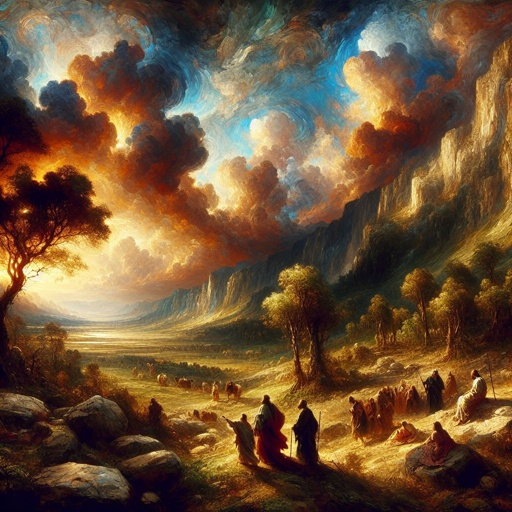
John 7:38

John 7:38
John 7:38

John 7:38

Numbers 4:38 - "And those that were numbered of the sons of Gershon, throughout their families, and by the house of their fathers,"

John 7:38

John 7:38

John 7:38

Numbers 31:38 - "And the beeves were thirty and six thousand; of which the LORD'S tribute was threescore and twelve."

Job 38:4-7

"He that believeth on me, as the scripture hath said, out of his belly shall flow rivers of living water." - John 7:38

Numbers 26:38 - "¶ The sons of Benjamin after their families: of Bela, the family of the Belaites: of Ashbel, the family of the Ashbelites: of Ahiram, the family of the Ahiramites:"

1 Kings 7:27-38

1 Kings 7:27-38

1 Chronicles 7:38 - "And the sons of Jether; Jephunneh, and Pispah, and Ara."

Numbers 14:38 - "But Joshua the son of Nun, and Caleb the son of Jephunneh, which were of the men that went to search the land, lived still."

Numbers 32:38 - "And Nebo, and Baal-meon, (their names being changed,) and Shibmah: and gave other names unto the cities which they builded."

Numbers 29:38 - "And one goat for a sin offering; beside the continual burnt offering, and his meat offering, and his drink offering."

Nehemiah 7:38 - "The children of Senaah, three thousand nine hundred and thirty."

Psalms 38:7 - "For my loins are filled with a loathsome disease: and there is no soundness in my flesh."

Genesis 38:7 - "And Er, Judah's firstborn, was wicked in the sight of the LORD; and the LORD slew him."

Numbers 1:38 - "¶ Of the children of Dan, by their generations, after their families, by the house of their fathers, according to the number of the names, from twenty years old and upward, all that were able to go forth to war;"

"And those that were numbered of the sons of Gershon, throughout their families, and by the house of their fathers," - Numbers 4:38
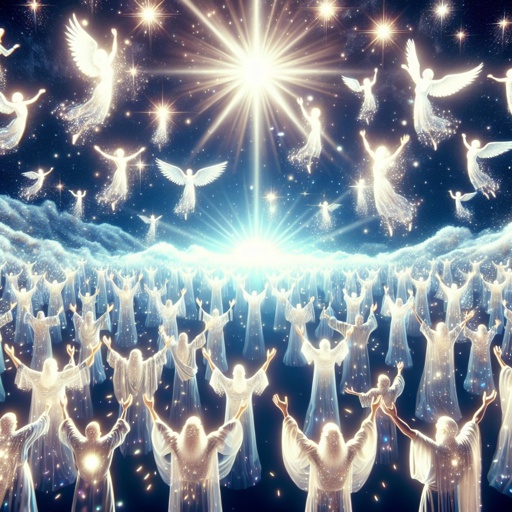
Job 38:7 - "When the morning stars sang together, and all the sons of God shouted for joy?"

Numbers 15:38 - "Speak unto the children of Israel, and bid them that they make them fringes in the borders of their garments throughout their generations, and that they put upon the fringe of the borders a ribband of blue:"

"When the morning stars sang together, and all the sons of God shouted for joy?" - Job 38:7

Numbers 15:38 tell them to make tassels on the corners of their garments, and to put a cord of blue on the tassel of each corner.