What does Numbers 6:5 mean?
"All the days of the vow of his separation there shall no razor come upon his head: until the days be fulfilled, in the which he separateth himself unto the LORD, he shall be holy, and shall let the locks of the hair of his head grow." - Numbers 6:5
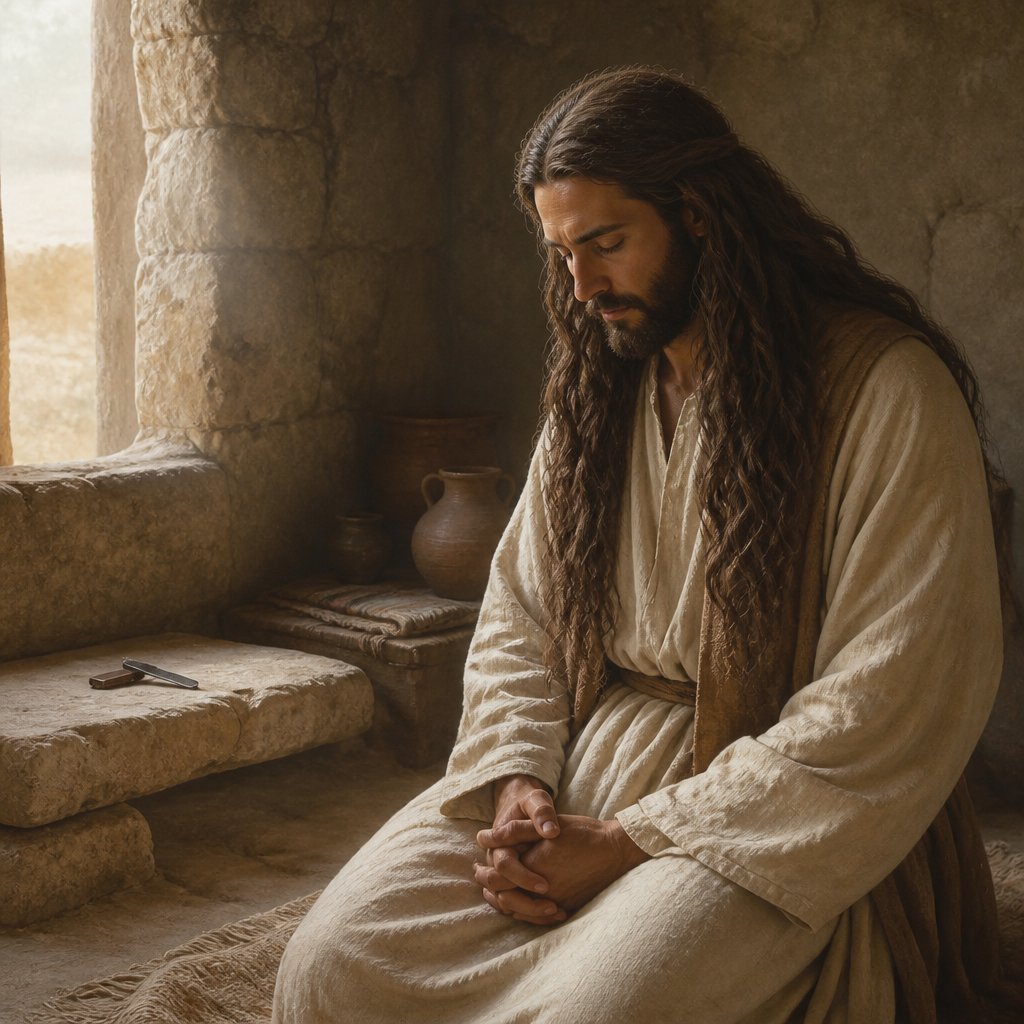
Numbers 6:5 in the King James Version of the Bible states, "All the days of the vow of his separation there shall no razor come upon his head: until the days be fulfilled, in the which he separateth himself unto the Lord, he shall be holy, and shall let the locks of the hair of his head grow."
This verse is part of the Old Testament book of Numbers, which describes the laws and regulations given to the Israelites by God through Moses. In this specific verse, God instructs the Israelites on the laws of a Nazirite vow. The Nazirite vow was a voluntary vow taken by a person to separate themselves unto the Lord for a specific period of time. During this time, the individual was to abstain from drinking wine and strong drink, refrain from cutting their hair, and avoid coming into contact with anything unclean. The purpose of the vow was to demonstrate devotion and holiness unto the Lord.
The theme of consecration and holiness is prevalent in this verse. The act of refraining from cutting one's hair during the period of separation was a physical symbol of commitment to God. It was a tangible expression of dedication and surrender to the will of the Lord. This act of self-denial and separation was a reminder to the individual and those around them of their devotion to God.
The context of this verse is within the broader narrative of the Israelites journeying through the wilderness after their deliverance from Egypt. The laws and regulations given to them by God were meant to set them apart as a holy nation, distinct from the other nations around them. The Nazirite vow was a way for individuals to demonstrate their personal commitment to holiness and consecration unto the Lord.
The symbolism of the uncut hair during the period of separation holds significance in a few different ways. Firstly, it is a visible sign of the individual's dedication to their vow. It serves as a reminder to themselves and others of their commitment to holiness. Secondly, it symbolizes a sense of consecration and separation from the world. By refraining from cutting their hair, the individual is setting themselves apart as holy and consecrated unto the Lord. Thirdly, it represents a form of sacrifice and surrender. The act of allowing their hair to grow without cutting it was a form of self-denial and an expression of devotion to God.
This verse also emphasizes the idea of holiness unto the Lord. The individual undertaking the Nazirite vow was to be "holy" during the period of separation. This holiness was not just a state of being, but a way of living and conducting oneself. It was a call to live in a manner that was pleasing and honoring to God, in all aspects of their lives.
In conclusion, Numbers 6:5 from the King James Version of the Bible is a verse that speaks to the themes of consecration, holiness, and dedication to the Lord. It provides insight into the practice of the Nazirite vow and the symbolism behind refraining from cutting one's hair during the period of separation. This verse serves as a reminder of the importance of living a consecrated life and the visible symbols of devotion to God. It encourages believers to be set apart, holy, and dedicated to the Lord in all aspects of their lives.
Have questions about Numbers 6:5?
Dive deeper into this scripture with Bible Chat — an AI-powered tool for exploring God's Word through conversation. Ask questions, get context, and grow in your understanding of the Bible.
Get Our Apps


Numbers 6:5 Artwork

Numbers 6:5 - "All the days of the vow of his separation there shall no razor come upon his head: until the days be fulfilled, in the which he separateth himself unto the LORD, he shall be holy, and shall let the locks of the hair of his head grow."
"All the days of the vow of his separation there shall no razor come upon his head: until the days be fulfilled, in the which he separateth himself unto the LORD, he shall be holy, and shall let the locks of the hair of his head grow." - Numbers 6:5

Numbers 5:6 - "Speak unto the children of Israel, When a man or woman shall commit any sin that men commit, to do a trespass against the LORD, and that person be guilty;"

Numbers 5:5 - "¶ And the LORD spake unto Moses, saying,"

Numbers 11:5

Numbers 11. 4 to 6

Numbers 6:6 - "All the days that he separateth himself unto the LORD he shall come at no dead body."

"¶ And the LORD spake unto Moses, saying," - Numbers 5:5

Numbers 1:6 - "Of Simeon; Shelumiel the son of Zurishaddai."

Numbers 6:22 - "¶ And the LORD spake unto Moses, saying,"

Numbers 27:6 - "¶ And the LORD spake unto Moses, saying,"

Numbers 13:6 - "Of the tribe of Judah, Caleb the son of Jephunneh."

Numbers 3:5 - "¶ And the LORD spake unto Moses, saying,"

Numbers 13:5 - "Of the tribe of Simeon, Shaphat the son of Hori."

Numbers 5:1 - "And the LORD spake unto Moses, saying,"

Numbers 5:11 - "¶ And the LORD spake unto Moses, saying,"

Numbers 27:5 - "And Moses brought their cause before the LORD."

Numbers 8:5 - "¶ And the LORD spake unto Moses, saying,"

Numbers 6:1 - "And the LORD spake unto Moses, saying,"

Numbers 6:24 - "The LORD bless thee, and keep thee:"

Aaron blessing the congregation in numbers 6

Galatians 5:5-6

Numbers 26:6 - "Of Hezron, the family of the Hezronites: of Carmi, the family of the Carmites."

Numbers 33:5 - "And the children of Israel removed from Rameses, and pitched in Succoth."

Numbers 6:8 - "All the days of his separation he is holy unto the LORD."

Numbers 8:6 - "Take the Levites from among the children of Israel, and cleanse them."

Numbers 16:6 - "This do; Take you censers, Korah, and all his company;"

Numbers 29:5 - "And one kid of the goats for a sin offering, to make an atonement for you:"

Numbers 33:6 - "And they departed from Succoth, and pitched in Etham, which is in the edge of the wilderness."

Numbers 7:6 - "And Moses took the wagons and the oxen, and gave them unto the Levites."