What does Numbers 6:19 mean?
"And the priest shall take the sodden shoulder of the ram, and one unleavened cake out of the basket, and one unleavened wafer, and shall put them upon the hands of the Nazarite, after the hair of his separation is shaven:" - Numbers 6:19
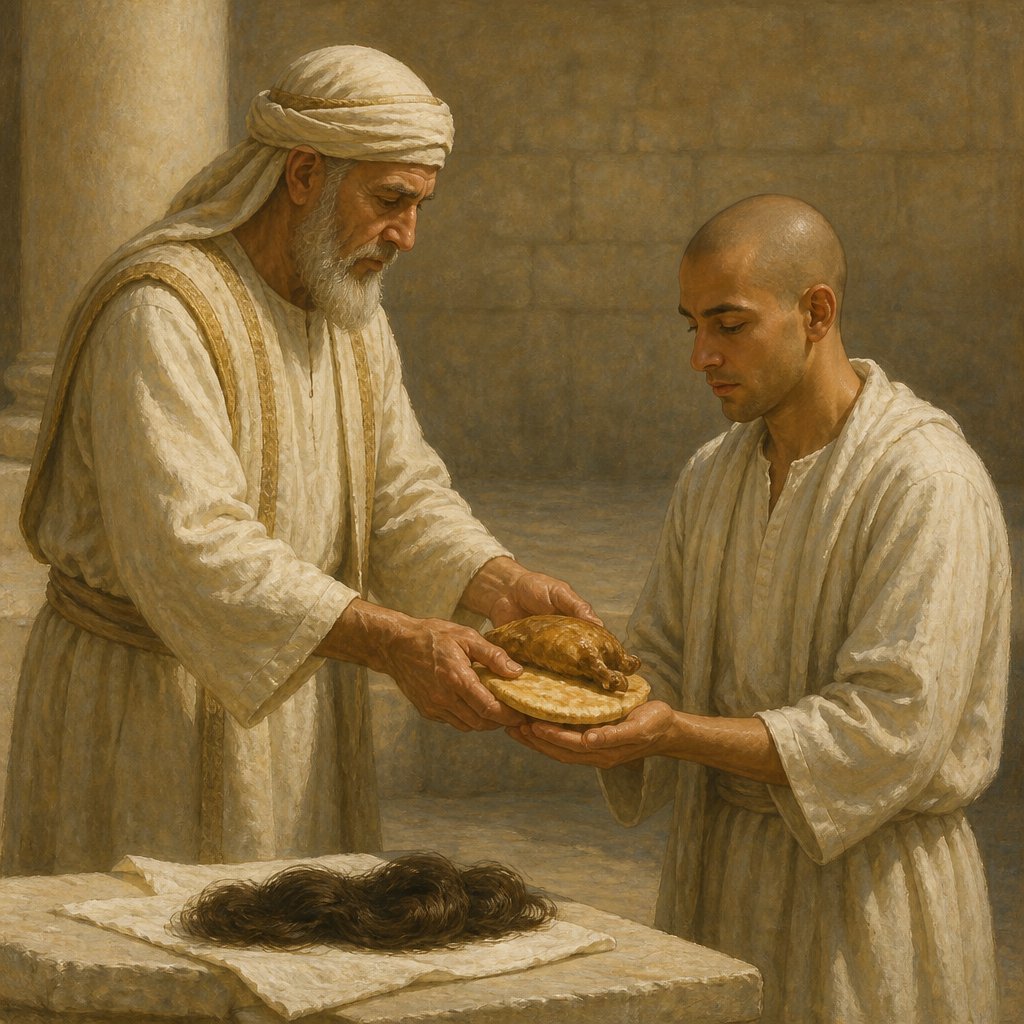
Numbers 6:19 (KJV) states: "And the priest shall take the sodden shoulder of the ram, and one unleavened cake out of the basket, and one unleavened wafer, and shall put them upon the hands of the Nazarite, after the hair of his separation is shaven."
This verse is part of the Old Testament book of Numbers, which focuses on the Israelites' journey from Mount Sinai to the Promised Land. The specific passage is part of a larger section detailing the laws and guidelines for those who take a vow of consecration as a Nazarite. The Nazarites were individuals who took a special vow to consecrate themselves to God, which often involved abstaining from certain things, including cutting their hair and consuming alcohol.
The verse details the ritual that the priest must perform for a Nazarite who has completed their vow of consecration. The priest is to take the shoulder of a ram that has been cooked, along with an unleavened cake and an unleavened wafer, and place them in the hands of the Nazarite after they have shaved their hair. This act symbolizes the completion of the Nazarite's vow and their return to regular life.
The act of consecration and the rituals associated with it carry significant spiritual and symbolic meaning. The Nazarite vow represented a special dedication and devotion to God, and the regulations surrounding it were designed to set the Nazarites apart from the rest of the people. By abstaining from certain things and committing to a period of separation, the Nazarites demonstrated their commitment to living a holy and set-apart life.
The elements used in the ritual hold their own symbolism as well. The shoulder of the ram, along with the unleavened cake and wafer, were likely chosen for their significance in Jewish sacrificial and religious practices. The ram was a common sacrificial animal in ancient Israel, and offering its shoulder as part of the ritual would have been a meaningful act of worship. Additionally, the use of unleavened bread aligns with the broader symbolic significance of leaven in the Bible, which often represents sin and corruption. By using unleavened bread in the ritual, the act emphasizes the purity and holiness of the Nazarite's consecration.
This verse also underscores the role of the priest as a mediator between the people and God. The priest is the one who performs the ritual and oversees the consecration process, emphasizing the importance of proper authority and leadership within the religious community. This act of mediation and representation reflects the broader themes of hierarchy and order within the Israelite religious system.
The imagery of shaving the hair after the completion of the vow also holds symbolic significance. In ancient cultures, including the Israelites, hair was often associated with strength, vitality, and identity. By shaving their hair at the end of their vow, the Nazarite would have symbolically surrendered their strength and identity to God, signifying their willingness to submit to His will and guidance.
In a broader context, this verse speaks to the themes of commitment, devotion, and the importance of maintaining a holy and set-apart life. The rituals and regulations surrounding the Nazarite vow served as a reminder to the Israelites of the significance of their relationship with God and the necessity of living in accordance with His commands. The verse also highlights the role of the priest and the importance of proper religious leadership in facilitating the people's connection with God.
Overall, Numbers 6:19 holds rich spiritual and symbolic significance within the broader context of the Israelite religious practices and beliefs. It serves as a powerful reminder of the importance of dedication to God, the symbolism of rituals and offerings, and the role of spiritual leadership in guiding and facilitating the people's relationship with the Divine.
Have questions about Numbers 6:19?
Dive deeper into this scripture with Bible Chat — an AI-powered tool for exploring God's Word through conversation. Ask questions, get context, and grow in your understanding of the Bible.
Get Our Apps


Numbers 6:19 Artwork

Numbers 6:19 - "And the priest shall take the sodden shoulder of the ram, and one unleavened cake out of the basket, and one unleavened wafer, and shall put them upon the hands of the Nazarite, after the hair of his separation is shaven:"
"And the priest shall take the sodden shoulder of the ram, and one unleavened cake out of the basket, and one unleavened wafer, and shall put them upon the hands of the Nazarite, after the hair of his separation is shaven:" - Numbers 6:19

Numbers 19:6 - "And the priest shall take cedar wood, and hyssop, and scarlet, and cast it into the midst of the burning of the heifer."
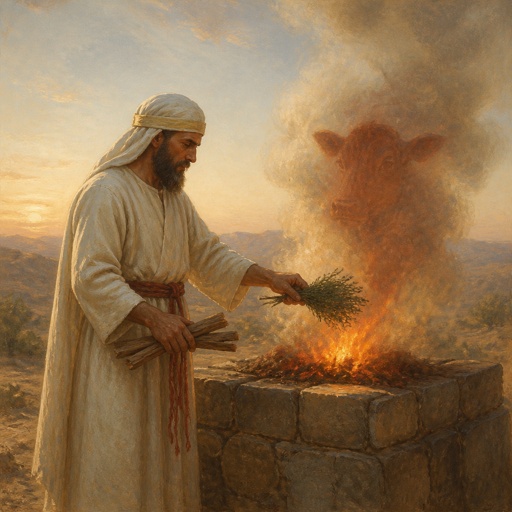
"And the priest shall take cedar wood, and hyssop, and scarlet, and cast it into the midst of the burning of the heifer." - Numbers 19:6

Numbers 19:14-19 Touching a dead is unclean

Numbers 1:19 - "As the LORD commanded Moses, so he numbered them in the wilderness of Sinai."

Numbers 21:19 - "And from Mattanah to Nahaliel: and from Nahaliel to Bamoth:"

Numbers 33:19 - "And they departed from Rithmah, and pitched at Rimmon-parez."

Numbers 3:19 - "And the sons of Kohath by their families; Amram, and Izehar, Hebron, and Uzziel."

Numbers 34:19 - "And the names of the men are these: Of the tribe of Judah, Caleb the son of Jephunneh."

Numbers 19:1 - "And the LORD spake unto Moses and unto Aaron, saying,"

Numbers 2:19 - "And his host, and those that were numbered of them, were forty thousand and five hundred."

Numbers 10:19 - "And over the host of the tribe of the children of Simeon was Shelumiel the son of Zurishaddai."

Numbers 11. 4 to 6

Numbers 6:6 - "All the days that he separateth himself unto the LORD he shall come at no dead body."

Numbers 19:15 - "And every open vessel, which hath no covering bound upon it, is unclean."

Numbers 1:6 - "Of Simeon; Shelumiel the son of Zurishaddai."

Numbers 19:11 - "¶ He that toucheth the dead body of any man shall be unclean seven days."

Numbers 6:22 - "¶ And the LORD spake unto Moses, saying,"

Numbers 27:6 - "¶ And the LORD spake unto Moses, saying,"

Numbers 13:6 - "Of the tribe of Judah, Caleb the son of Jephunneh."

Numbers 26:19 - "¶ The sons of Judah were Er and Onan: and Er and Onan died in the land of Canaan."

Numbers 6:1 - "And the LORD spake unto Moses, saying,"

Numbers 6:24 - "The LORD bless thee, and keep thee:"

Aaron blessing the congregation in numbers 6

Genesis 19-6

Numbers 26:6 - "Of Hezron, the family of the Hezronites: of Carmi, the family of the Carmites."

Numbers 19:22 - "And whatsoever the unclean person toucheth shall be unclean; and the soul that toucheth it shall be unclean until even."

Numbers 27:19 - "And set him before Eleazar the priest, and before all the congregation; and give him a charge in their sight."

1 Corinthians 6:19