What does Numbers 5:18 mean?
"And the priest shall set the woman before the LORD, and uncover the woman's head, and put the offering of memorial in her hands, which is the jealousy offering: and the priest shall have in his hand the bitter water that causeth the curse:" - Numbers 5:18
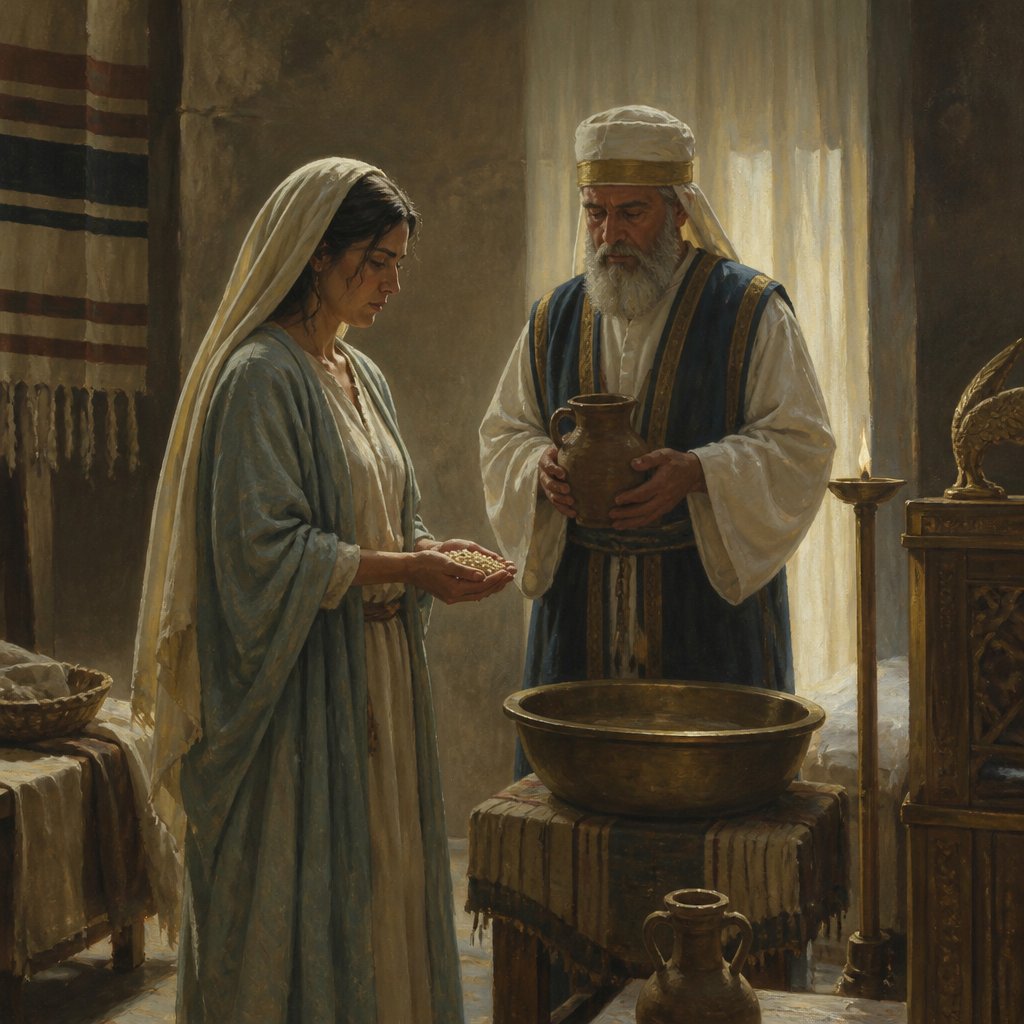
Numbers 5:18 in the King James Version reads: "And the priest shall set the woman before the Lord, and uncover the woman's head, and put the offering of memorial in her hands, which is the jealousy offering: and the priest shall have in his hand the bitter water that causeth the curse."
This verse is part of a longer passage in the book of Numbers that outlines the procedures for dealing with a woman who is suspected of adultery. The passage deals with the "jealousy offering," which was a ritual designed to test the faithfulness of a wife who was suspected of being unfaithful to her husband.
The passage begins by describing how the husband should bring his wife to the priest and offer a jealousy offering on her behalf. The priest would then present the woman before the Lord, uncover her head, and place the offering of memorial in her hands. The "jealousy offering" was a sacrifice meant to bring to light the truth of the woman's faithfulness or unfaithfulness.
This passage is set in the context of ancient Israelite society, where marriage was considered a sacred covenant and adultery was forbidden. The ritual described in this passage was intended to bring about divine intervention in a situation where the faithfulness of a wife was called into question.
The symbolic and thematic elements of this passage are rich and complex. The setting of the passage, in the context of ancient Israelite society, highlights the importance of faithfulness and trust in marriage. The ritual itself, with its emphasis on divine intervention and the uncovering of the truth, speaks to the deeply held beliefs of the Israelites regarding the sanctity of marriage and the consequences of adultery.
The act of uncovering the woman's head and placing the offering in her hands can be seen as symbolic of bringing to light the truth of the situation. The bitter water that the priest holds in his hand represents the potential consequences of the woman's unfaithfulness, as it is described as causing a curse.
The themes of trust, faithfulness, and the consequences of infidelity are central to this passage. The ritual described in this verse is a powerful symbol of the importance of these values in the context of marriage and relationships. It also reflects the belief in divine justice and the idea that the truth will ultimately be revealed.
In a broader sense, this passage can also be seen as a reflection of the Israelites' relationship with God. The emphasis on divine intervention and the uncovering of the truth speaks to the belief in God as a just and righteous judge. The ritual itself can be seen as a metaphor for the process of seeking God's guidance and wisdom in matters of faith and morality.
Overall, Numbers 5:18 is a rich and layered passage that speaks to the deeply held beliefs and values of ancient Israelite society. It is a powerful symbol of the importance of trust, faithfulness, and divine justice in the context of marriage and relationships, as well as a reflection of the Israelites' relationship with God.
Have questions about Numbers 5:18?
Dive deeper into this scripture with Bible Chat — an AI-powered tool for exploring God's Word through conversation. Ask questions, get context, and grow in your understanding of the Bible.
Get Our Apps


Numbers 5:18 Artwork

Numbers 5:18 - "And the priest shall set the woman before the LORD, and uncover the woman's head, and put the offering of memorial in her hands, which is the jealousy offering: and the priest shall have in his hand the bitter water that causeth the curse:"
"And the priest shall set the woman before the LORD, and uncover the woman's head, and put the offering of memorial in her hands, which is the jealousy offering: and the priest shall have in his hand the bitter water that causeth the curse:" - Numbers 5:18

Numbers 18:5 - "And ye shall keep the charge of the sanctuary, and the charge of the altar: that there be no wrath any more upon the children of Israel."

Numbers 16:18
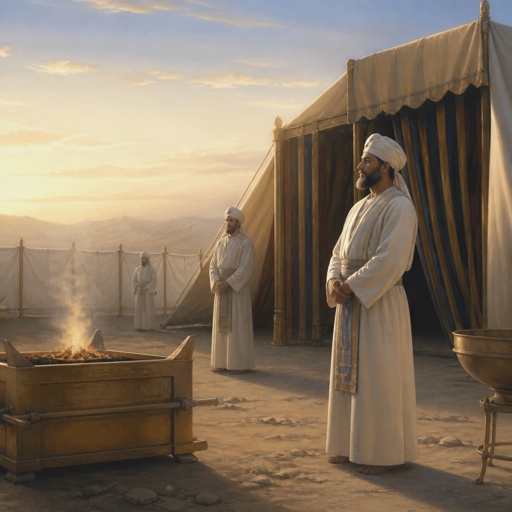
"And ye shall keep the charge of the sanctuary, and the charge of the altar: that there be no wrath any more upon the children of Israel." - Numbers 18:5

Numbers 18:18 - "And the flesh of them shall be thine, as the wave breast and as the right shoulder are thine."

Numbers 5:5 - "¶ And the LORD spake unto Moses, saying,"
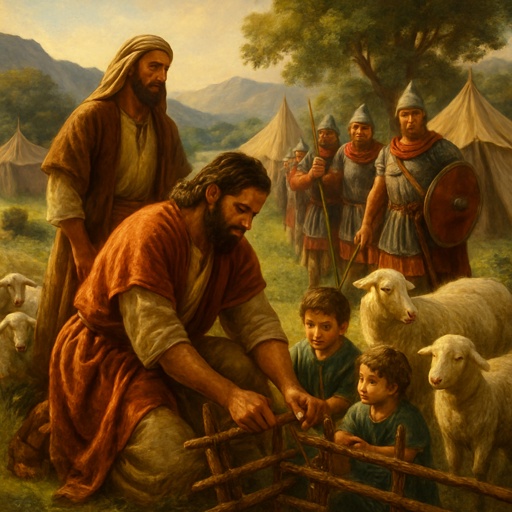
Numbers 32:16-18
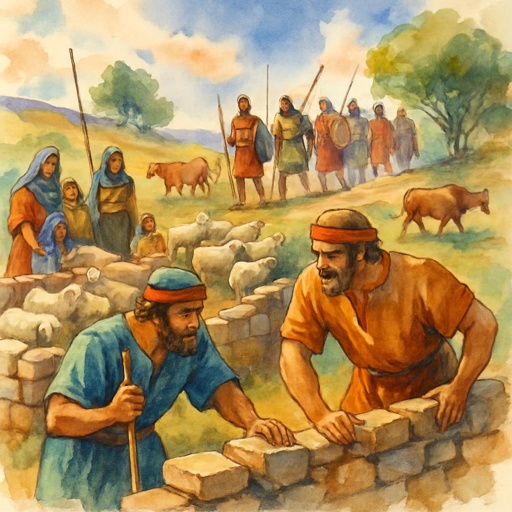
Numbers 32:16-18

Numbers 33:18 - "And they departed from Hazeroth, and pitched in Rithmah."

Numbers 18:25 - "¶ And the LORD spake unto Moses, saying,"

Numbers 11:5

Numbers 18:14 - "Every thing devoted in Israel shall be thine."

Numbers 3:18 - "And these are the names of the sons of Gershon by their families; Libni, and Shimei."

Be hostile to the medianites numbers 25:16-18

Numbers 8:18 - "And I have taken the Levites for all the firstborn of the children of Israel."

"¶ And the LORD spake unto Moses, saying," - Numbers 5:5

Numbers 29:18 - "And their meat offering and their drink offerings for the bullocks, for the rams, and for the lambs, shall be according to their number, after the manner:"

Numbers 26:18 - "These are the families of the children of Gad according to those that were numbered of them, forty thousand and five hundred."

Numbers 7:18 - "¶ On the second day Nethaneel the son of Zuar, prince of Issachar, did offer:"

Numbers 4:18 - "Cut ye not off the tribe of the families of the Kohathites from among the Levites:"

Numbers 8:5 - "¶ And the LORD spake unto Moses, saying,"

Numbers 13:5 - "Of the tribe of Simeon, Shaphat the son of Hori."

Numbers 5:1 - "And the LORD spake unto Moses, saying,"

Numbers 3:5 - "¶ And the LORD spake unto Moses, saying,"

Numbers 27:5 - "And Moses brought their cause before the LORD."

Numbers 5:11 - "¶ And the LORD spake unto Moses, saying,"
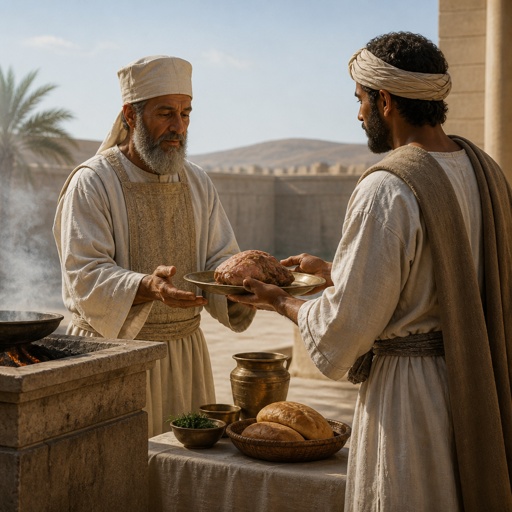
"And the flesh of them shall be thine, as the wave breast and as the right shoulder are thine." - Numbers 18:18

Numbers 34:18 - "And ye shall take one prince of every tribe, to divide the land by inheritance."

Genesis 18-5