What does Numbers 3:20 mean?
"And the sons of Merari by their families; Mahli, and Mushi. These are the families of the Levites according to the house of their fathers." - Numbers 3:20
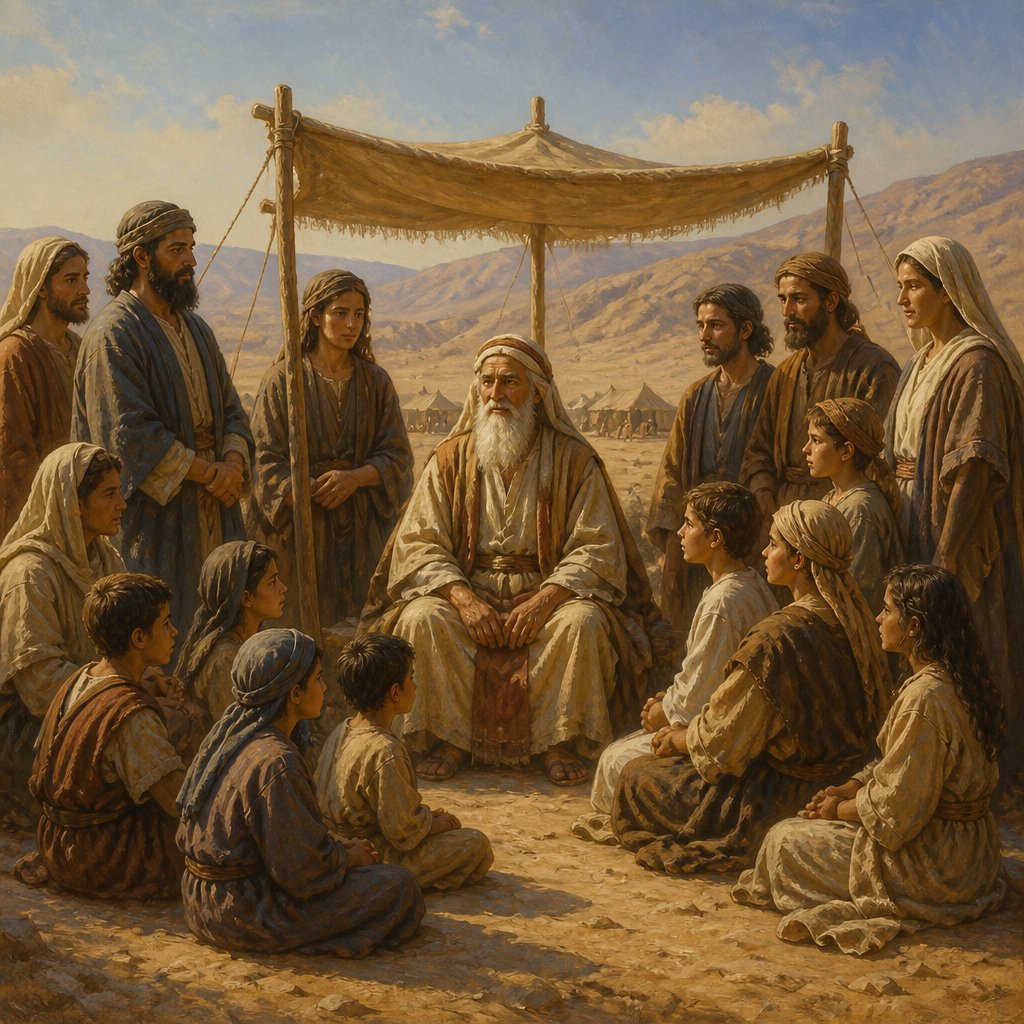
Numbers 3:20 in the King James Version of the Bible reads, "And the sons of Merari by their families; Mahli, and Mushi. These are the families of the Levites according to the house of their fathers." This verse is part of a larger passage in the book of Numbers that details the duties and responsibilities of the Levites, who were a tribe set apart for the service of the tabernacle and later the temple.
In order to understand the significance of this verse, it is important to provide some context. The book of Numbers is the fourth book of the Bible and it continues the narrative of the Israelites' journey from Egypt to the Promised Land. This particular verse comes from a section of the book that deals with the organization and responsibilities of the Levites, who were descendants of Levi, the third son of Jacob and Leah. The Levites were chosen by God to assist the priests in the religious rituals and offerings, and they were also responsible for the care and maintenance of the tabernacle, which was the place where God's presence dwelt among the Israelites.
In Numbers 3, the roles and responsibilities of the Levite families are detailed. The verse in question lists the sons of Merari, who were one of the three main branches of the Levite tribe. Mahli and Mushi are mentioned as the heads of the families within the Merari branch, and it is noted that these are the families of the Levites according to the house of their fathers. This underscores the importance of lineage and familial descent in the organization of the Levites, as their roles were hereditary and passed down from generation to generation.
One of the key themes of this verse is the idea of divine appointment and order. The Levites were specifically chosen by God for the service of the tabernacle, and their roles were clearly defined based on their lineage and family connections. This reflects the importance of tradition and inheritance in the religious and social structure of the Israelite community. It also emphasizes the idea that God has a specific plan and purpose for each individual and each family within the broader community.
Another important theme in this verse is the idea of community and shared responsibility. The Levites were not only responsible for their own families, but also for the broader community of Israel. Their duties involved caring for the tabernacle and assisting the priests in the religious rituals, which were essential for the spiritual well-being of the entire nation. This highlights the interconnectedness of the Israelite society and the importance of each individual fulfilling their role for the benefit of the whole.
Symbolically, the mention of Mahli and Mushi as heads of the families of the Merari branch represents the idea of leadership and authority within the community. These individuals were responsible for guiding and directing their families in the fulfillment of their duties, and their names likely carried symbolic significance as well. In Hebrew, Mahli means "infirmity" or "sickness," while Mushi means "swift" or "hasty." These names may have been reflective of the characteristics or attributes associated with these particular families within the tribe of Merari.
In conclusion, Numbers 3:20 provides valuable insight into the organization and responsibilities of the Levite tribe within the Israelite community. It underscores the themes of divine appointment, community, and leadership, and it emphasizes the importance of tradition and lineage in the religious and social structure of the Israelites. This verse serves as a reminder of the importance of each individual fulfilling their role for the benefit of the whole, and it is a testament to the divine order and plan that governs the Israelite community.
Have questions about Numbers 3:20?
Dive deeper into this scripture with Bible Chat — an AI-powered tool for exploring God's Word through conversation. Ask questions, get context, and grow in your understanding of the Bible.
Get Our Apps


Numbers 3:20 Artwork

Numbers 3:20 - "And the sons of Merari by their families; Mahli, and Mushi. These are the families of the Levites according to the house of their fathers."
"And the sons of Merari by their families; Mahli, and Mushi. These are the families of the Levites according to the house of their fathers." - Numbers 3:20

Numbers 20:3 - "And the people chode with Moses, and spake, saying, Would God that we had died when our brethren died before the LORD!"

Numbers 20:20 - "And he said, Thou shalt not go through. And Edom came out against him with much people, and with a strong hand."

Numbers 20:7 - "¶ And the LORD spake unto Moses, saying,"

Numbers 34:20 - "And of the tribe of the children of Simeon, Shemuel the son of Ammihud."

Numbers 33:20 - "And they departed from Rimmon-parez, and pitched in Libnah."

Numbers 16:20 - "And the LORD spake unto Moses and unto Aaron, saying,"

Numbers 7:20 - "One spoon of gold of ten shekels, full of incense:"
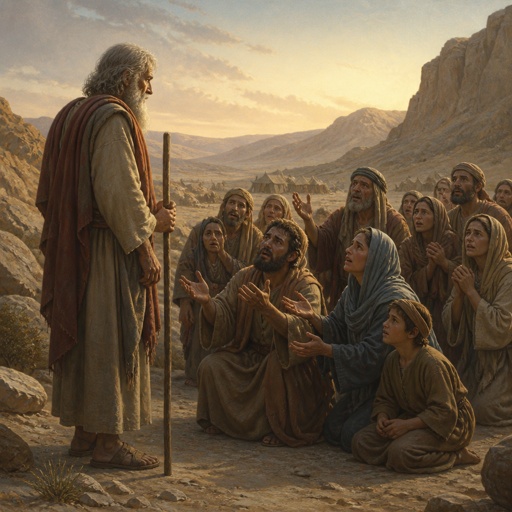
"And the people chode with Moses, and spake, saying, Would God that we had died when our brethren died before the LORD!" - Numbers 20:3

Numbers 14:20 - "And the LORD said, I have pardoned according to thy word:"

Numbers 10:20 - "And over the host of the tribe of the children of Gad was Eliasaph the son of Deuel."

Numbers 3:41

Numbers 4:20 - "But they shall not go in to see when the holy things are covered, lest they die."

Numbers 20:2 - "And there was no water for the congregation: and they gathered themselves together against Moses and against Aaron."
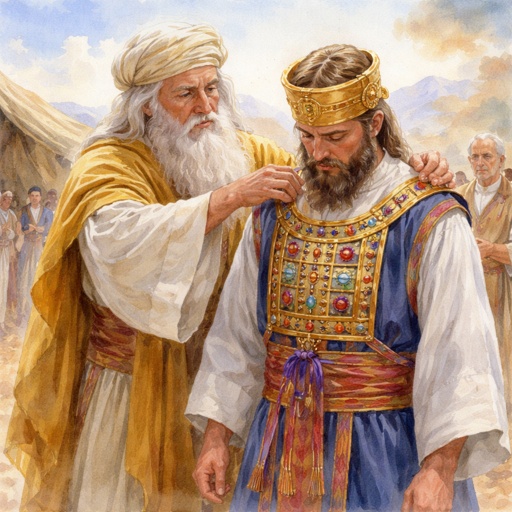
Putting Aaron’s priestly garment on Eleazar in Numbers 20

Numbers 20:9 - "And Moses took the rod from before the LORD, as he commanded him."

Numbers 35:20 - "But if he thrust him of hatred, or hurl at him by laying of wait, that he die;"

Numbers 20:13 - "This is the water of Meribah; because the children of Israel strove with the LORD, and he was sanctified in them."

Numbers 20:27 - "And Moses did as the LORD commanded: and they went up into mount Hor in the sight of all the congregation."

Numbers 21:20 - "And from Bamoth in the valley, that is in the country of Moab, to the top of Pisgah, which looketh toward Jeshimon."

Numbers 20:25 - "Take Aaron and Eleazar his son, and bring them up unto mount Hor:"

Numbers 20:23 - "And the LORD spake unto Moses and Aaron in mount Hor, by the coast of the land of Edom, saying,"

Numbers 2:20 - "And by him shall be the tribe of Manasseh: and the captain of the children of Manasseh shall be Gamaliel the son of Pedahzur."

Numbers 23:20 - "Behold, I have received commandment to bless: and he hath blessed; and I cannot reverse it."
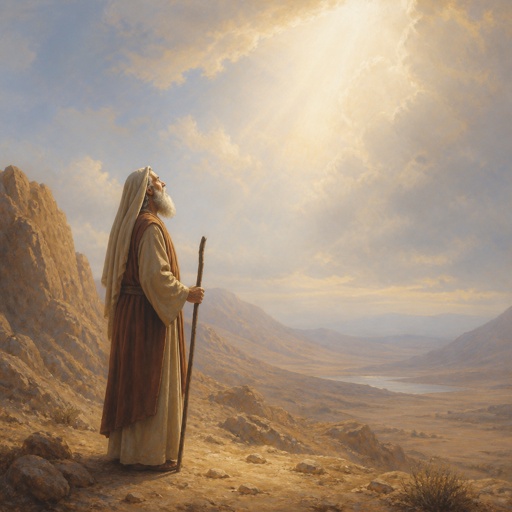
"¶ And the LORD spake unto Moses, saying," - Numbers 20:7

Numbers 3:16 - "And Moses numbered them according to the word of the LORD, as he was commanded."
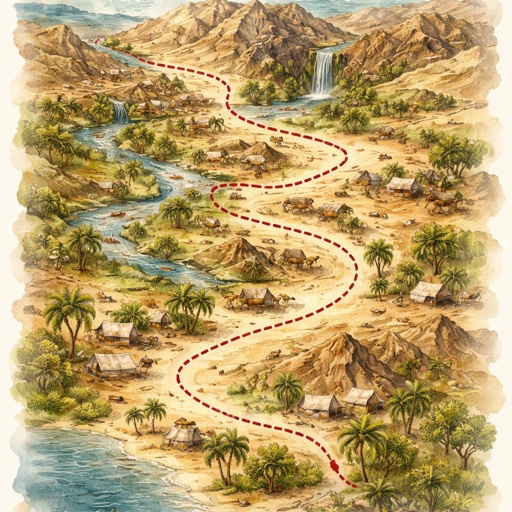
Draw me a travel map for Numbers 21:10-20

matthew 20:3
Genesis 20-3