What does Numbers 32:10 mean?
"And the LORD'S anger was kindled the same time, and he sware, saying," - Numbers 32:10
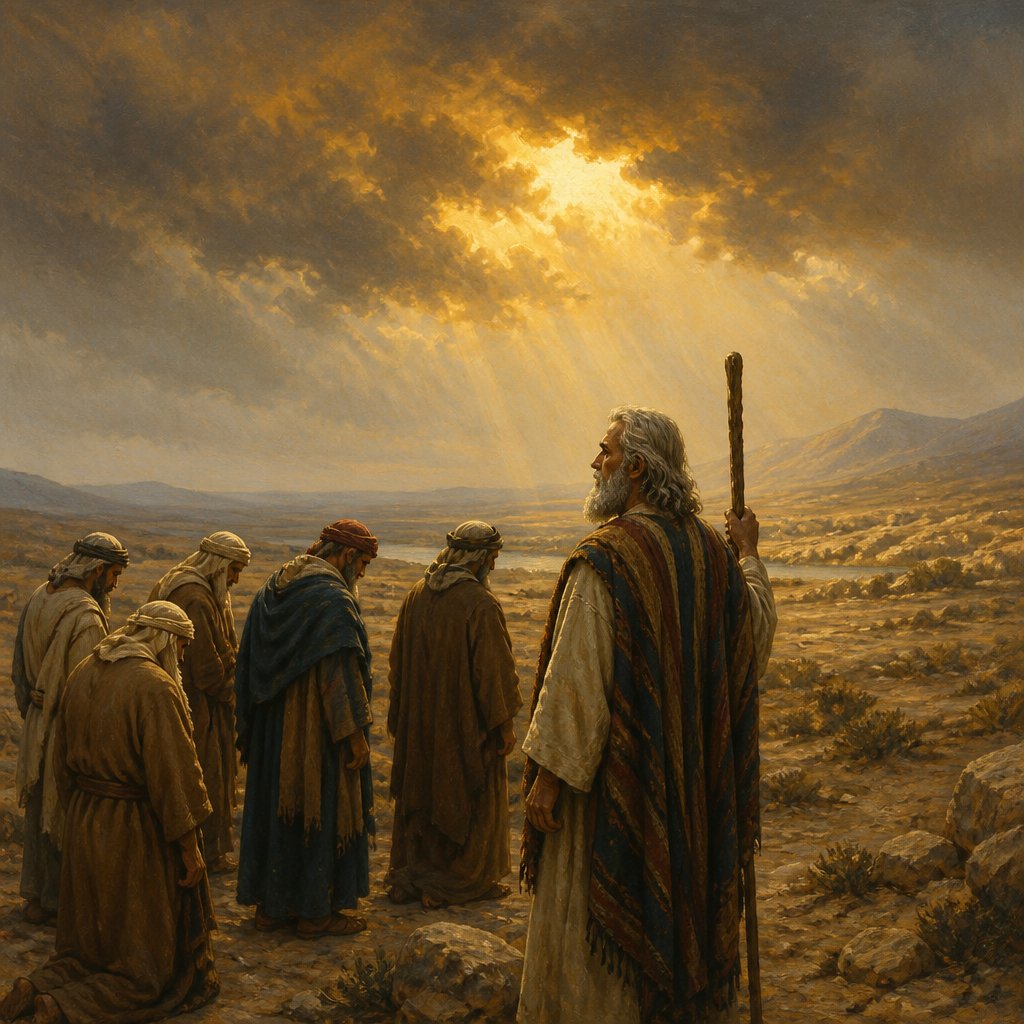
Numbers 32:10 in the King James Version of the Bible reads, "And the Lord's anger was kindled the same time, and he sware, saying," This verse is part of a larger passage in the book of Numbers that details the account of the Israelites' journey to the Promised Land. It is important to read the surrounding verses and chapters to understand the full context and meaning of this particular verse.
In Numbers 32, we see the tribes of Reuben and Gad asking Moses for the land of Gilead as their inheritance, rather than crossing the Jordan River with the rest of the Israelites to enter the Promised Land. This request raises concerns among the other tribes, as they fear that Reuben and Gad are abandoning their brothers in battle and shirking their responsibilities to inherit the land that God had promised to all the tribes.
The verse in question, Numbers 32:10, comes at a critical point in the narrative where the Lord's anger is kindled against the tribes of Reuben and Gad for their request. The gravity of the situation is evident as God's anger is expressed in the following verses, where He condemns the people to wander in the wilderness for an additional forty years due to their lack of faith and disobedience.
The theme of obedience and faith is central to the meaning of this verse. The Israelites had witnessed God's miraculous deliverance from Egypt, His provision in the wilderness, and His promise of a land flowing with milk and honey. However, the actions of the tribes of Reuben and Gad reveal a lack of faith in God's promises and a desire for comfort and security in their own terms.
The context of Numbers 32:10 is one of testing and consequences. The Lord had made a covenant with the Israelites, promising to give them the land of Canaan as their inheritance. When the tribes of Reuben and Gad express a desire to settle for less than what God had promised, it triggers God's anger and a solemn oath, signifying the severity of their disobedience.
The symbolism in this verse lies in the nature of God's character and the importance of honoring His word. The Lord's anger being kindled signifies His righteous indignation towards disobedience and unbelief. The act of swearing in the Bible often carries a weight of seriousness and certainty, indicating that God's judgment is steadfast and unchanging.
Furthermore, this passage serves as a sobering reminder of the consequences of disobedience and the importance of fully trusting in God's promises. The decision of Reuben and Gad to settle for the land of Gilead reflects the temptation to compromise and seek comfort in the present rather than holding onto the hope of God's ultimate fulfillment of His promises.
In conclusion, Numbers 32:10 in the King James Version of the Bible carries a powerful message about the significance of faith and obedience in the Christian walk. It serves as a cautionary tale of the dangers of settling for less than God's best and the consequences of disobedience. The solemnity of God's anger and oath emphasizes the gravity of this passage and underscores the importance of wholehearted trust in God's promises.
Have questions about Numbers 32:10?
Dive deeper into this scripture with Bible Chat — an AI-powered tool for exploring God's Word through conversation. Ask questions, get context, and grow in your understanding of the Bible.
Get Our Apps


Numbers 32:10 Artwork

Numbers 32:10 - "And the LORD'S anger was kindled the same time, and he sware, saying,"
"And the LORD'S anger was kindled the same time, and he sware, saying," - Numbers 32:10

Numbers 10:32 - "And it shall be, if thou go with us, yea, it shall be, that what goodness the LORD shall do unto us, the same will we do unto thee."

Numbers 32:33

Numbers 32:38
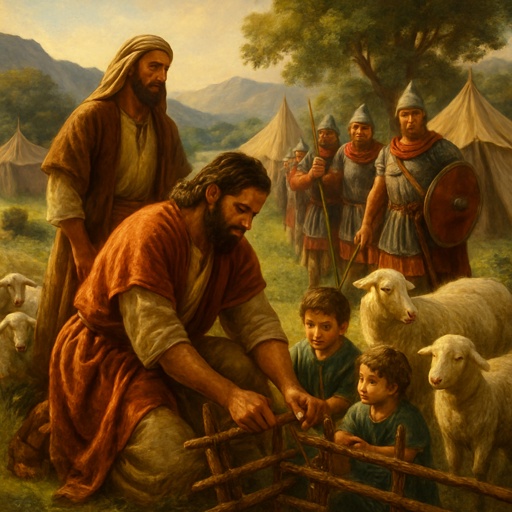
Numbers 32:16-18
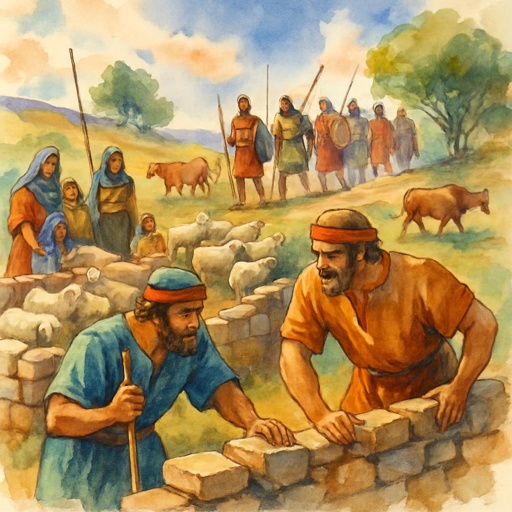
Numbers 32:16-18

Numbers 32:35 - "And Atroth, Shophan, and Jaazer, and Jogbehah,"

Numbers 32:32 - "We will pass over armed before the LORD into the land of Canaan, that the possession of our inheritance on this side Jordan may be our's."

Numbers 14:32 - "But as for you, your carcases, they shall fall in this wilderness."

Numbers 32:37 - "And the children of Reuben built Heshbon, and Elealeh, and Kirjathaim,"

Numbers 26:32 - "And of Shemida, the family of the Shemidaites: and of Hepher, the family of the Hepherites."

Numbers 32:34 - "¶ And the children of Gad built Dibon, and Ataroth, and Aroer,"

Numbers 33:32 - "And they removed from Bene-jaakan, and encamped at Hor-hagidgad."

Numbers 7:32 - "One golden spoon of ten shekels, full of incense:"

Numbers 32:36 - "And Beth-nimrah, and Beth-haran, fenced cities: and folds for sheep."

Numbers 32:3 - "Ataroth, and Dibon, and Jazer, and Nimrah, and Heshbon, and Elealeh, and Shebam, and Nebo, and Beon,"

Draw map east of Jordan described in Numbers 32.

"And Atroth, Shophan, and Jaazer, and Jogbehah," - Numbers 32:35

Numbers 32:39 - "And the children of Machir the son of Manasseh went to Gilead, and took it, and dispossessed the Amorite which was in it."

"And Atroth, Shophan, and Jaazer, and Jogbehah," - Numbers 32:35

Ezra 10:32 - "Benjamin, Malluch, and Shemariah."

Numbers 32:40 - "And Moses gave Gilead unto Machir the son of Manasseh; and he dwelt therein."
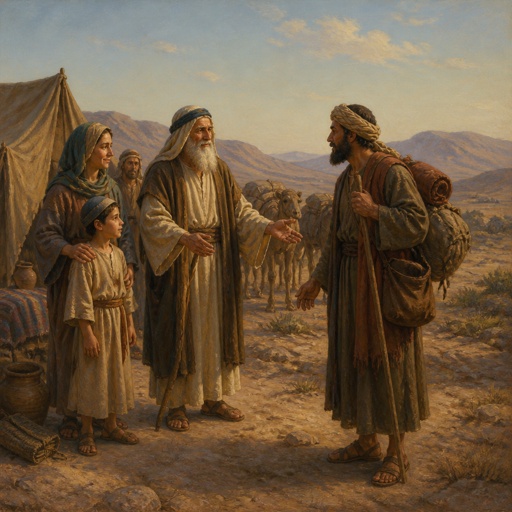
"And it shall be, if thou go with us, yea, it shall be, that what goodness the LORD shall do unto us, the same will we do unto thee." - Numbers 10:32

Numbers 32:30 - "But if they will not pass over with you armed, they shall have possessions among you in the land of Canaan."
"Whosoever therefore shall confess me before men, him will I confess also before my Father which is in heaven." - Matthew 10:32

Numbers 21:32 - "And Moses sent to spy out Jaazer, and they took the villages thereof, and drove out the Amorites that were there."

Numbers 32:41 - "And Jair the son of Manasseh went and took the small towns thereof, and called them Havoth-jair."

Numbers 15:32 - "¶ And while the children of Israel were in the wilderness, they found a man that gathered sticks upon the sabbath day."

Numbers 29:32 - "¶ And on the seventh day seven bullocks, two rams, and fourteen lambs of the first year without blemish:"