What does Numbers 26:33 mean?
"¶ And Zelophehad the son of Hepher had no sons, but daughters: and the names of the daughters of Zelophehad were Mahlah, and Noah, Hoglah, Milcah, and Tirzah." - Numbers 26:33
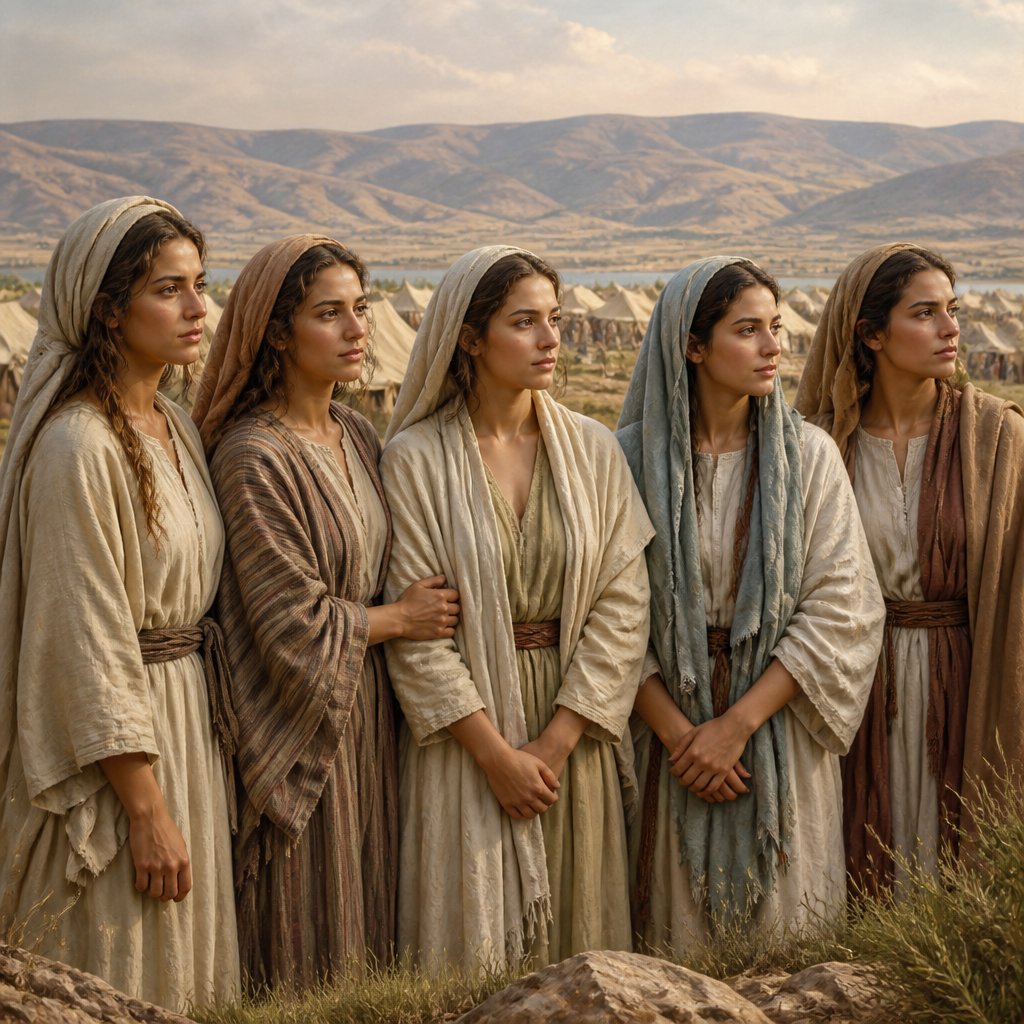
The verse Numbers 26:33 from the King James Version (KJV) of the Bible reads, "And Zelophehad the son of Hepher had no sons, but daughters: and the names of the daughters of Zelophehad were Mahlah, and Noah, Hoglah, Milcah, and Tirzah." This verse is part of the genealogy of the Israelites, recording the descendants of the tribes of Israel.
The context of this verse is important in understanding its significance. At this point in the Bible, the Israelites have been wandering in the wilderness for 40 years as a result of their disobedience to God. The older generation has died off, and a new census is being taken to count the number of men who are able to go to war. This is a time of transition for the Israelites as they prepare to enter the Promised Land.
In the midst of this census, the story of Zelophehad and his daughters stands out as a unique and significant moment. Zelophehad had no sons, only daughters, and their names are recorded in this verse. In the ancient Near East, inheritance was typically passed down through male descendants, so the fact that Zelophehad's daughters are mentioned here is noteworthy.
The inclusion of Zelophehad's daughters in the genealogy signals a departure from the traditional customs of inheritance and serves as a reminder of God's fairness and justice. This is a theme that is echoed throughout the Bible, particularly in the way that God cares for the marginalized and oppressed.
The names of Zelophehad's daughters – Mahlah, Noah, Hoglah, Milcah, and Tirzah – also hold symbolic significance. In Hebrew culture, names often carried meaning and conveyed a message about a person's character or destiny. Mahlah means "sickness," Noah means "rest," Hoglah means "partridge," Milcah means "queen," and Tirzah means "pleasing." These names can be seen as reflections of the character and destiny of Zelophehad's daughters, and they also serve as a reminder of God's faithfulness in providing for them despite the cultural norms and expectations of the time.
The story of Zelophehad and his daughters challenges traditional gender roles and serves as a powerful example of God's inclusive and equitable nature. Throughout the Bible, we see God elevating and empowering women, and this verse is a clear demonstration of that. It is a reminder that God's kingdom does not operate according to the standards of the world, but rather according to principles of fairness, justice, and love.
In addition to its significance in terms of gender and inheritance, this verse also highlights the importance of individual identity within the context of community. Each of Zelophehad's daughters is named and recognized, emphasizing their value and worth as individuals. This serves as a reminder that in God's eyes, each person is valuable and has a unique role to play within the community of faith.
Overall, Numbers 26:33 from the King James Version (KJV) of the Bible is a powerful and poignant verse that challenges traditional norms and expectations while highlighting God's fairness and justice. It serves as a reminder of the importance of individual identity within the community of faith and reflects God's inclusive and equitable nature. The names of Zelophehad's daughters also hold symbolic significance, reflecting their character and destiny while serving as a reminder of God's faithfulness. This verse is a testament to the timeless relevance and power of the Bible to speak to issues of justice, equality, and individual worth.
Have questions about Numbers 26:33?
Dive deeper into this scripture with Bible Chat — an AI-powered tool for exploring God's Word through conversation. Ask questions, get context, and grow in your understanding of the Bible.
Get Our Apps


Numbers 26:33 Artwork

Numbers 26:33 - "¶ And Zelophehad the son of Hepher had no sons, but daughters: and the names of the daughters of Zelophehad were Mahlah, and Noah, Hoglah, Milcah, and Tirzah."

"¶ And Zelophehad the son of Hepher had no sons, but daughters: and the names of the daughters of Zelophehad were Mahlah, and Noah, Hoglah, Milcah, and Tirzah." - Numbers 26:33

Numbers 33:26 - "And they removed from Makheloth, and encamped at Tahath."

"And they removed from Makheloth, and encamped at Tahath." - Numbers 33:26

Numbers 33:33 - "And they went from Hor-hagidgad, and pitched in Jotbathah."

Numbers 32:33

Exodus 26:31-33

"And they went from Hor-hagidgad, and pitched in Jotbathah." - Numbers 33:33

Numbers 31:33 - "And threescore and twelve thousand beeves,"

Numbers 33:18 - "And they departed from Hazeroth, and pitched in Rithmah."

Numbers 33:43 - "And they departed from Punon, and pitched in Oboth."

Numbers 33:42 - "And they departed from Zalmonah, and pitched in Punon."

Numbers 33:34 - "And they removed from Jotbathah, and encamped at Ebronah."

Numbers 33:21 - "And they removed from Libnah, and pitched at Rissah."

Numbers 33:13 - "And they departed from Dophkah, and encamped in Alush."

Numbers 33:27 - "And they departed from Tahath, and pitched at Tarah."

Numbers 33:22 - "And they journeyed from Rissah, and pitched in Kehelathah."

Numbers 33:28 - "And they removed from Tarah, and pitched in Mithcah."

1 Corinthians 14:26-33

Numbers 33:29 - "And they went from Mithcah, and pitched in Hashmonah."

Numbers 33:25 - "And they removed from Haradah, and pitched in Makheloth."

Numbers 33:30 - "And they departed from Hashmonah, and encamped at Moseroth."

Numbers 33:24 - "And they removed from mount Shapher, and encamped in Haradah."

Numbers 33:41 - "And they departed from mount Hor, and pitched in Zalmonah."

Numbers 33:17 - "And they departed from Kibroth-hattaavah, and encamped at Hazeroth."

Numbers 33:31 - "And they departed from Moseroth, and pitched in Bene-jaakan."

Numbers 33:19 - "And they departed from Rithmah, and pitched at Rimmon-parez."

Numbers 33:35 - "And they departed from Ebronah, and encamped at Ezion-gaber."
Numbers 33:23 - "And they went from Kehelathah, and pitched in mount Shapher."

Numbers 33:15 - "And they departed from Rephidim, and pitched in the wilderness of Sinai."