What does Numbers 1:31 mean?
"Those that were numbered of them, even of the tribe of Zebulun, were fifty and seven thousand and four hundred." - Numbers 1:31
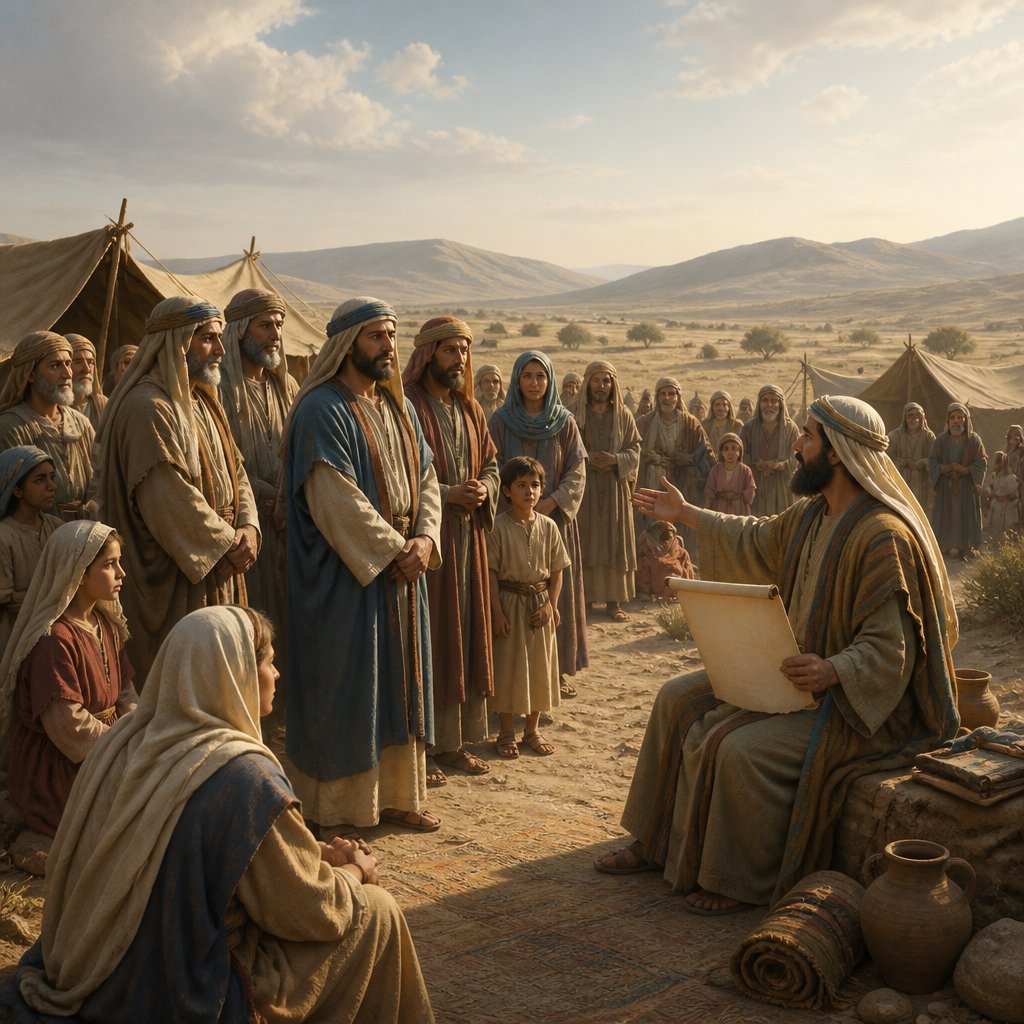
Bible Verse Numbers 1:31 (KJV) states: "And of the half tribe of Manasseh, Hanniel the son of Ephod."
This verse comes from the book of Numbers in the Old Testament, specifically from the first chapter which details the census of the Israelites as they were preparing to enter the Promised Land. The verse is part of a list of names of leaders or representatives from each tribe who were appointed to assist Moses and Aaron in taking the census.
In the context of the broader passage, the verse serves as a record of the descendants of Manasseh who were counted as part of the tribe. Hanniel, the son of Ephod, is specifically named as a representative of the half tribe of Manasseh. This is significant because it demonstrates God's attention to detail and his care for each individual within the community. Even in the midst of a large-scale census, God knows each person by name and designates their role within the community.
One of the themes that can be drawn from this verse is the importance of individuals within the community. The census was not simply about counting heads, but about recognizing the unique contributions and roles of each person within the tribe. This speaks to the value of every individual and their place within the broader community. It also emphasizes the idea of God's intimate knowledge and care for each person, even in the midst of larger collective actions.
Another theme that can be gleaned from this verse is the idea of leadership and representation. Hanniel is named as a representative of the half tribe of Manasseh, indicating that he held a position of authority and responsibility within the community. This underscores the importance of leadership and the role of individuals in guiding and serving their fellow community members. It also highlights the idea that God appoints and empowers individuals to fulfill specific roles within the community, working through them to accomplish his purposes.
Symbolically, the naming of Hanniel as the son of Ephod can be seen as significant. In biblical times, names often carried deep meaning and symbolism. The name Hanniel means "grace of God" or "God is gracious," while Ephod can refer to a priestly garment or a symbol of divine communication. This symbolic naming could indicate that Hanniel was seen as a recipient of God's grace and favor, and that he held a position of spiritual significance within the tribe. It could also suggest that he was seen as a conduit for divine communication, tasked with relaying God's will to the people.
Overall, Numbers 1:31 (KJV) is a seemingly straightforward verse that, on closer examination, reveals deeper themes of individual significance, leadership, and divine favor. It serves as a reminder of God's intimate knowledge and care for each person within the community, and the specific roles that individuals are called to fulfill. It also highlights the symbolic and spiritual significance of names and positions within the biblical context.
Have questions about Numbers 1:31?
Dive deeper into this scripture with Bible Chat — an AI-powered tool for exploring God's Word through conversation. Ask questions, get context, and grow in your understanding of the Bible.
Get Our Apps


Numbers 1:31 Artwork

Numbers 1:31 - "Those that were numbered of them, even of the tribe of Zebulun, were fifty and seven thousand and four hundred."
"Those that were numbered of them, even of the tribe of Zebulun, were fifty and seven thousand and four hundred." - Numbers 1:31

Numbers 31:1 - "And the LORD spake unto Moses, saying,"
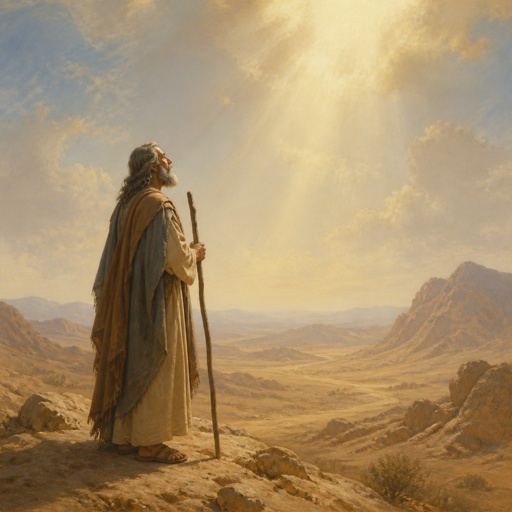
"And the LORD spake unto Moses, saying," - Numbers 31:1

Numbers 31:31 - "And Moses and Eleazar the priest did as the LORD commanded Moses."

Numbers 31 graphics

Numbers 31:46 - "And sixteen thousand persons;)"

numbers 31:14-15

Numbers 31:33 - "And threescore and twelve thousand beeves,"
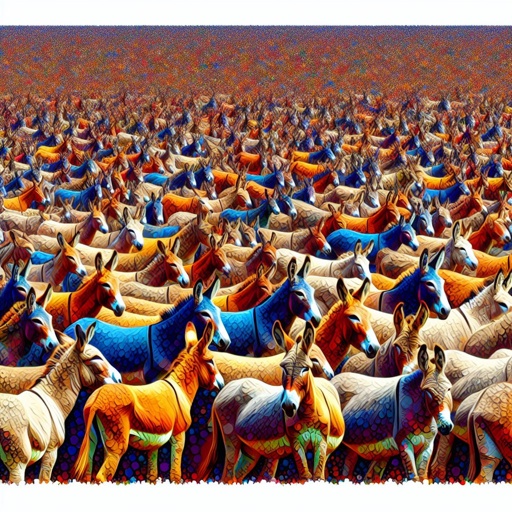
Numbers 31:34 - "And threescore and one thousand asses,"

Numbers 31:44 - "And thirty and six thousand beeves,"

Numbers 31:25 - "¶ And the LORD spake unto Moses, saying,"

Numbers 31:45 - "And thirty thousand asses and five hundred,"

Numbers 21:31 - "¶ Thus Israel dwelt in the land of the Amorites."

"And Moses and Eleazar the priest did as the LORD commanded Moses." - Numbers 31:31

Numbers 26:31 - "And of Asriel, the family of the Asrielites: and of Shechem, the family of the Shechemites:"

Numbers 33:31 - "And they departed from Moseroth, and pitched in Bene-jaakan."

Numbers 31:22 - "Only the gold, and the silver, the brass, the iron, the tin, and the lead,"

Numbers 31:37 - "And the LORD'S tribute of the sheep was six hundred and threescore and fifteen."

"And sixteen thousand persons;)" - Numbers 31:46

Numbers 31:53 - "(For the men of war had taken spoil, every man for himself.)"

Numbers 31:11 - "And they took all the spoil, and all the prey, both of men and of beasts."

Numbers 31:10 - "And they burnt all their cities wherein they dwelt, and all their goodly castles, with fire."

Numbers 31:29 - "Take it of their half, and give it unto Eleazar the priest, for an heave offering of the LORD."

Numbers 31:7 - "And they warred against the Midianites, as the LORD commanded Moses; and they slew all the males."

Numbers 31:42 - "And of the children of Israel's half, which Moses divided from the men that warred,"

"And threescore and twelve thousand beeves," - Numbers 31:33

"And threescore and one thousand asses," - Numbers 31:34

Numbers 31:51 - "And Moses and Eleazar the priest took the gold of them, even all wrought jewels."

Numbers 5:31 - "Then shall the man be guiltless from iniquity, and this woman shall bear her iniquity."